Symptoms of a Bad Torque Converter: What 777 Reports Show
Counted from 777 federal complaints: two tells stand out — a shudder at a steady cruise (37.8% vs 24.8%, the lock-up clutch) and stalling as you come to a stop (25.9% vs 13.2%). The shudder at cruise, not during a shift, is what points at the converter.
The short version
- Counted, not remembered: from a power-train complaint pull we took the 777 NHTSA reports that name the torque converter, measured against 25,056 other power-train complaints from the same cars.
- A torque converter has two tells, and they are the top two symptoms: a shudder at cruising speed (37.8% against 24.8%) and stalling as the car comes to a stop (25.9% against 13.2%, twice the control).
- The shudder is the lock-up clutch juddering; the stall is a converter that will not unlock dragging the engine down to a halt. Both are specific to the converter in a way a warning light is not.
- What it usually is not: a crash appears in only 0.4% of these reports. A failing converter shudders and stalls; it does not typically cause a loss of control.
- The converter and the transmission share a housing and their symptoms overlap, so a shudder at a steady cruise is the sign worth checking as the converter before assuming a full transmission rebuild.
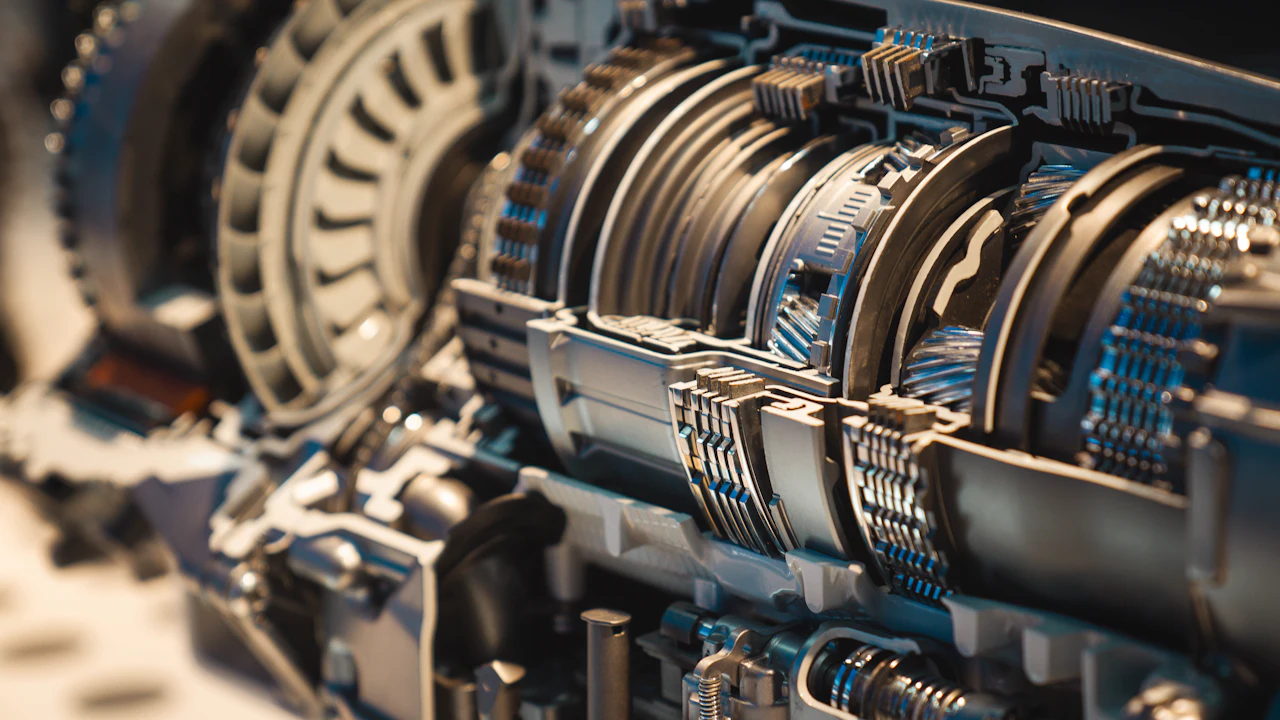
A torque converter is the fluid coupling that sits between the engine and an automatic transmission, multiplying torque from a stop and then locking up at speed so the engine and transmission turn together. When it fails it produces symptoms drivers often mistake for the whole transmission — but the file shows they are distinct. We pulled the federal complaint data, took the 777 reports that name the torque converter against 25,056 other power-train complaints, and two symptoms rise clearly above the rest.
The shudder at cruising speed
The signature symptom is a shudder or judder felt at a steady cruise — 37.8% of torque-converter reports against 24.8% of the control. It is the lock-up clutch, the part that clamps the converter solid at speed, slipping and grabbing as it engages. Drivers describe it as driving over rumble strips, or a vibration that comes on around 40 to 60 mph under light throttle and disappears when they accelerate or lift off. That specific feel — a shudder at a constant speed, not during a shift — is the clue that points at the converter’s lock-up clutch rather than the gears.
Stalling as you come to a stop
The second tell is unusual and specific: the engine stalls as the car slows to a stop, in 25.9% of these reports against 13.2% of the control — twice as often. A healthy converter unlocks and lets the engine idle independently as the wheels stop; one whose lock-up clutch sticks stays coupled to the drivetrain and gets dragged down to a stall, the way a manual car stalls if you brake without the clutch in. If your automatic dies as you roll up to a light and restarts fine, the converter is a prime suspect — more so than the fuel or ignition faults a stall usually suggests.
What it usually is not
A crash is rare here, 0.4% of reports, and outright loss of drive is actually below the control (4.5% against 9.6%) — a converter tends to shudder and stall long before it strands you, which is the opposite of the abrupt failures on the more alarming symptom lists. A whine, grind or rattle (9.9% against 6.7%) is the third real sign, often a failing converter clutch or a damaged stator. Overheating, despite being a textbook converter problem, is rarely named by owners (1.5%) because they feel the shudder and the stall long before a gauge climbs.
Converter or transmission?
The two share a housing and a fluid supply, so their symptoms blur — which is exactly why the specific feel matters. A shudder at a steady cruise points at the converter’s lock-up clutch; a jerk or slip during a shift points at the transmission itself. A stall at a stop is far more converter than gearbox. The distinction is worth making because a converter is often a smaller repair than a full rebuild, and a shop that replaces the whole transmission for a lock-up shudder may be doing more than the fault requires. Get a diagnosis that names the converter specifically.
What to do when you suspect it
Treat a cruise-speed shudder or a stall-on-stopping as a reason to have the transmission fluid and the converter scanned promptly. The first step is cheap: worn or contaminated fluid causes lock-up shudder, and a fluid service sometimes clears it before the clutch is damaged for good. If the shudder persists after fresh fluid, or the car stalls coming to a stop, the converter’s lock-up clutch is the likely cause and worth a specific diagnosis before any transmission work is authorised. A transmission repair estimate should say whether it is the converter or the gearbox.
On a used car you are about to buy
The converter’s symptoms are easy to feel on a proper test drive and easy to miss on a short one. Drive the car up to 40–60 mph under light, steady throttle and feel for a shudder or a vibration that is not there under harder acceleration. Come to several complete stops and watch for the engine dipping or stalling. Have a mechanic scan for stored codes and check the fluid condition. Checking the model and year in the complaint lookup is worth it, since converter and transmission complaints cluster on particular designs.
Common questions
What are the symptoms of a bad torque converter?
Two stand out in the file: a shudder or judder at a steady cruising speed (37.8% of reports against 24.8% of other power-train complaints), which is the lock-up clutch slipping, and stalling as the car comes to a stop (25.9% against 13.2%), which is a converter that will not unlock dragging the engine down. A whine or rattle is a third sign. An outright crash is very rare (0.4%).
Can you drive with a bad torque converter?
You often can for a while — unlike a broken axle, a converter tends to shudder and stall rather than strand you (loss of drive is below the control here) — but you should not ignore it. A slipping lock-up clutch contaminates the transmission fluid with debris and can turn a converter repair into a full rebuild. Have the fluid and the converter checked as soon as the shudder or the stalling starts.
How do I know if it's the torque converter or the transmission?
By when the symptom happens. A shudder at a steady cruise and a stall as you stop point at the converter’s lock-up clutch; a jerk, slip or hard shift during a gear change points at the transmission. They share a housing so a scan and a road test are what separate them — but the distinction matters, because a converter can be a smaller repair than a rebuild.
Why does my car stall when I come to a stop?
In an automatic, a common and specific cause is a torque converter whose lock-up clutch sticks engaged: instead of unlocking to let the engine idle on its own, it stays coupled to the drivetrain and the slowing wheels drag the engine to a stall. It appears in 25.9% of torque-converter reports here against 13.2% of the rest of the power train. If the car restarts and drives normally, the converter is worth checking before the fuel or ignition system.
Sources and further reading
Recall, complaint and safety-rating figures on this page were retrieved from the federal databases above on August 19, 2026. Federal data changes — re-check any VIN before you rely on it.
Published September 10, 2026 · last updated September 10, 2026. Found something out of date or wrong? Tell us and we will correct it.