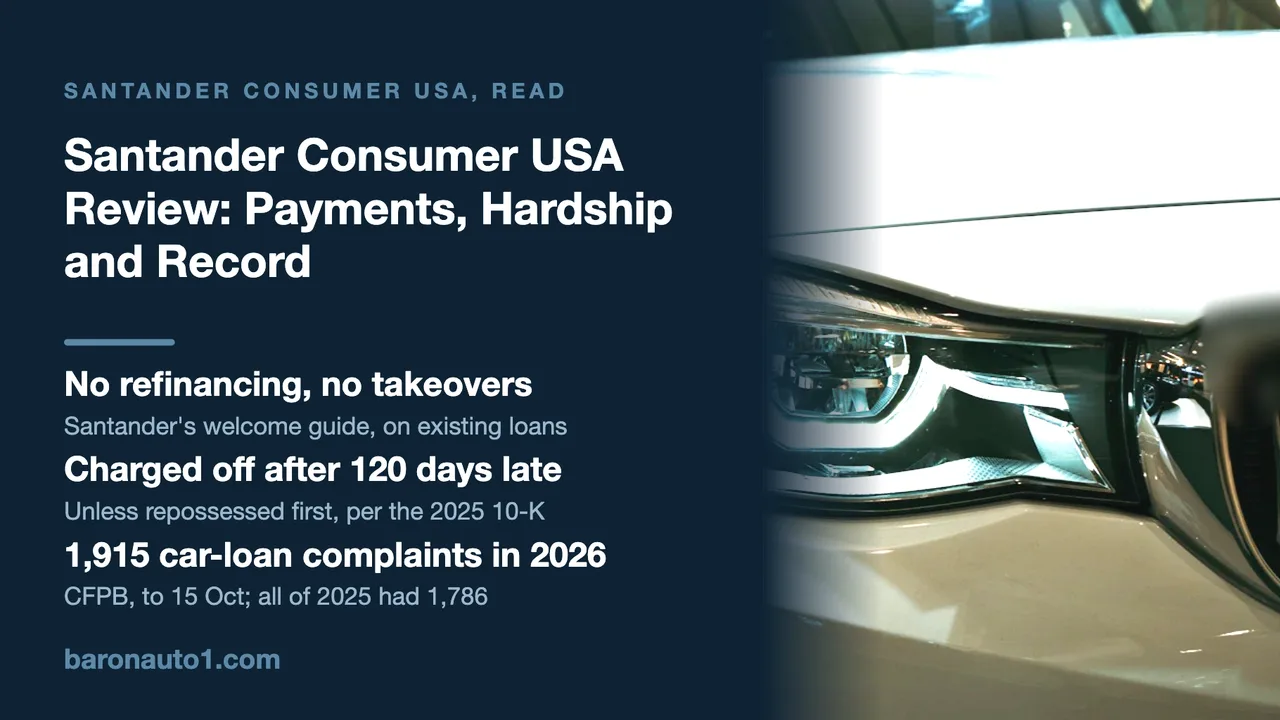
 FinancingSantander Consumer USA Review: Payments, Hardship and Record
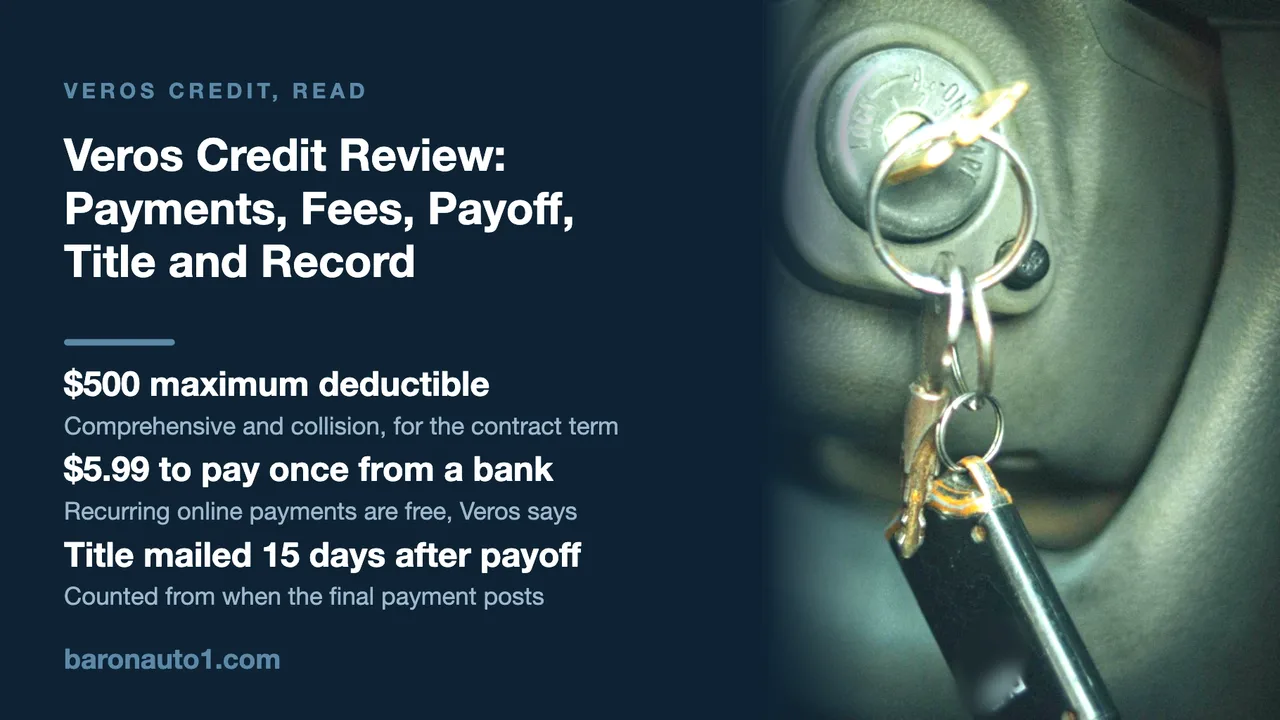 Veros Credit Review: Payments, Fees, Payoff, Title and RecordVeros Credit buys car loan contracts from dealers and collects the payments. What it charges to pay ($5.99 one-time, recurring free), its 4:00 p.m. Pacific cut-off, the $500 deductible rule, titles mailed 15 days after payoff, nine securitizations and 749 CFPB complaints.
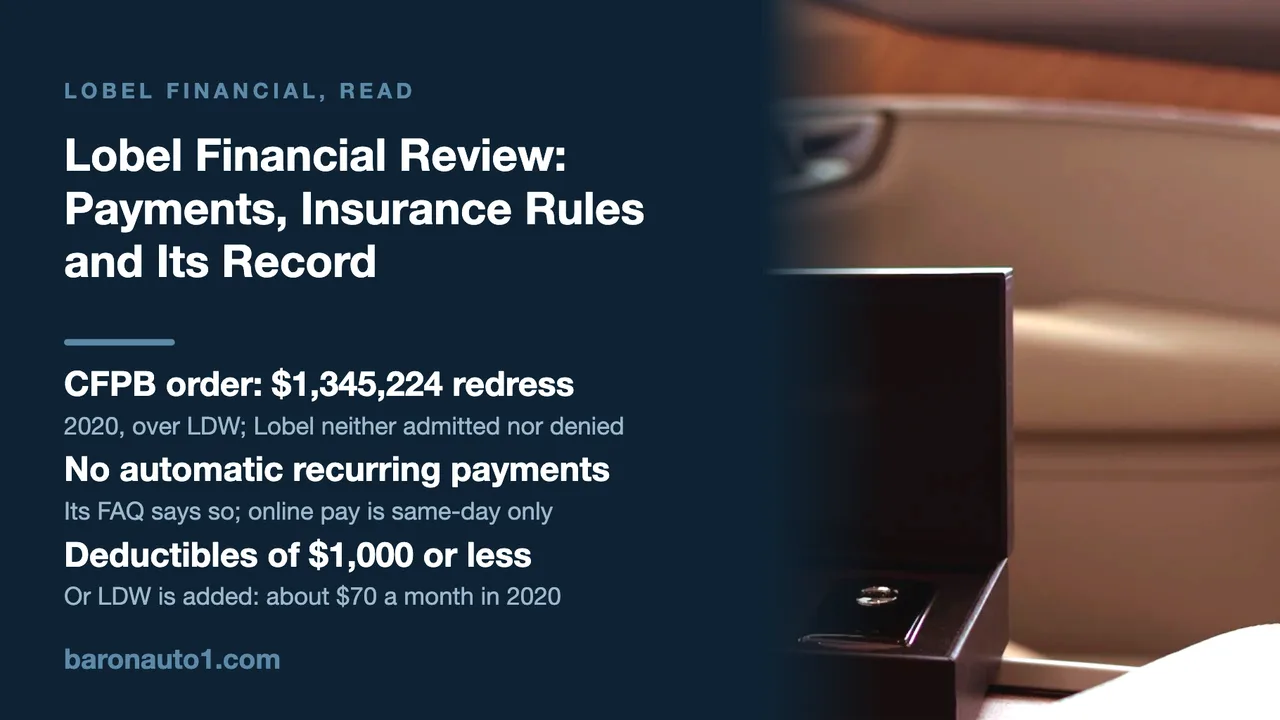 Lobel Financial Review: Payments, Insurance Rules and Its RecordLobel Financial buys dealer car contracts in 19 states. How to pay it, its insurance rule, the Loss Damage Waiver it adds, a 2020 CFPB order and 946 complaints, read from its own pages and public records.
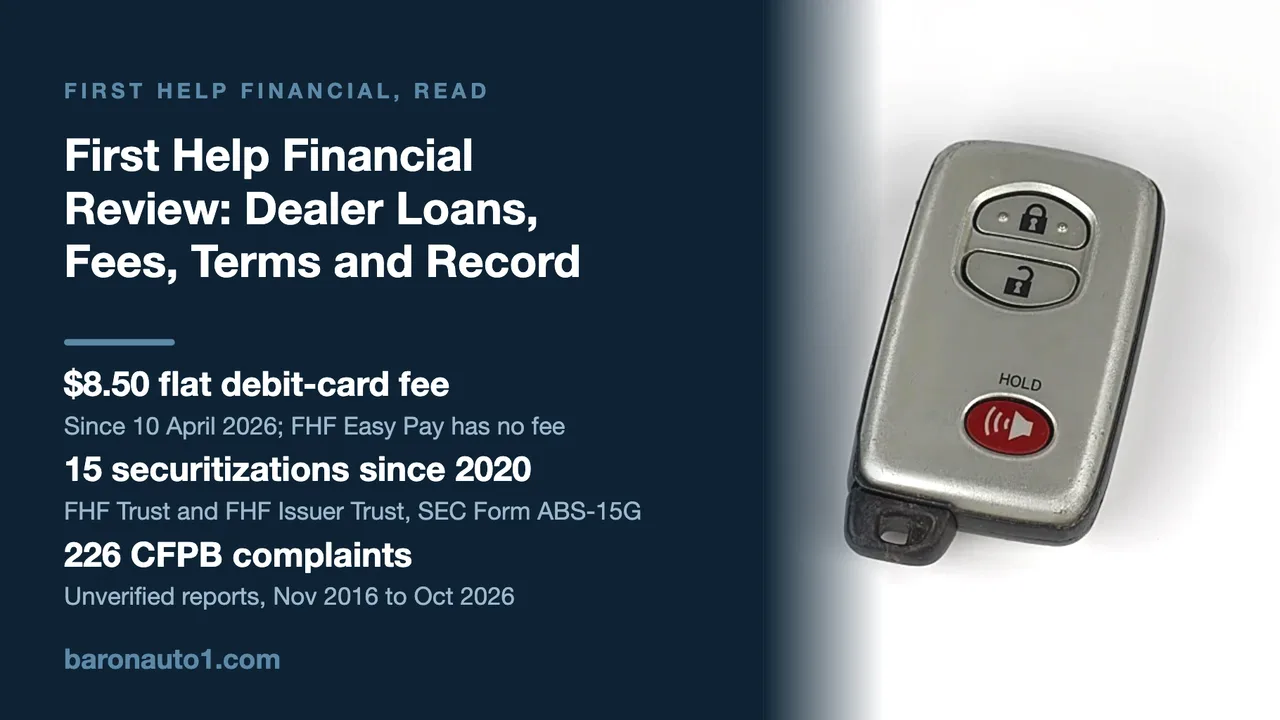 First Help Financial Review: Dealer Loans, Fees, Terms and RecordFirst Help Financial buys retail installment contracts from car dealers and serves borrowers it says banks overlook, counting 3,147 with no FICO score in its 2022-2 pool. It prints no rates; its debit-card fee became a flat $8.50 in April 2026. Its arbitration terms, 15 securitizations and 226 CFPB complaints.
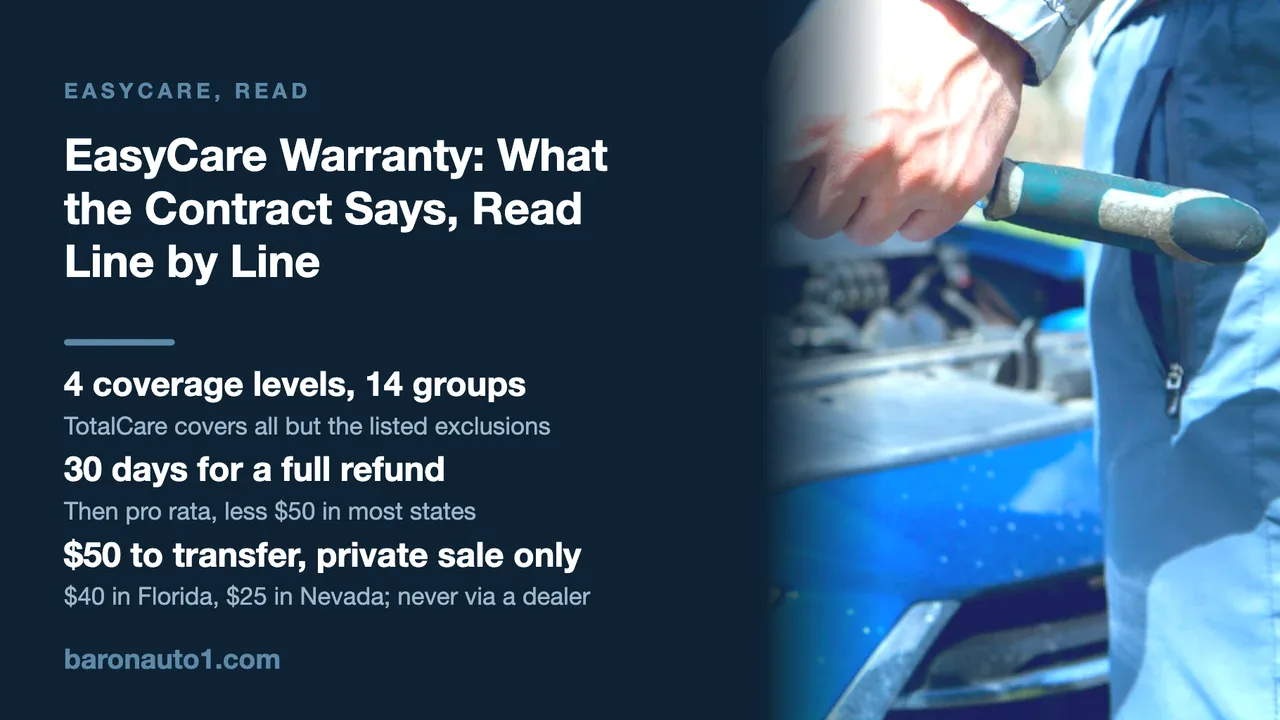 EasyCare Warranty: What the Contract Says, Read Line by Line · 21 min
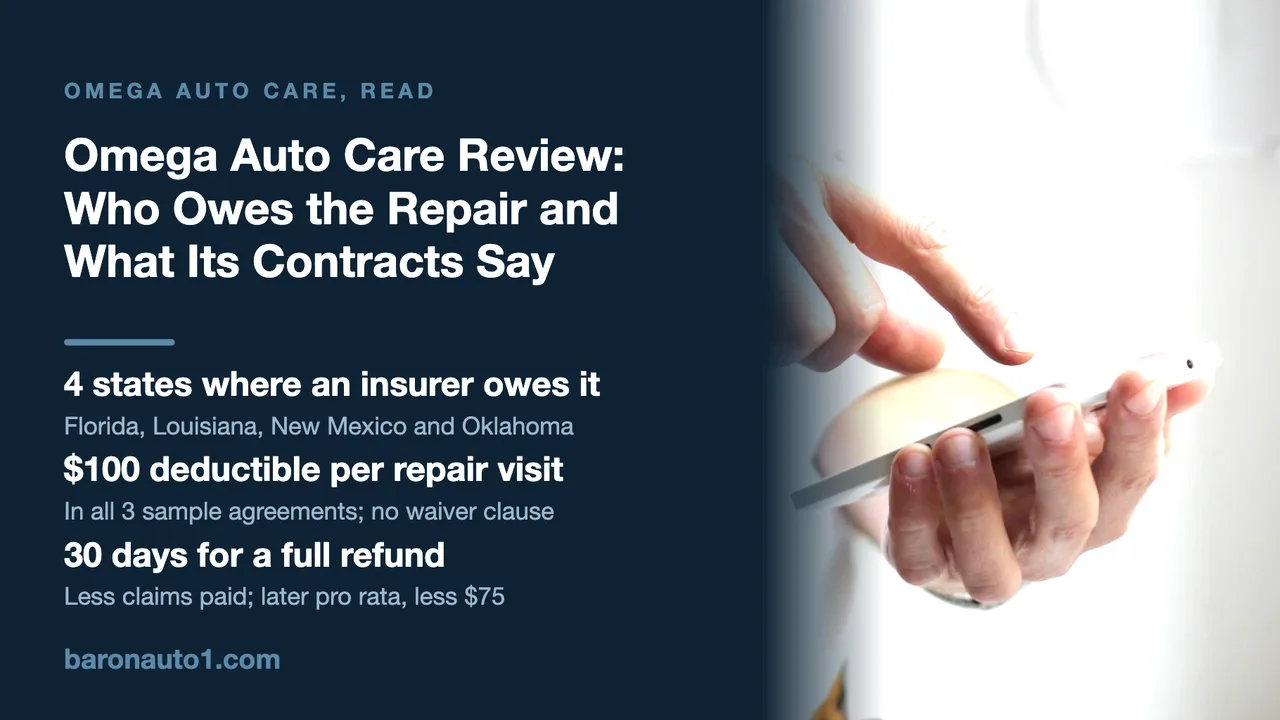 Omega Auto Care Review: Who Owes the Repair and What Its Contracts Say · 21 min
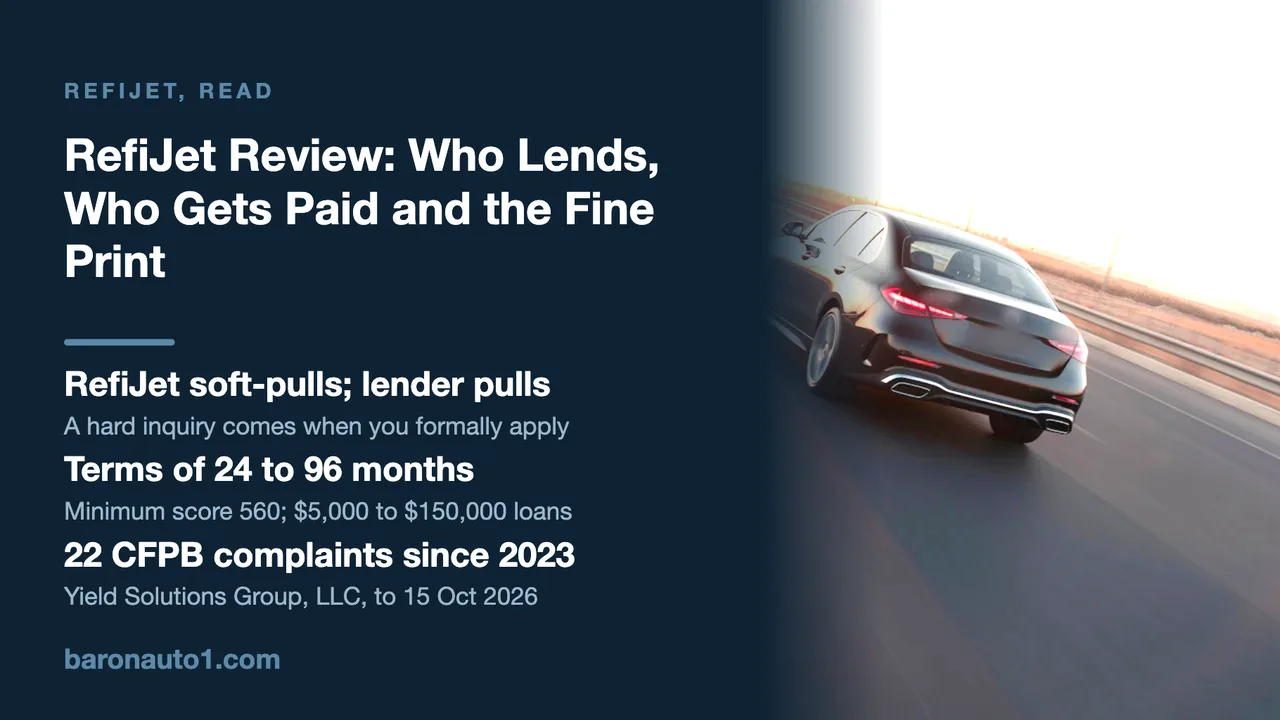 RefiJet Review: Who Lends, Who Gets Paid and the Fine Print · 22 min
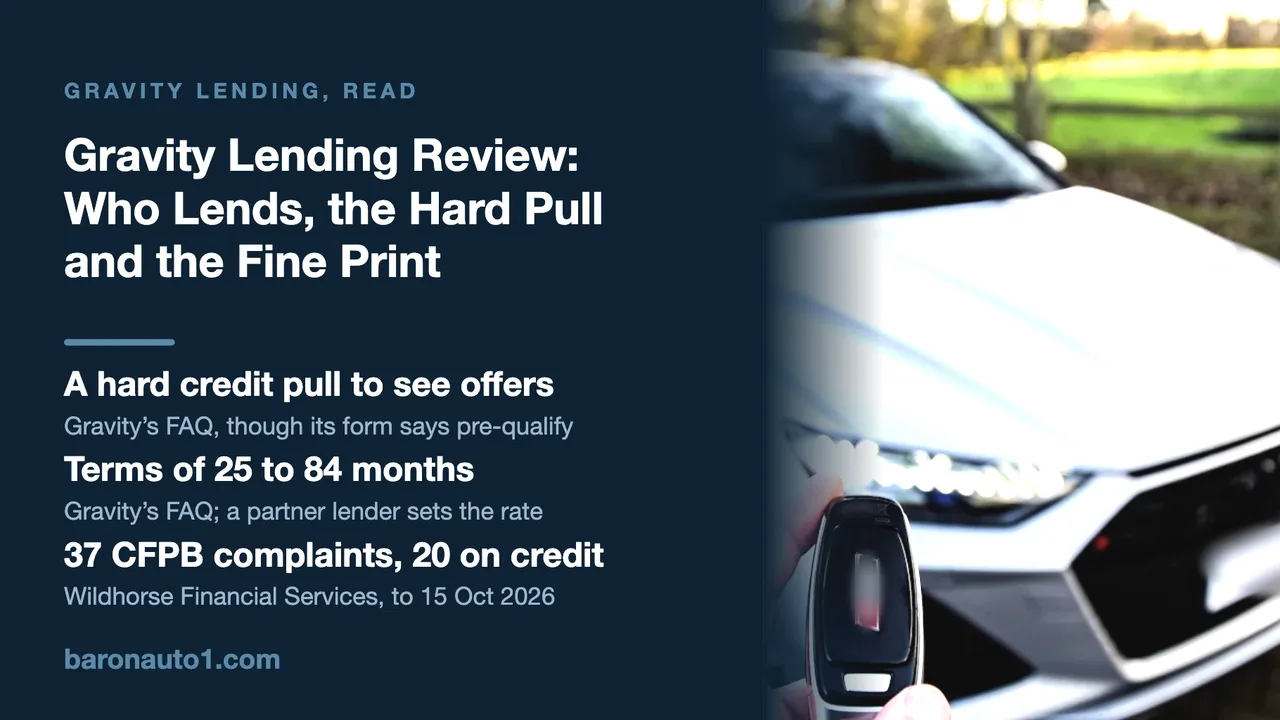 Gravity Lending Review: Who Lends, the Hard Pull and the Fine Print · 21 min
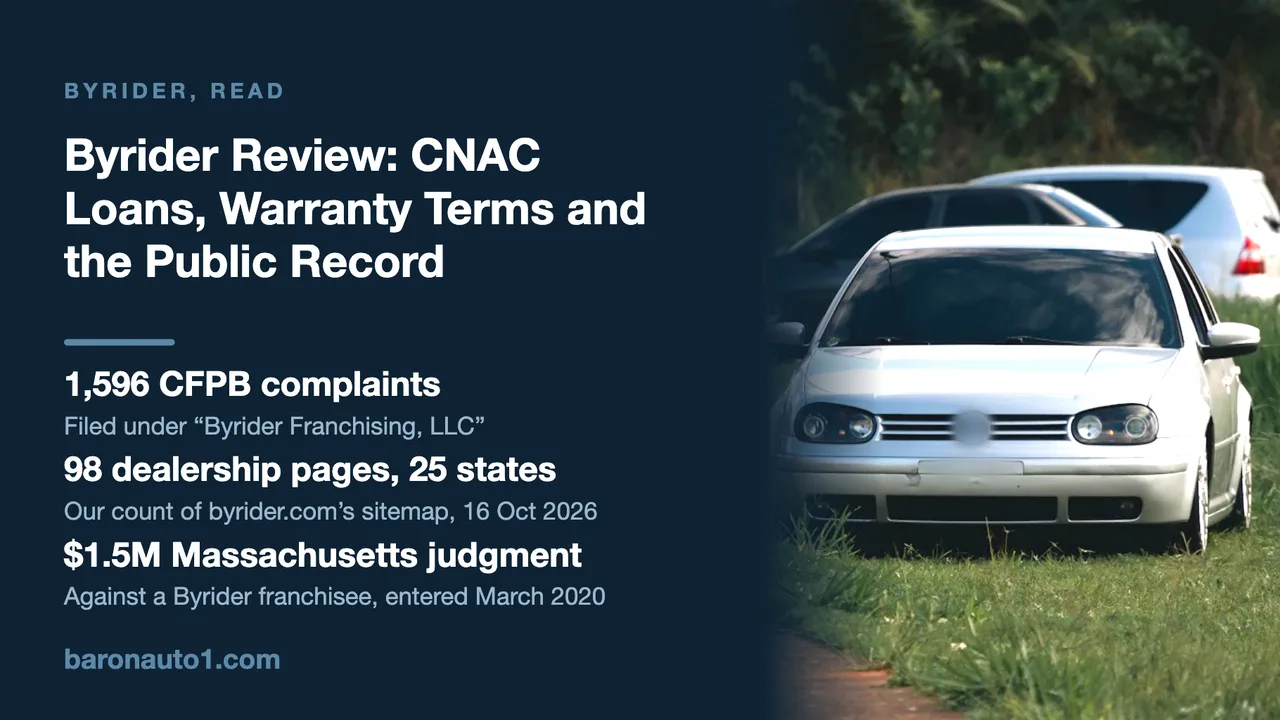 Byrider Review: CNAC Loans, Warranty Terms and the Public Record · 21 min
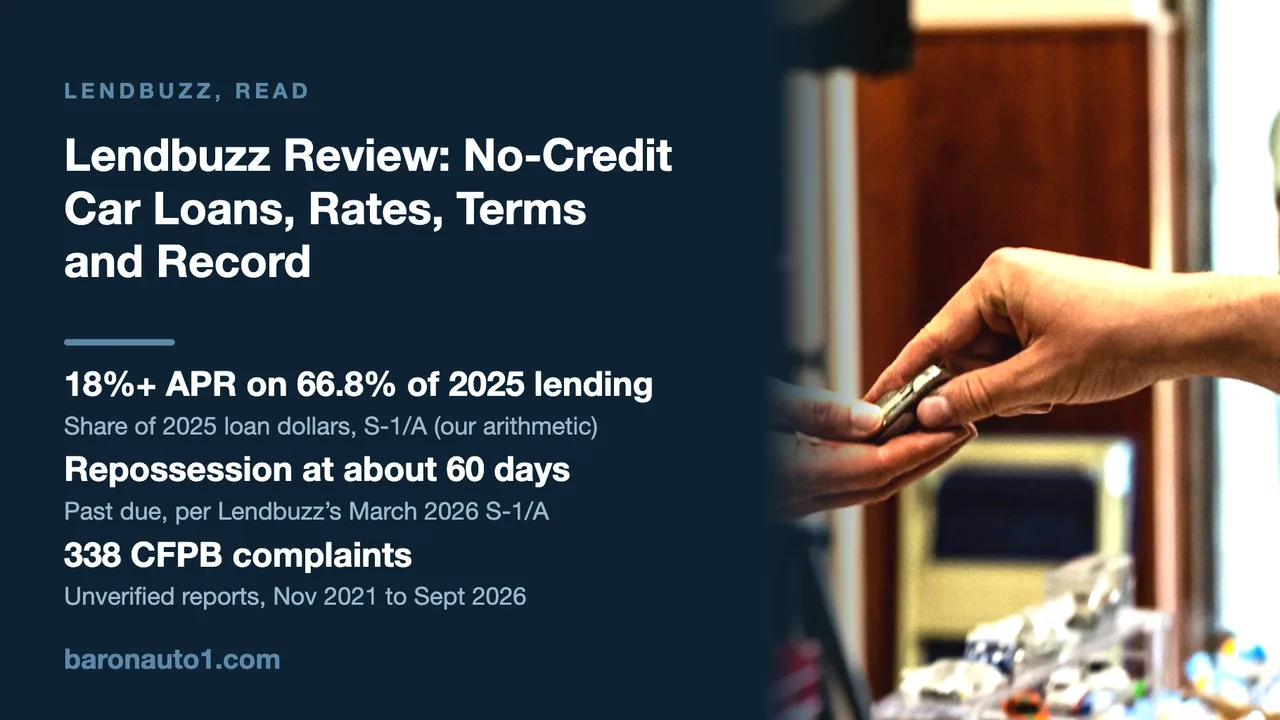 Lendbuzz Review: No-Credit Car Loans, Rates, Terms and Record · 22 min
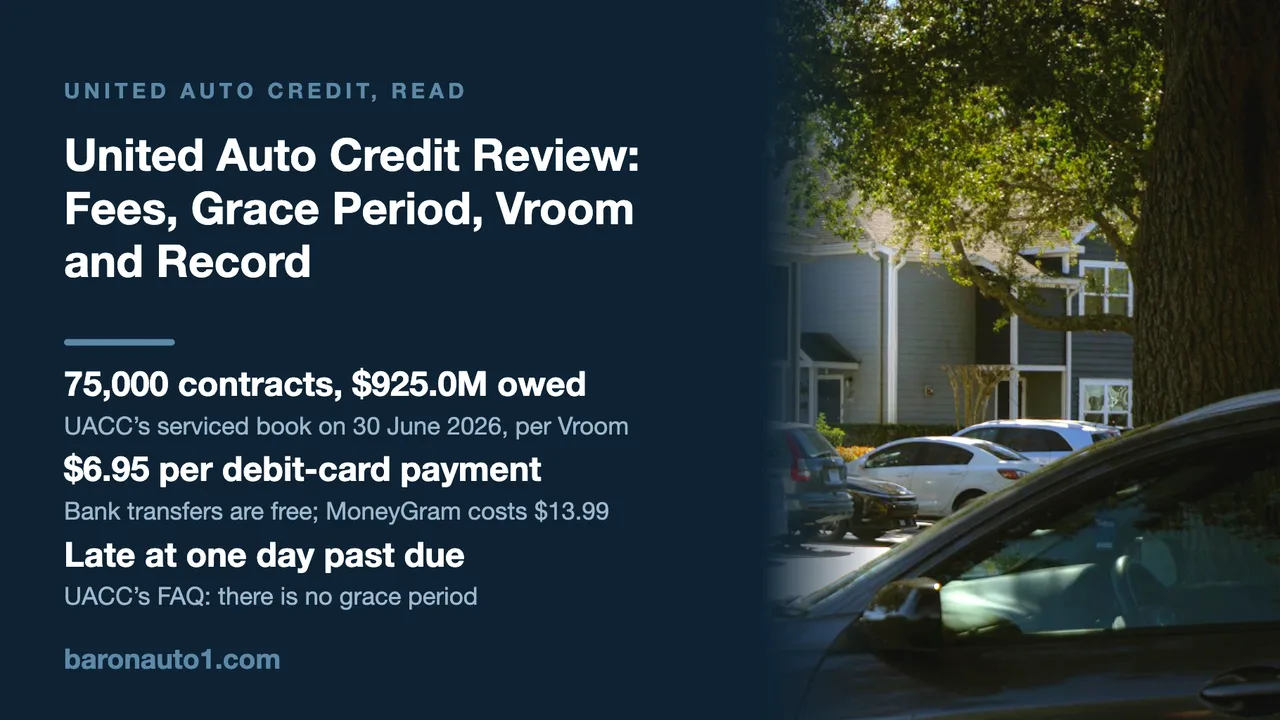 United Auto Credit Review: Fees, Grace Period, Vroom and Record · 22 min
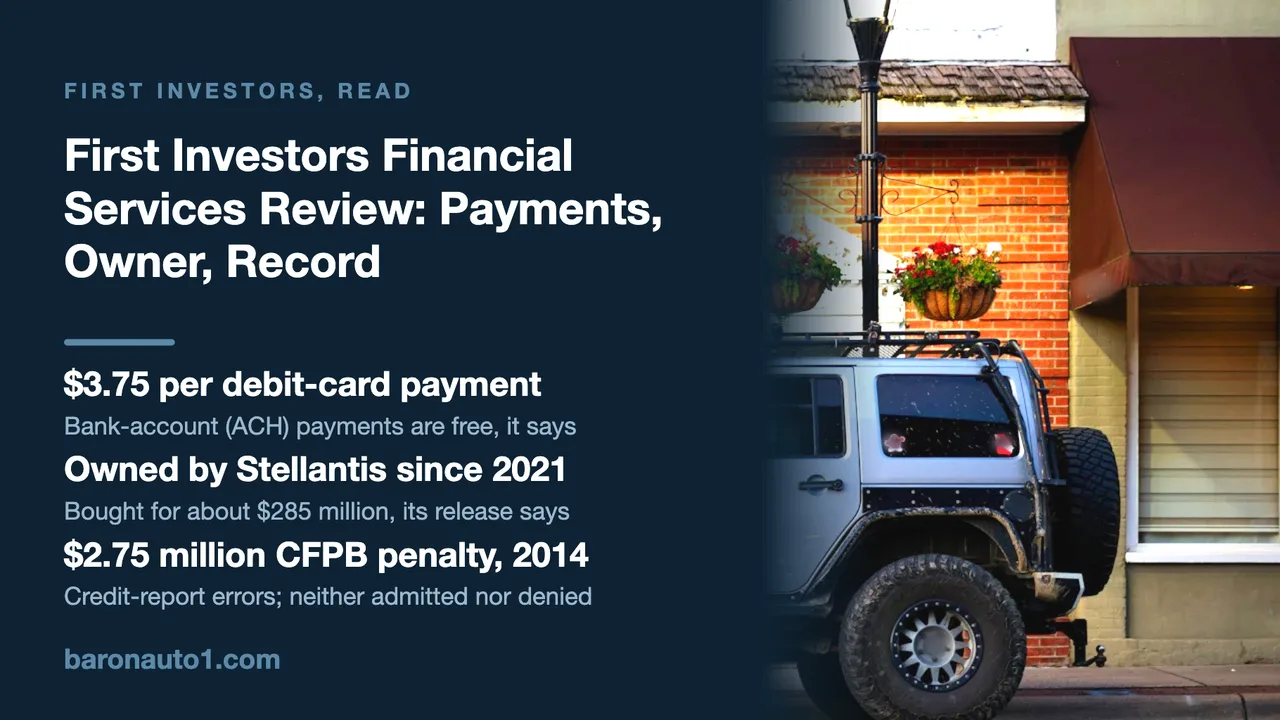 First Investors Financial Services Review: Payments, Owner, Record · 22 min
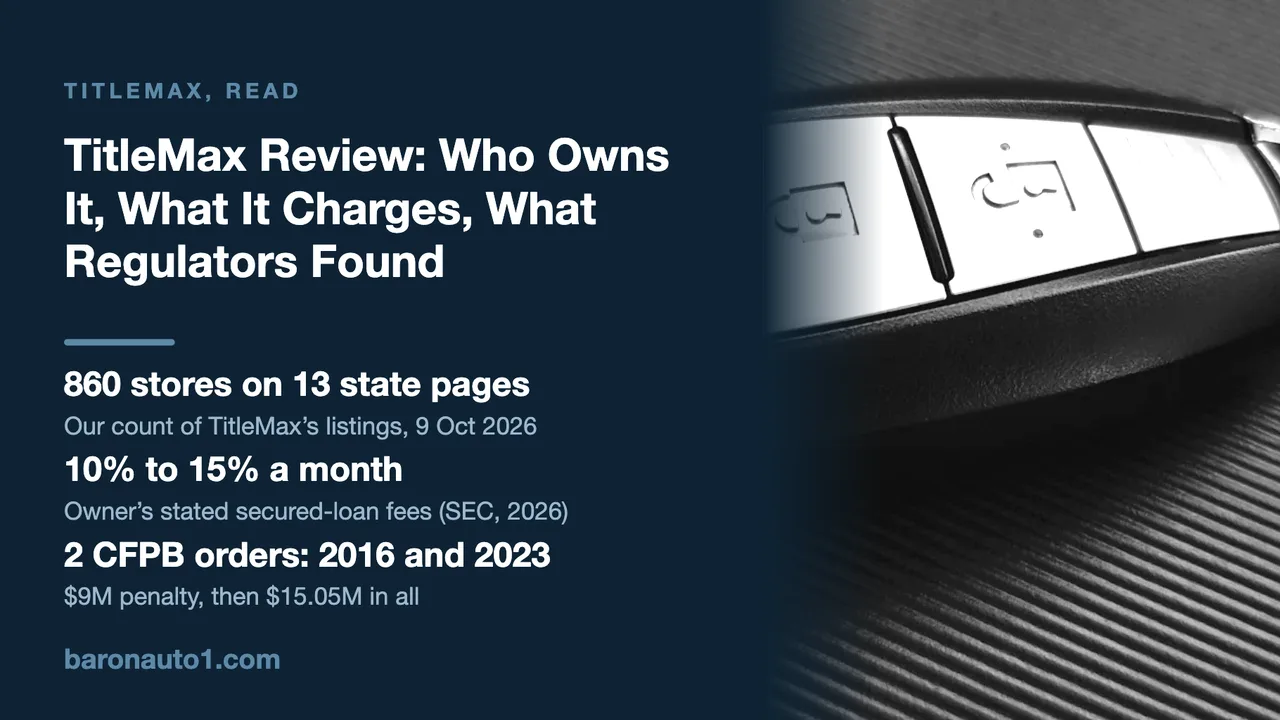 TitleMax Review: Who Owns It, What It Charges, What Regulators Found · 22 min
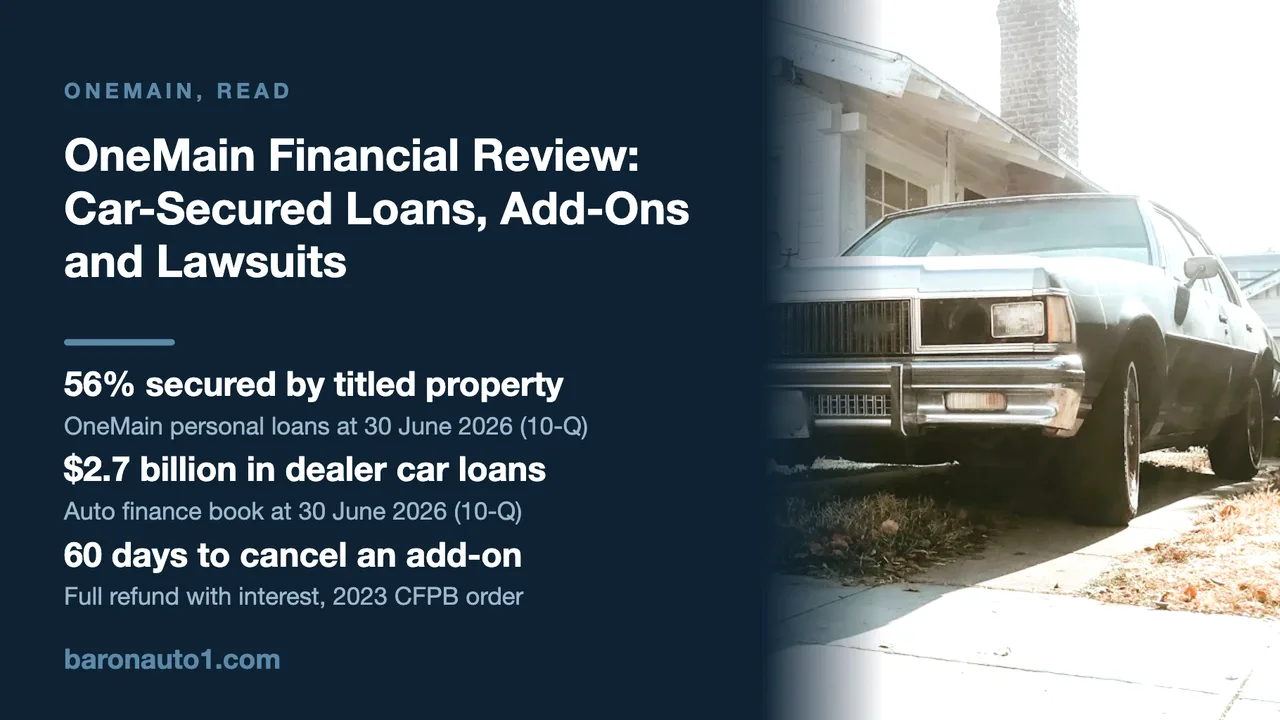 OneMain Financial Review: Car-Secured Loans, Add-Ons and Lawsuits · 21 min
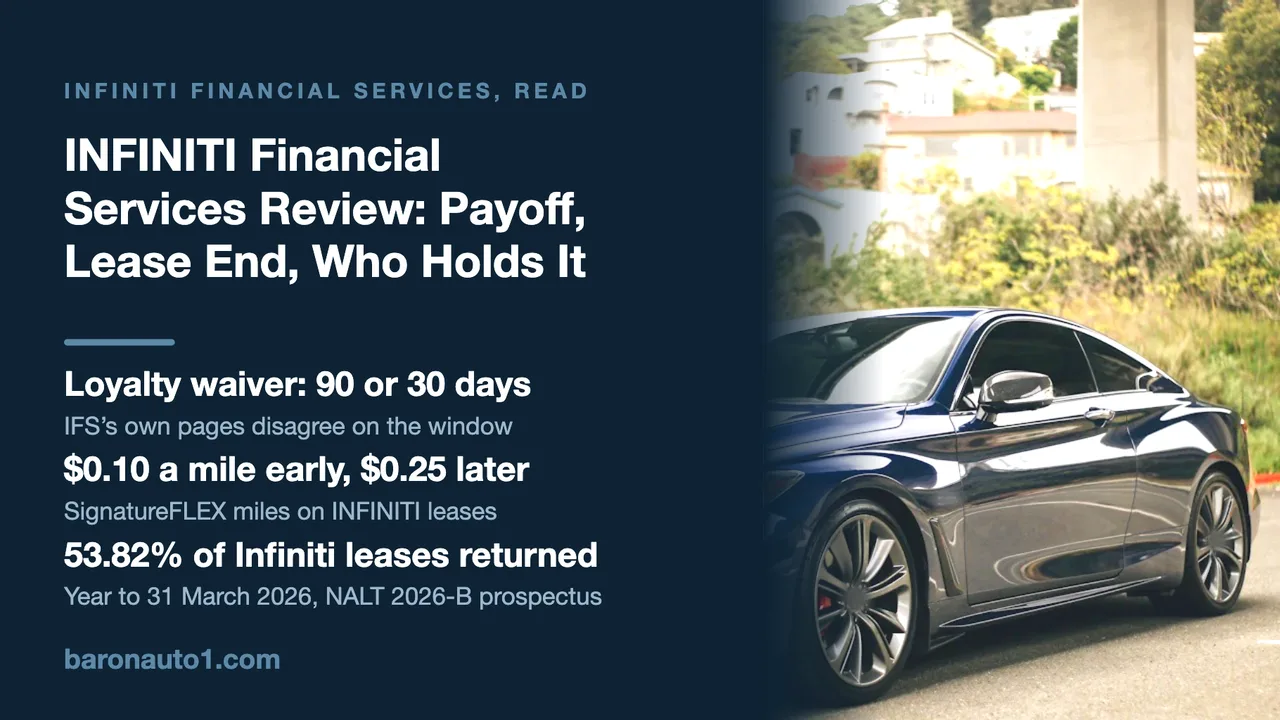 INFINITI Financial Services Review: Payoff, Lease End, Who Holds It · 22 min
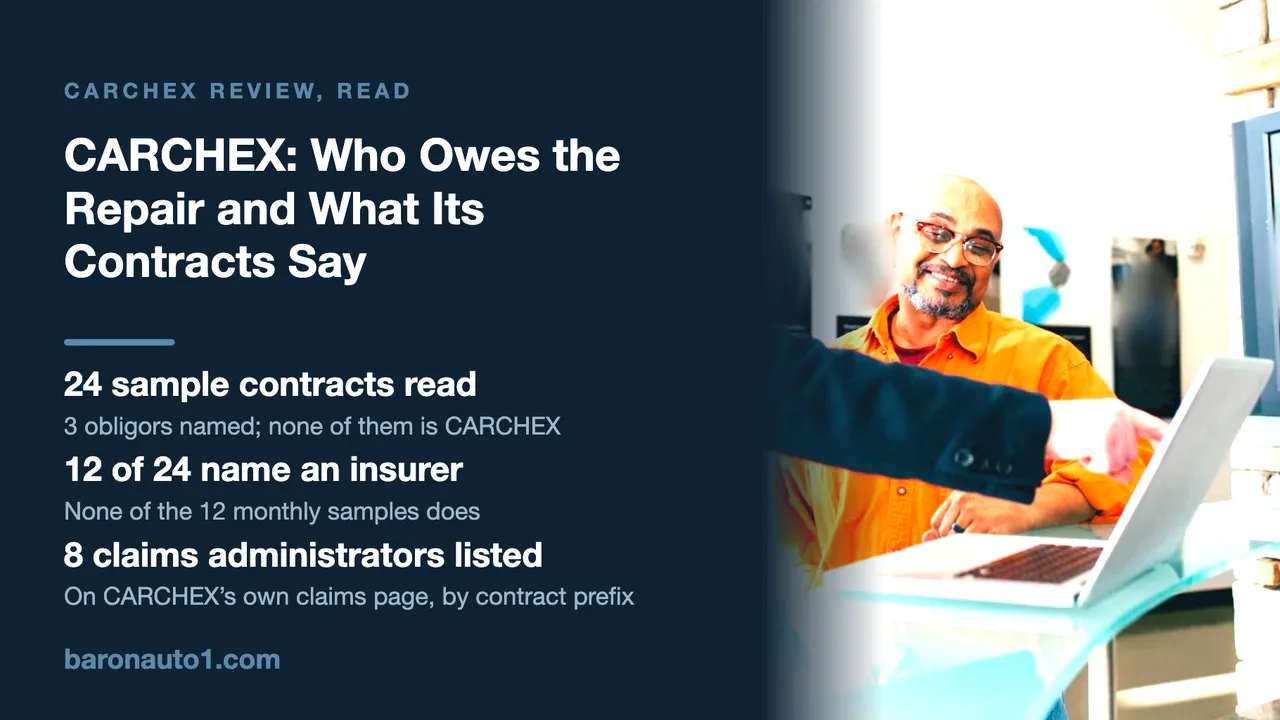 CARCHEX Review: Who Owes the Repair and What Its Contracts Say · 22 min
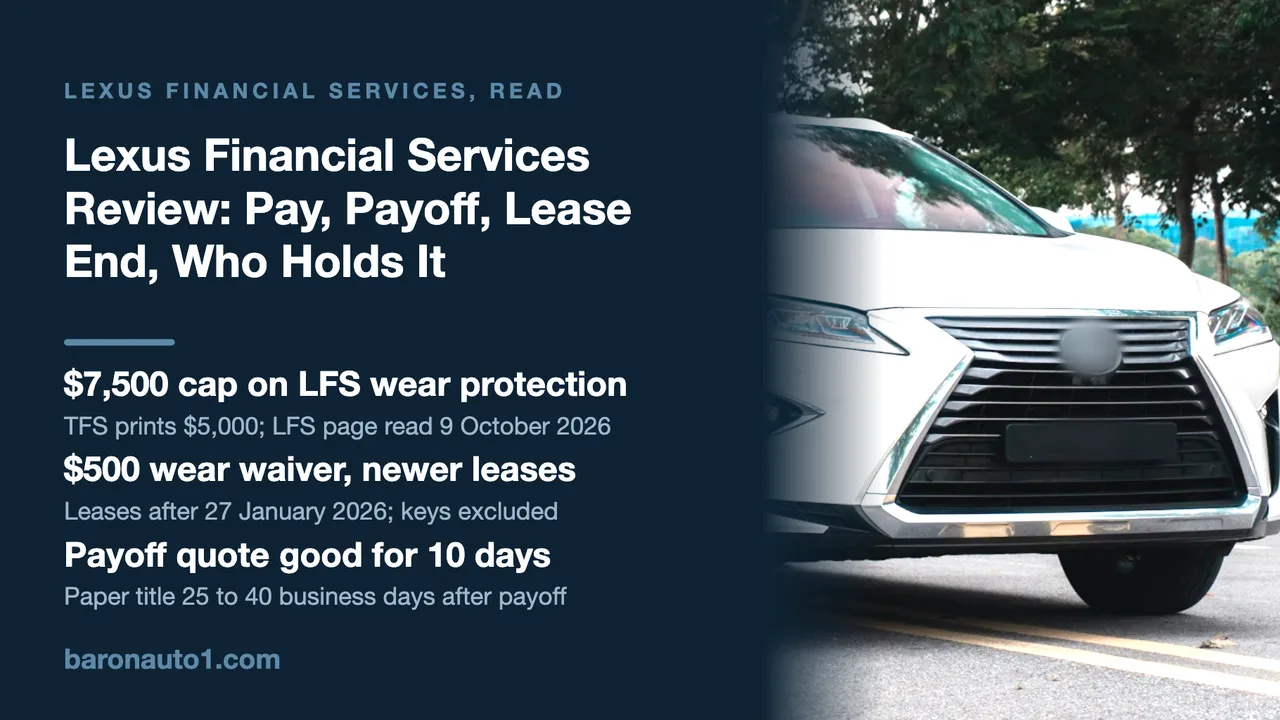 Lexus Financial Services Review: Pay, Payoff, Lease End, Who Holds It · 22 min
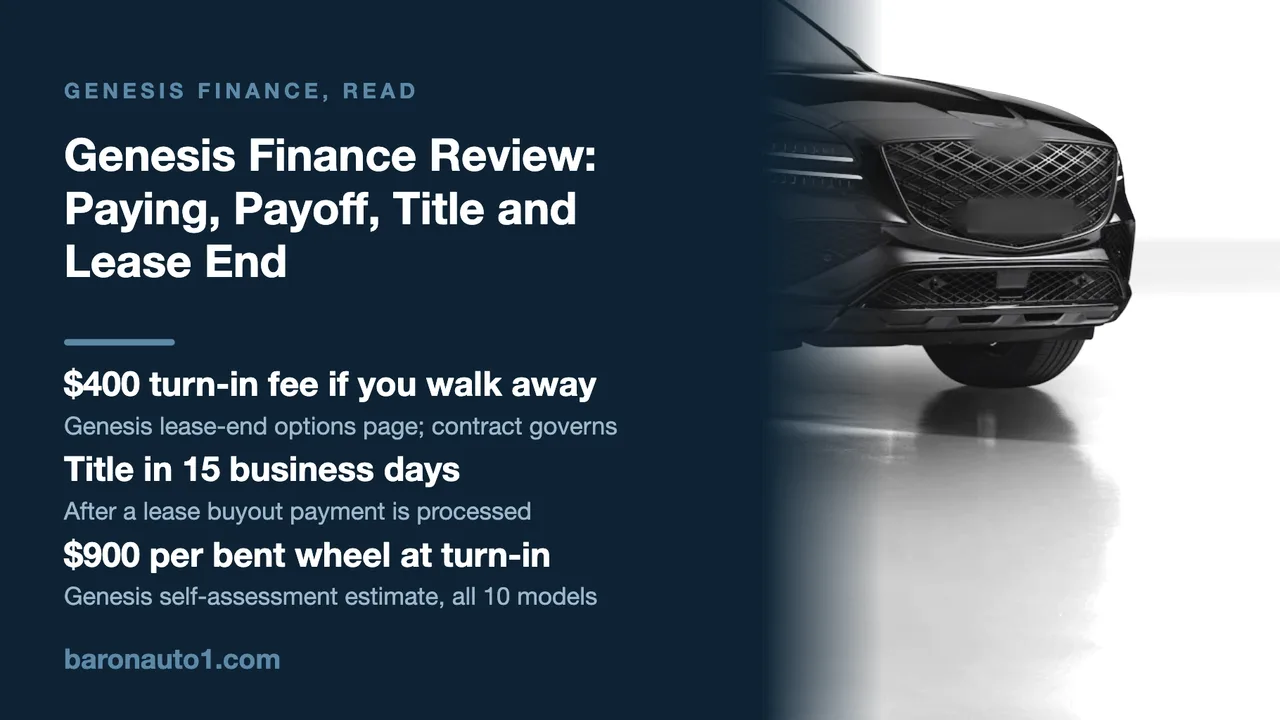 Genesis Finance Review: Paying, Payoff, Title and Lease End · 22 min
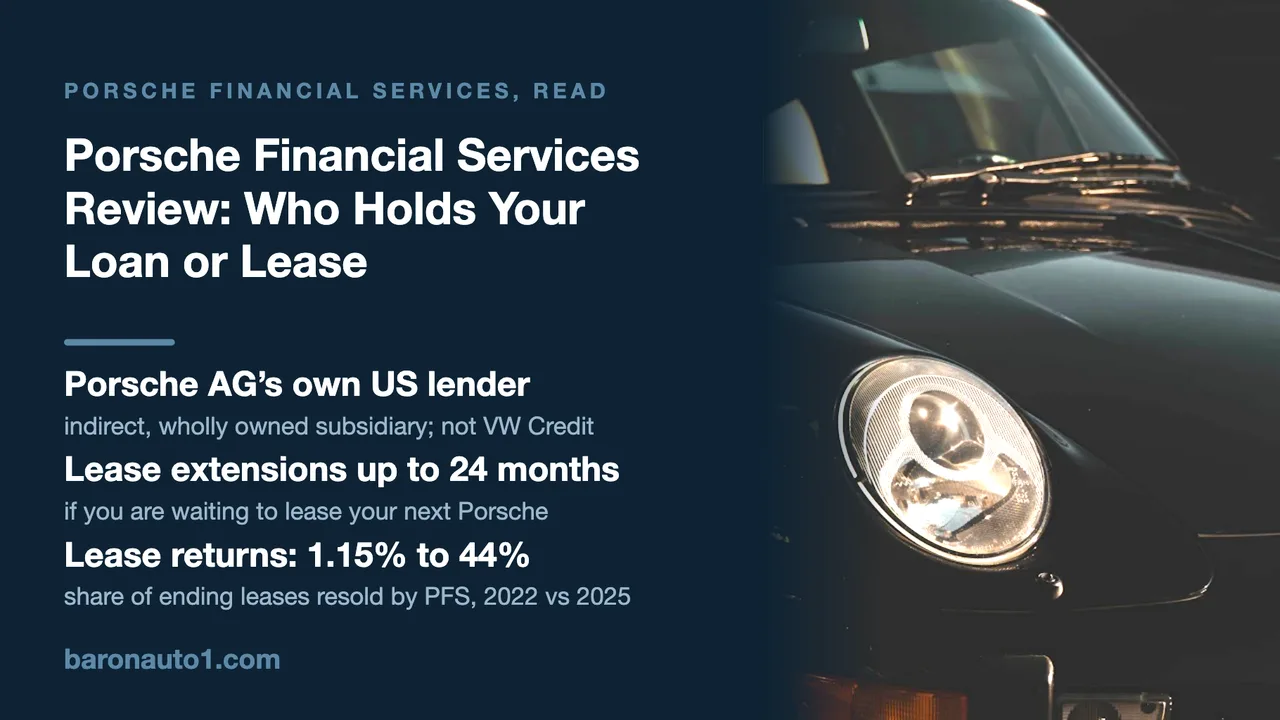 Porsche Financial Services Review: Who Holds Your Loan or Lease · 22 min
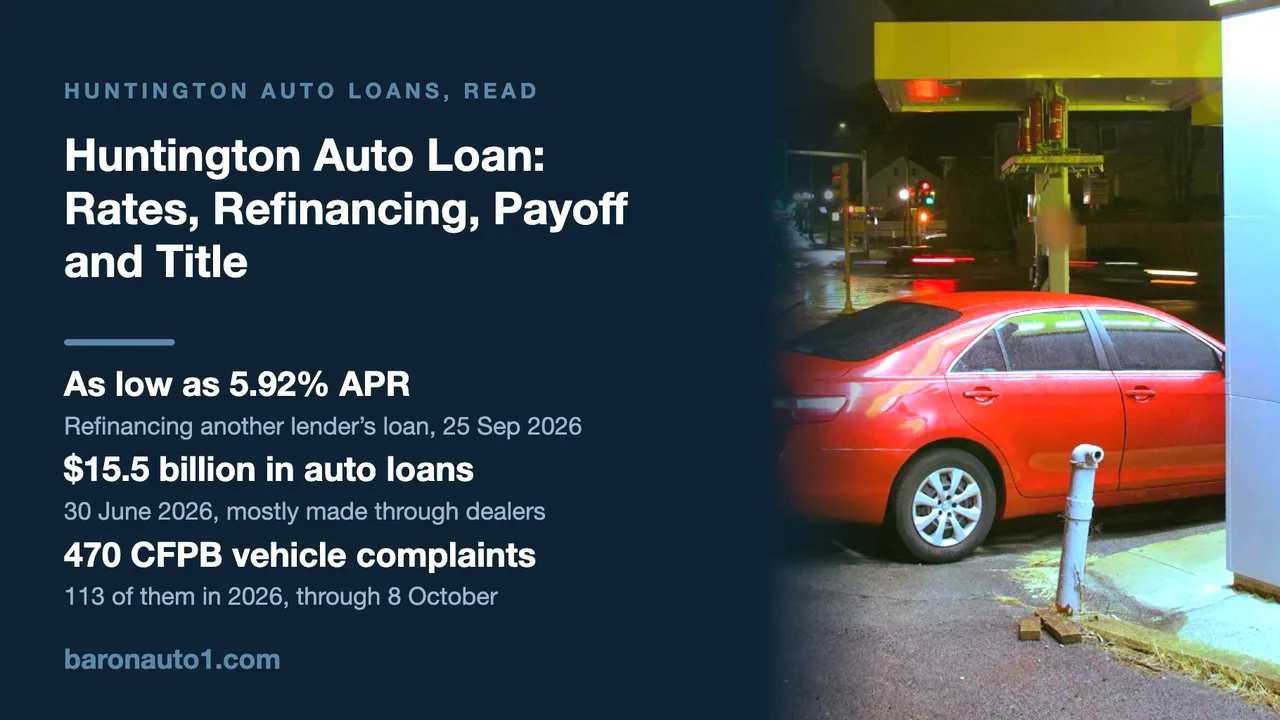 Huntington Auto Loan: Rates, Refinancing, Payoff and Title · 22 min
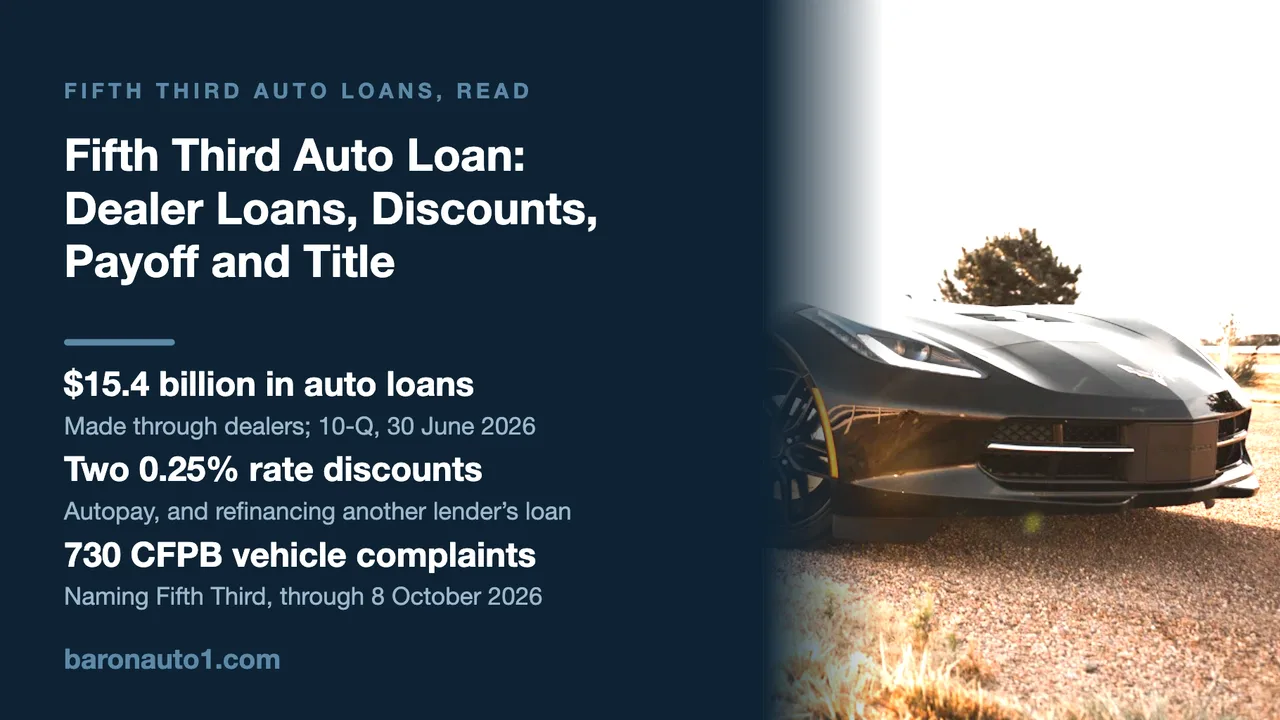 Fifth Third Auto Loan: Dealer Loans, Discounts, Payoff and Title · 22 min
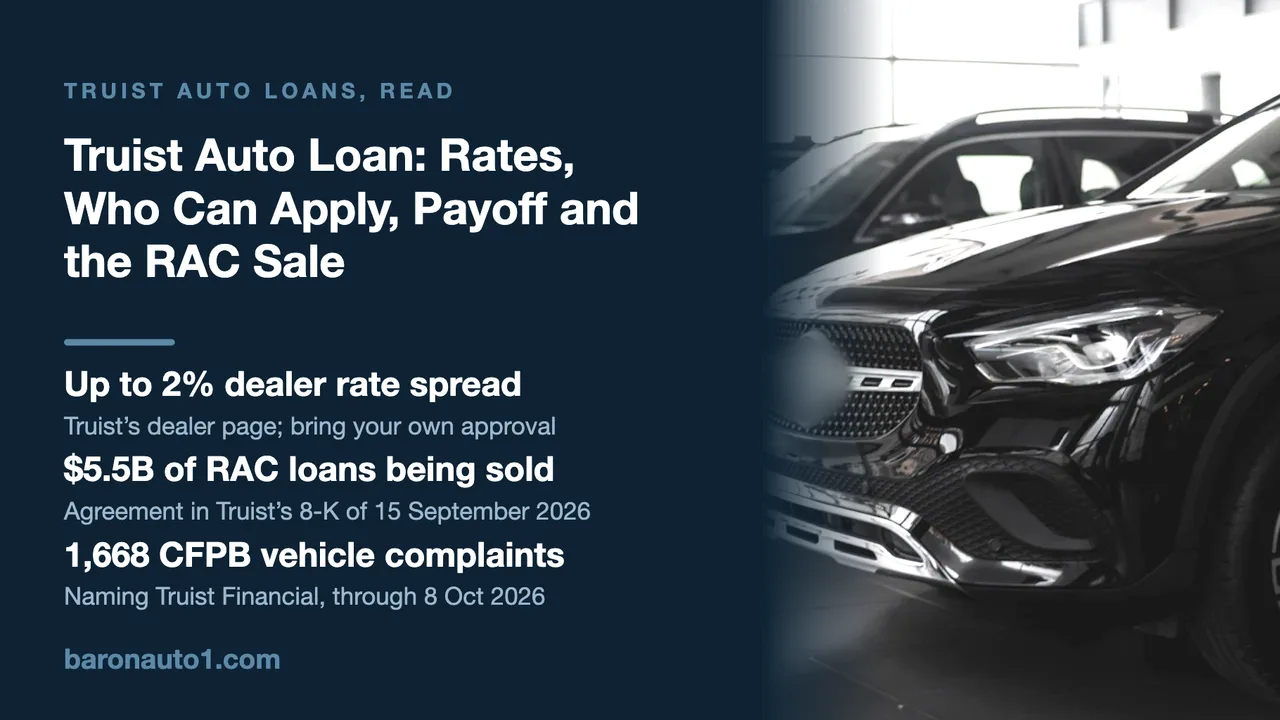 Truist Auto Loan: Rates, Who Can Apply, Payoff and the RAC Sale · 22 min
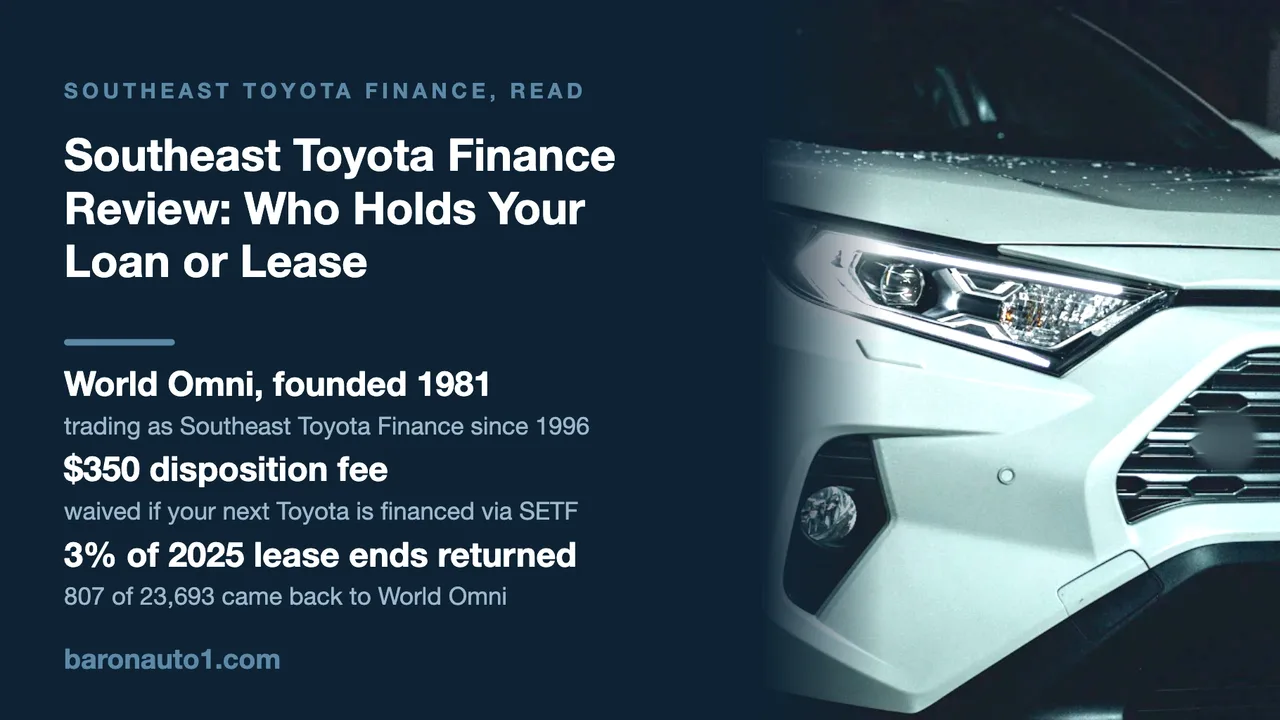 Southeast Toyota Finance Review: Who Holds Your Loan or Lease · 22 min
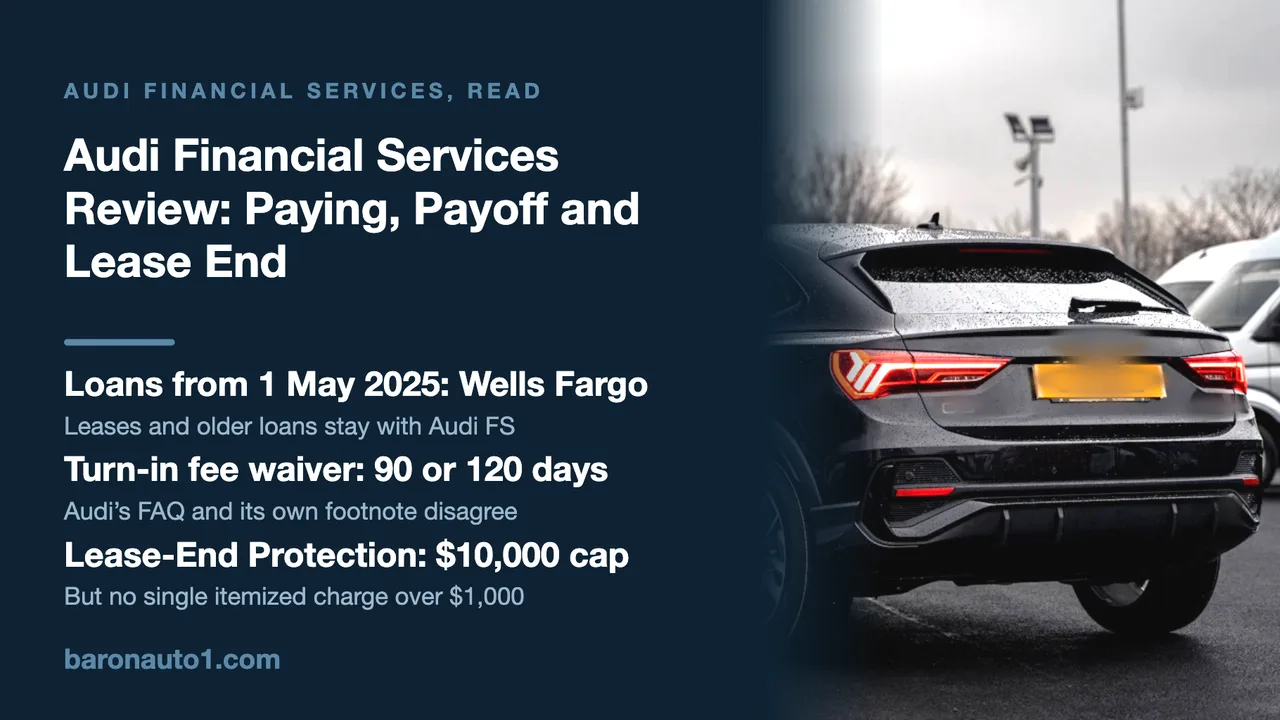 Audi Financial Services Review: Paying, Payoff and Lease End · 21 min
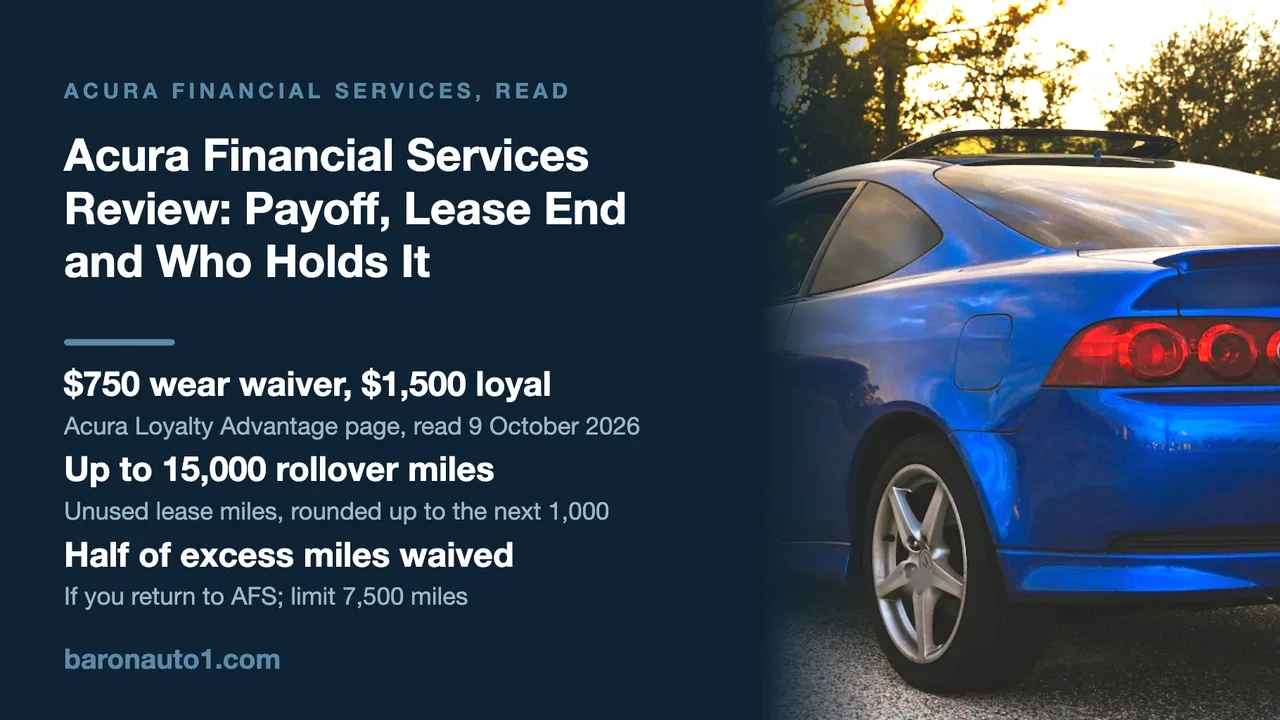 Acura Financial Services Review: Payoff, Lease End and Who Holds It · 22 min
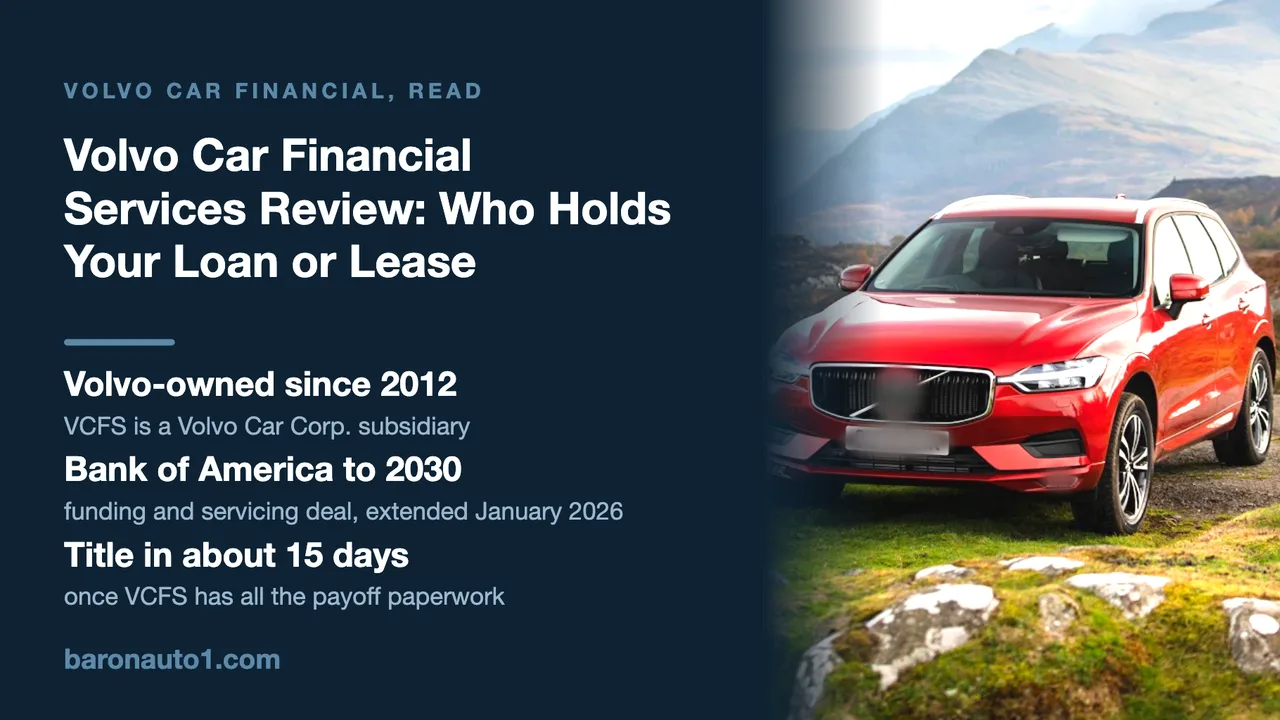 Volvo Car Financial Services Review: Who Holds Your Loan or Lease · 22 min
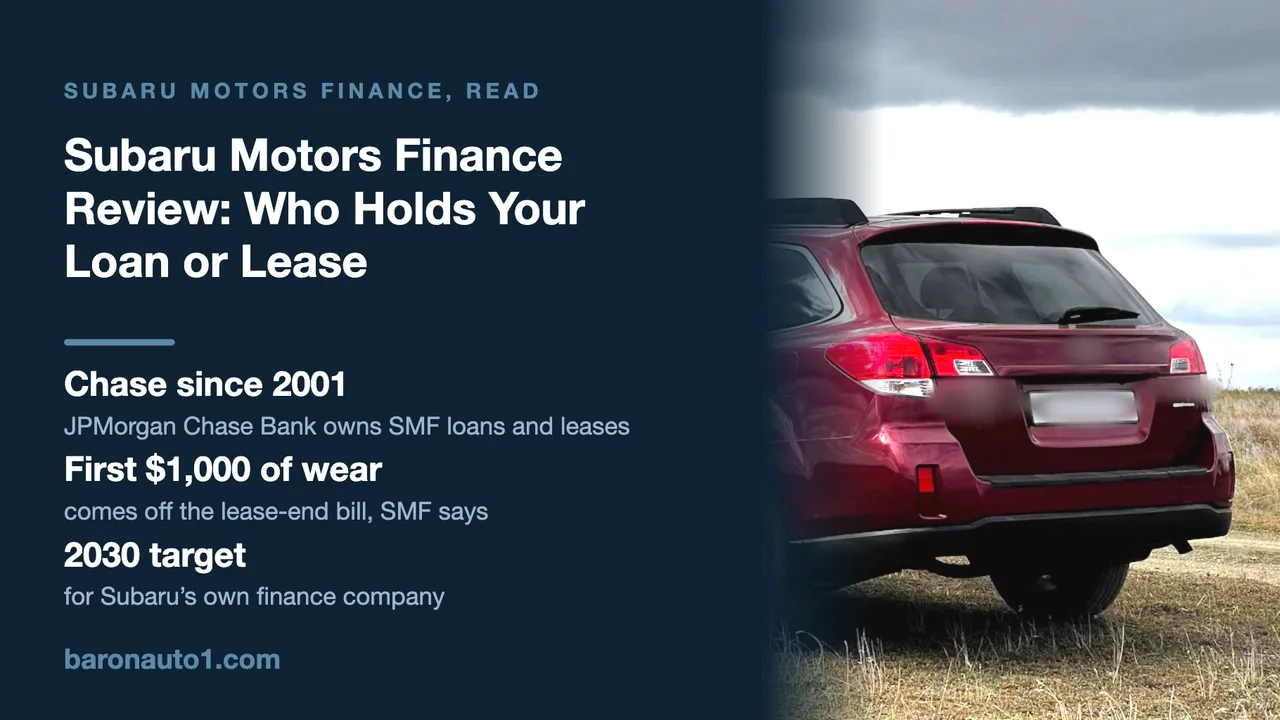 Subaru Motors Finance Review: Who Holds Your Loan or Lease · 22 min
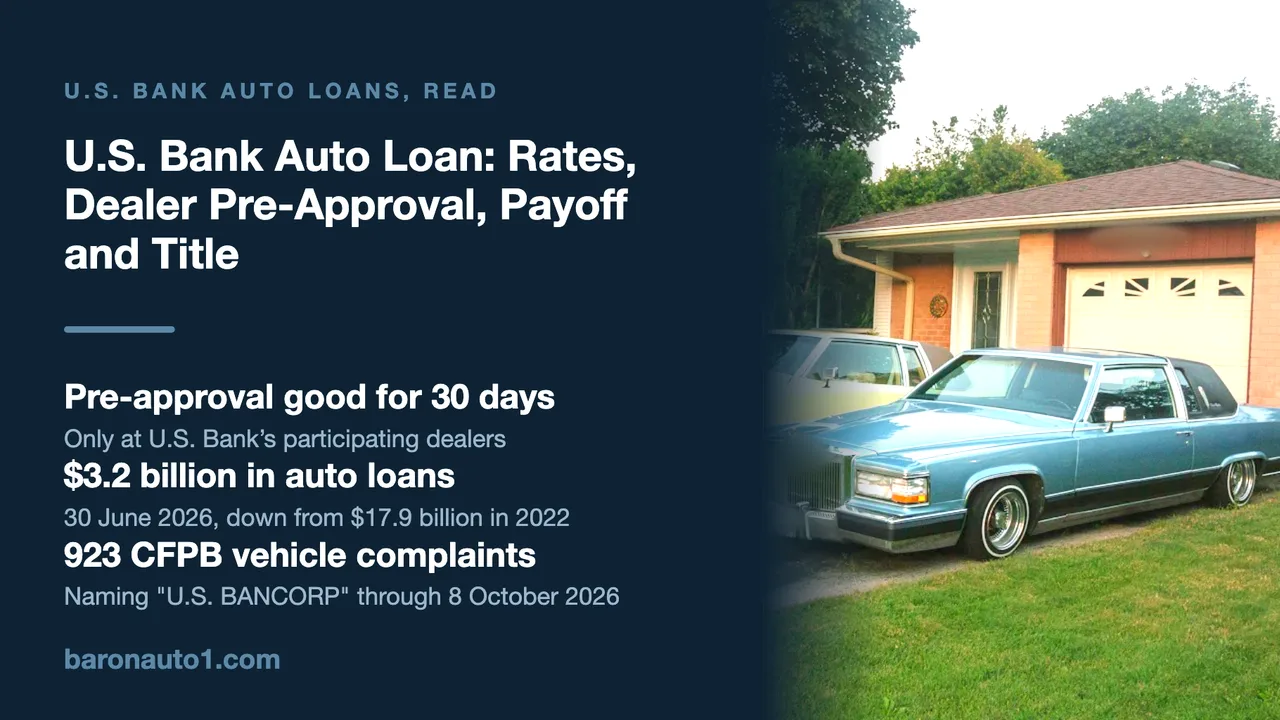 U.S. Bank Auto Loan: Rates, Dealer Pre-Approval, Payoff and Title · 22 min
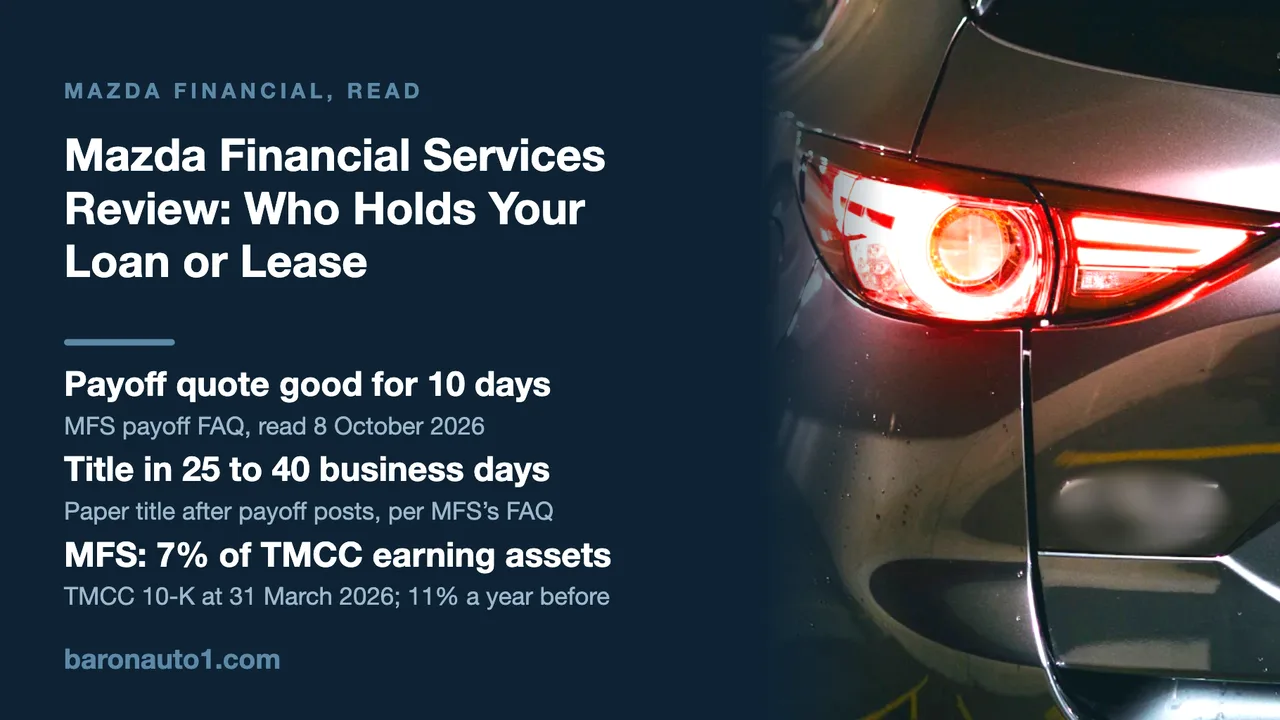 Mazda Financial Services Review: Who Holds Your Loan or Lease · 22 min
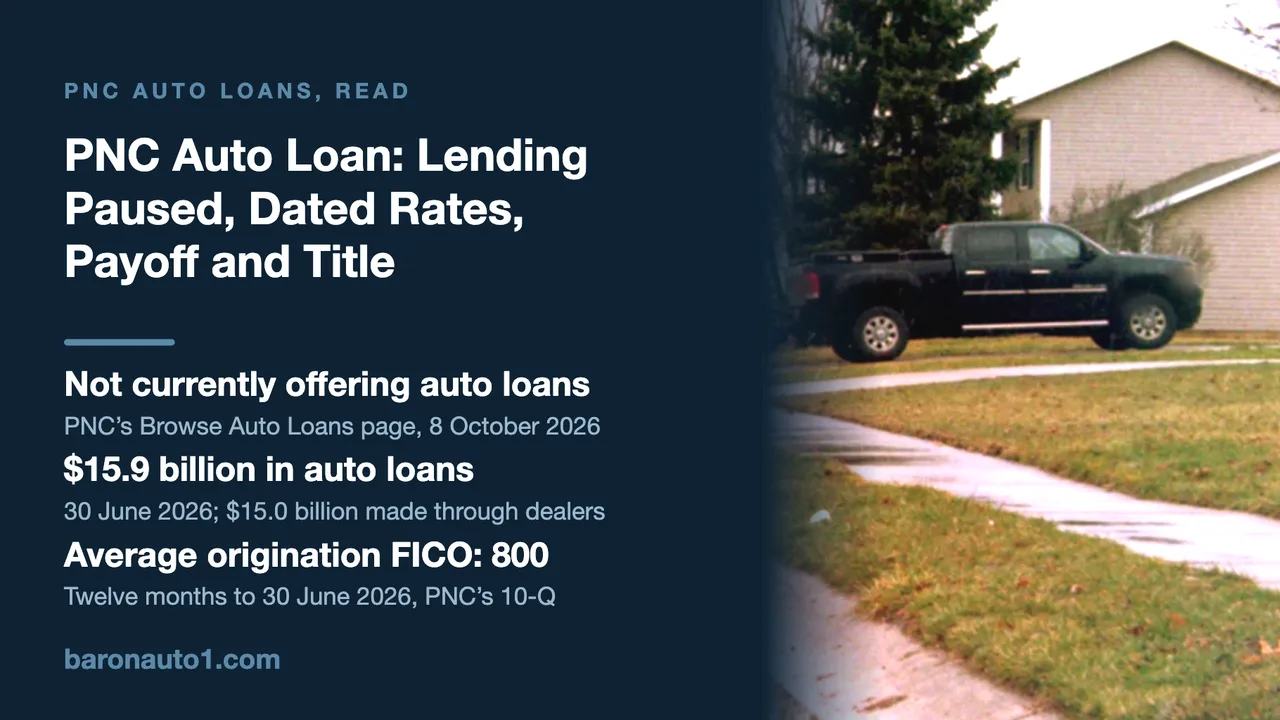 PNC Auto Loan: Lending Paused, Dated Rates, Payoff and Title · 22 min
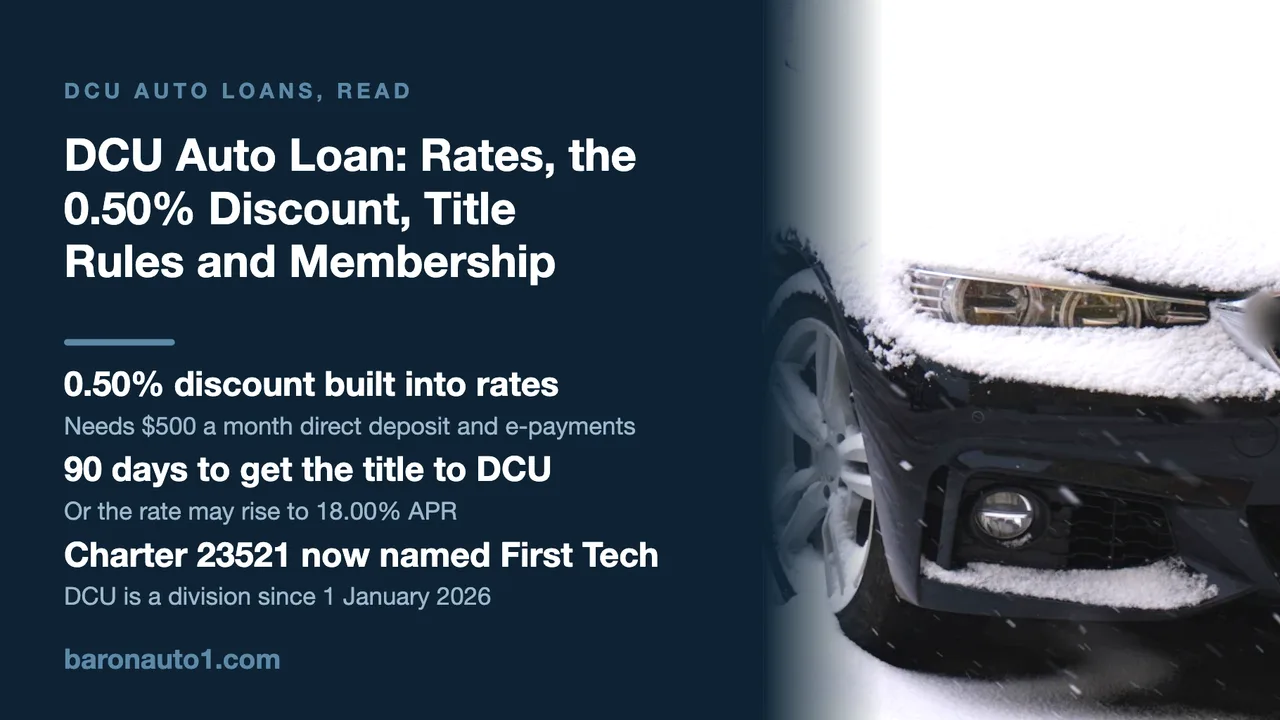 DCU Auto Loan: Rates, the 0.50% Discount, Title Rules and Membership · 20 min
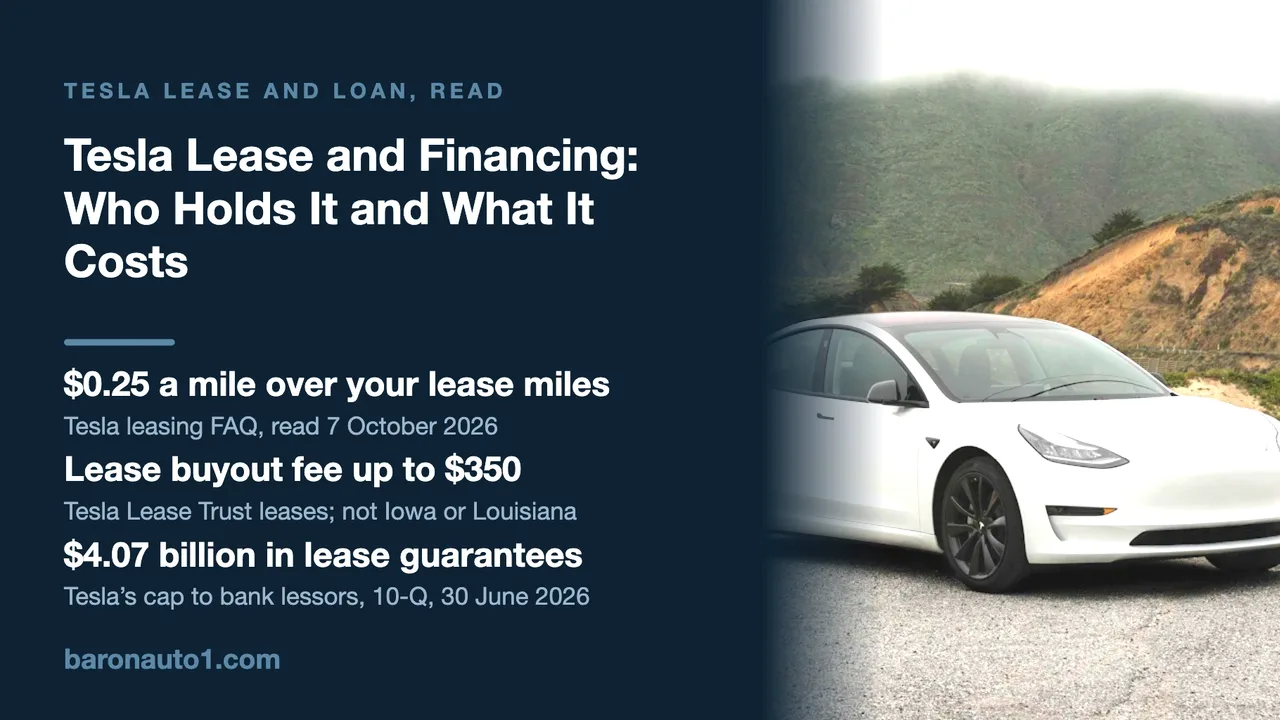 Tesla Lease and Financing: Who Holds It and What It Costs · 22 min
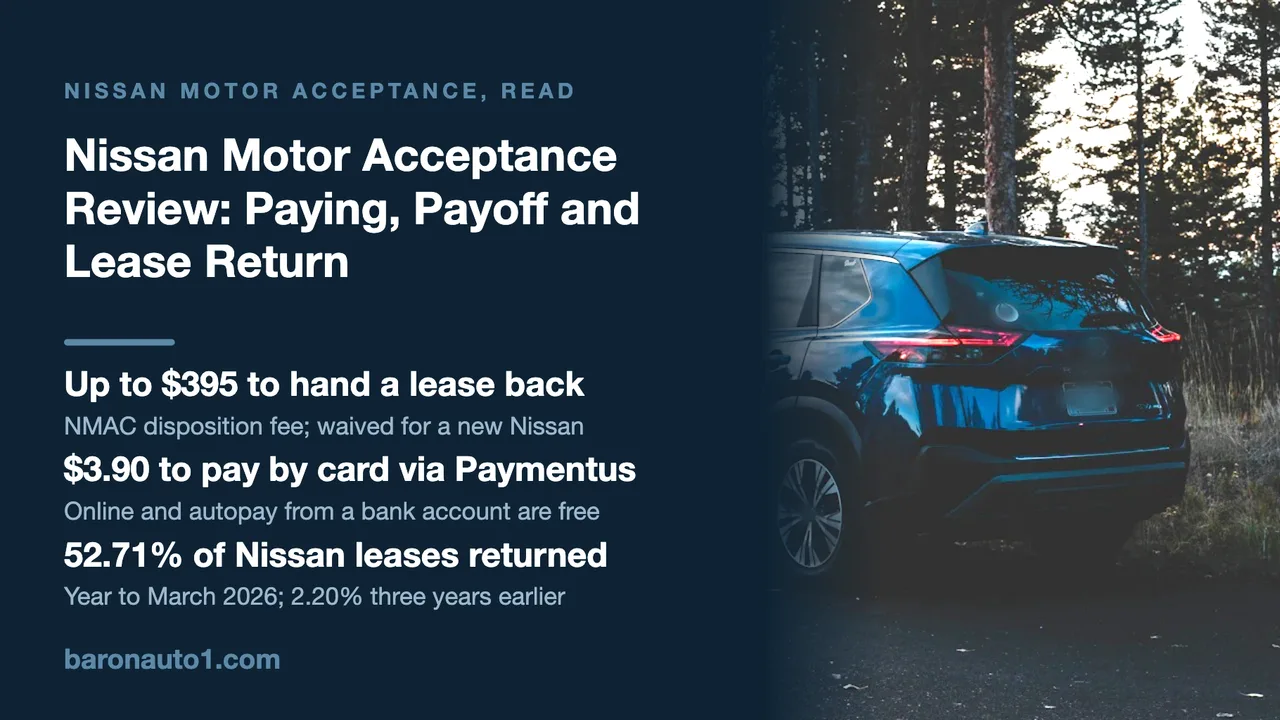 Nissan Motor Acceptance Review: Paying, Payoff and Lease Return · 21 min
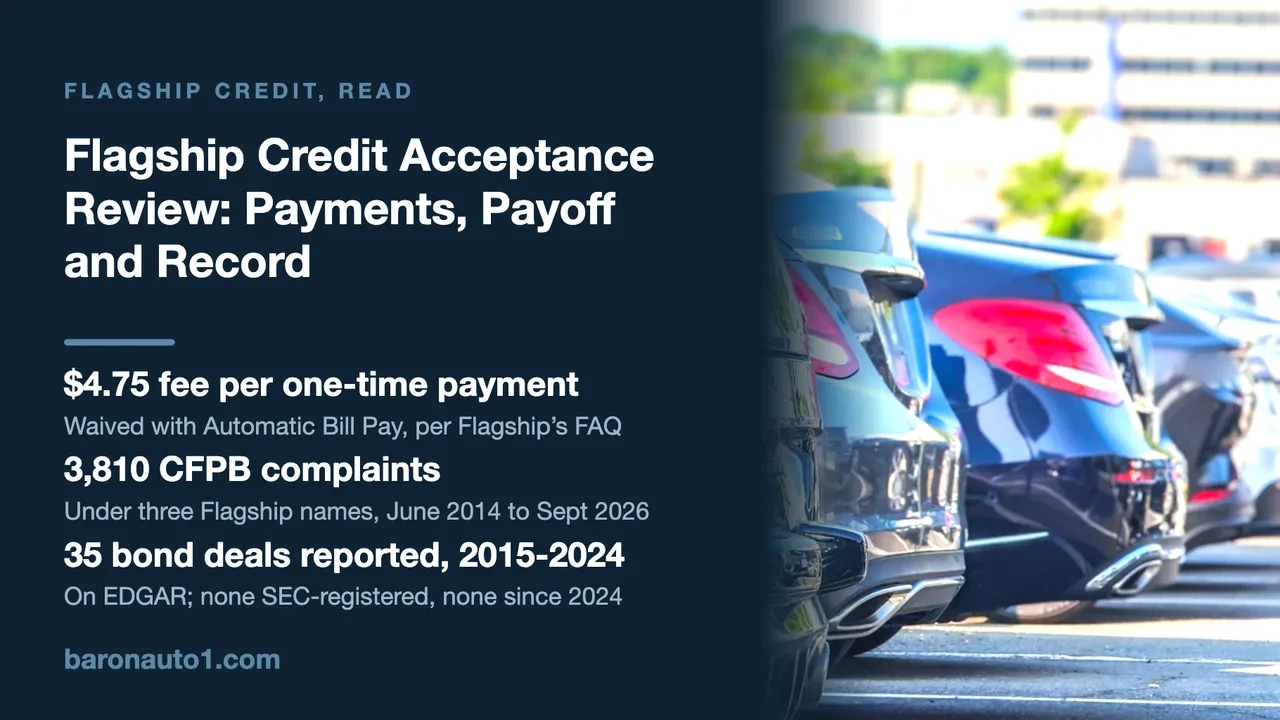 Flagship Credit Acceptance Review: Payments, Payoff and Record · 22 min
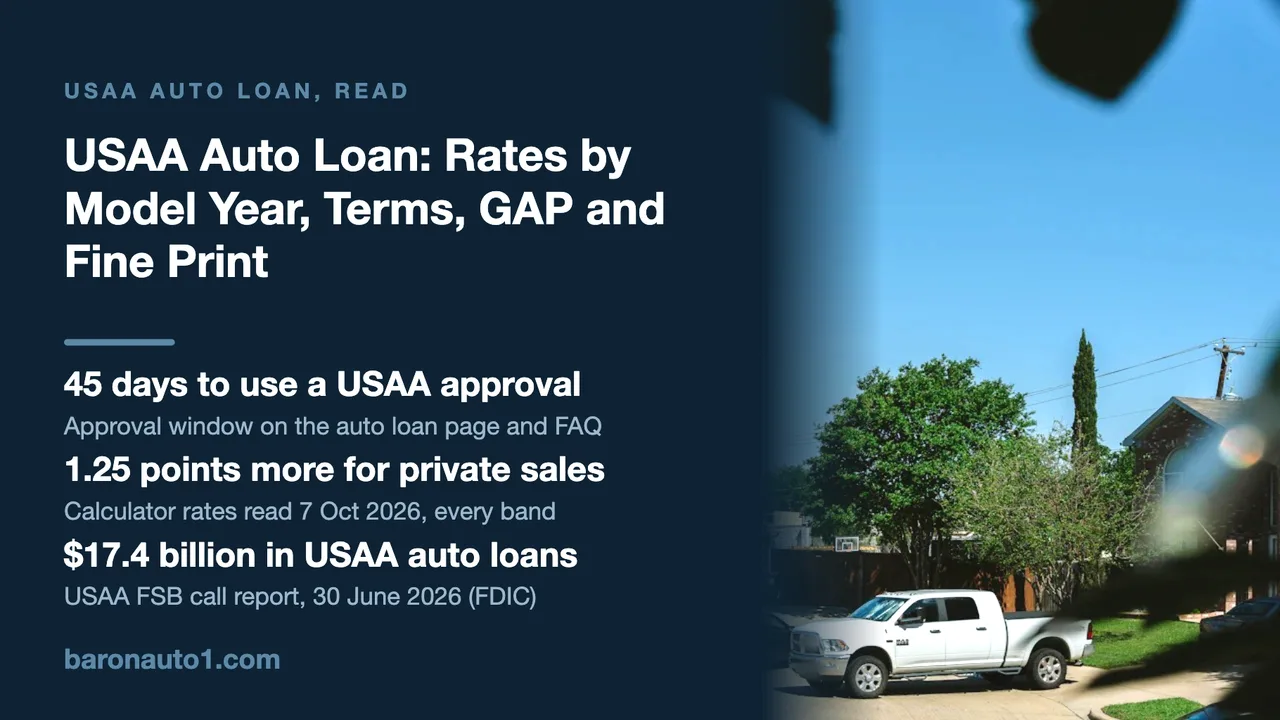 USAA Auto Loan: Rates by Model Year, Terms, GAP and Fine Print · 21 min
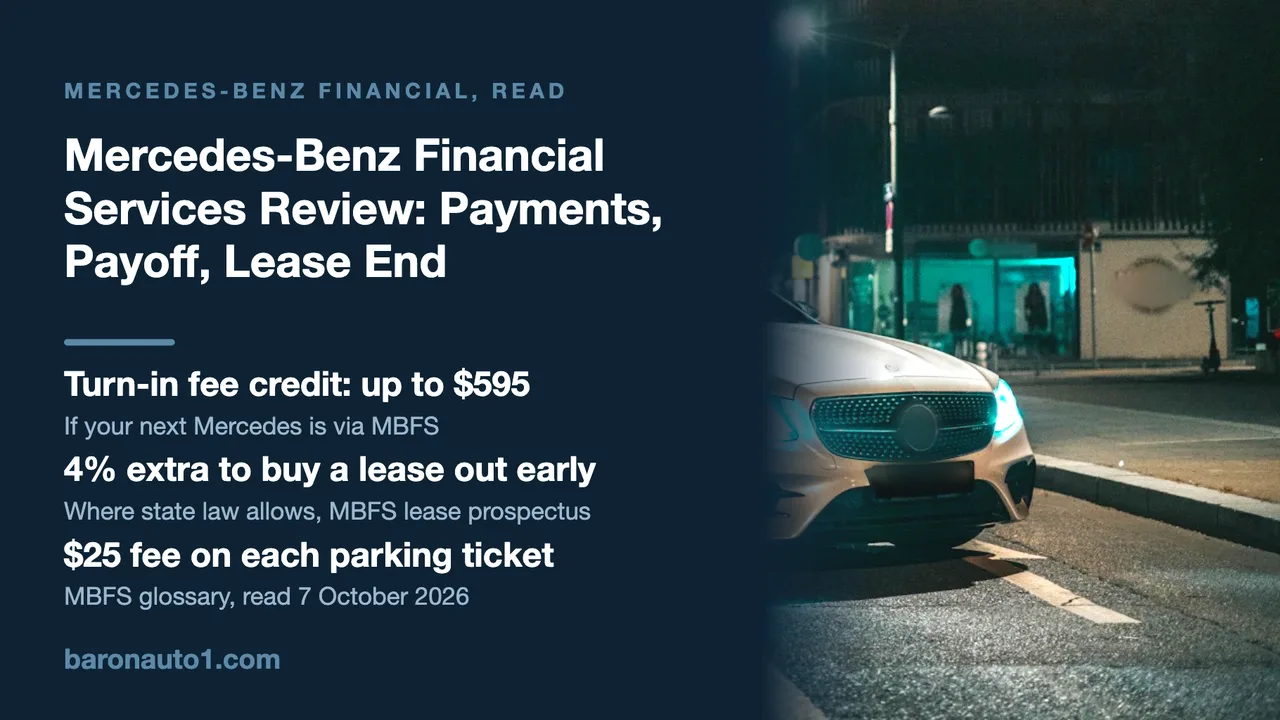 Mercedes-Benz Financial Services Review: Payments, Payoff, Lease End · 21 min
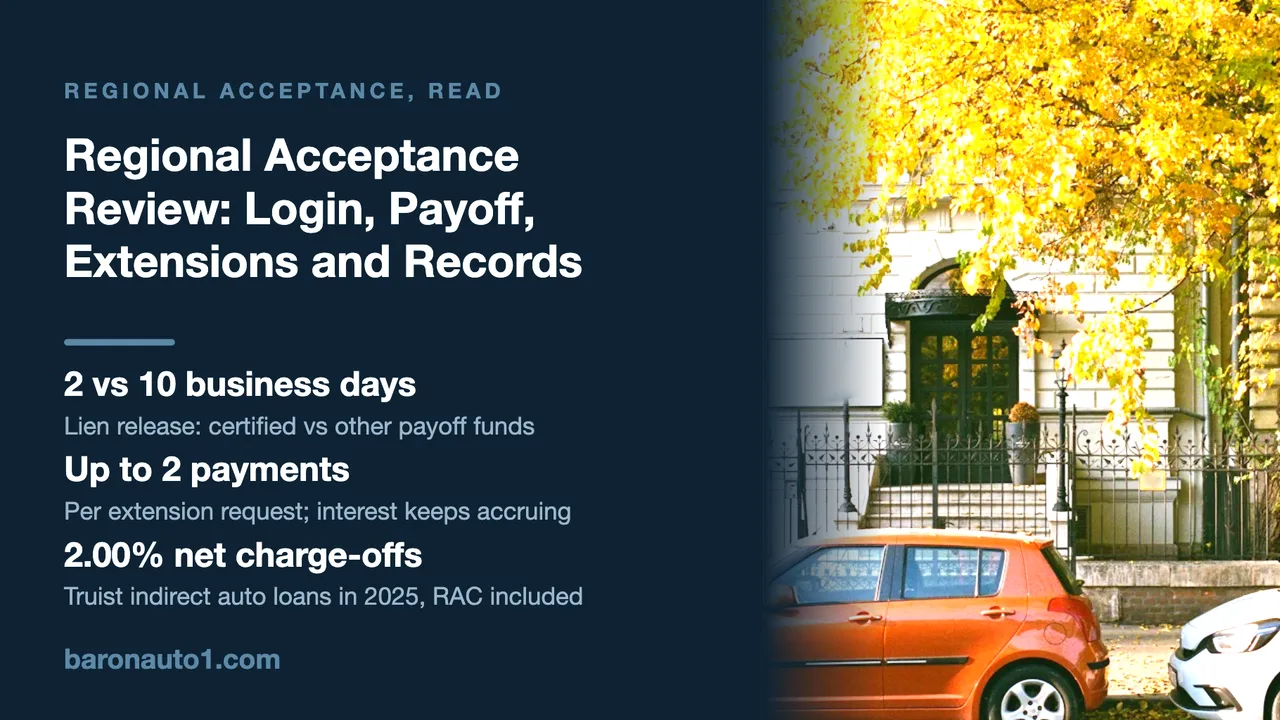 Regional Acceptance Review: Login, Payoff, Extensions and Records · 21 min
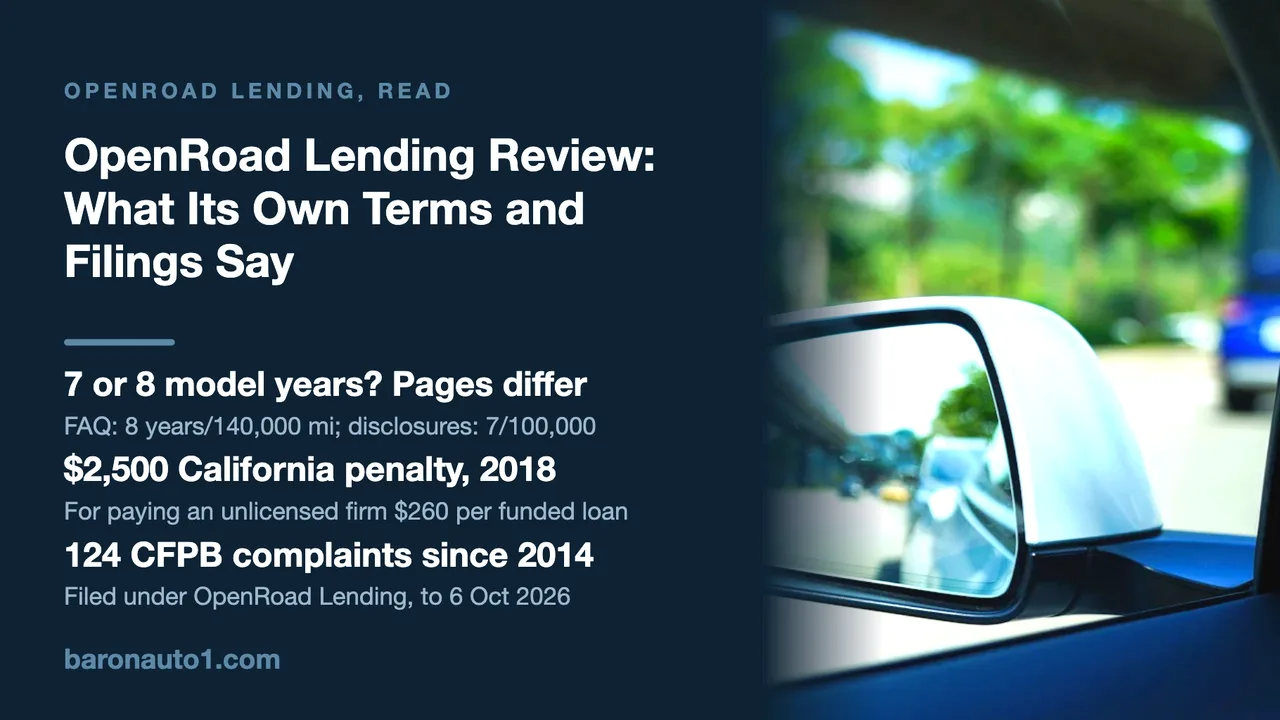 OpenRoad Lending Review: What Its Own Terms and Filings Say · 22 min
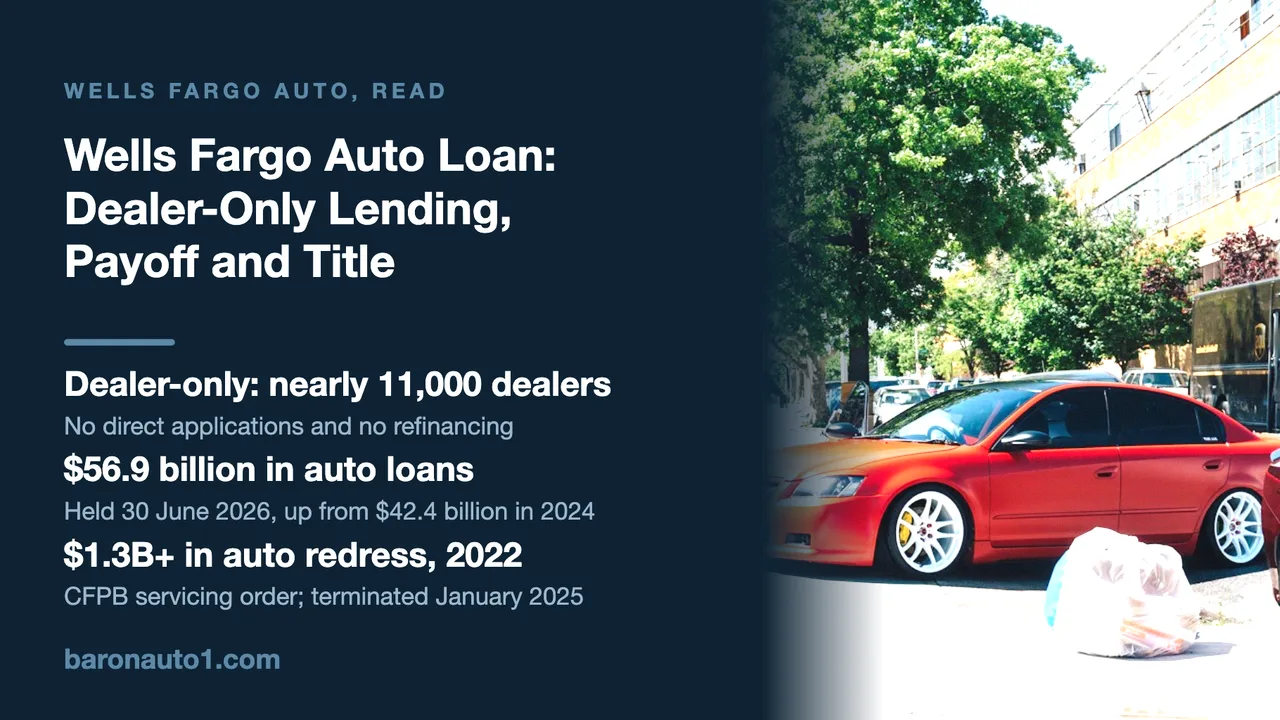 Wells Fargo Auto Loan: Dealer-Only Lending, Payoff and Title · 22 min
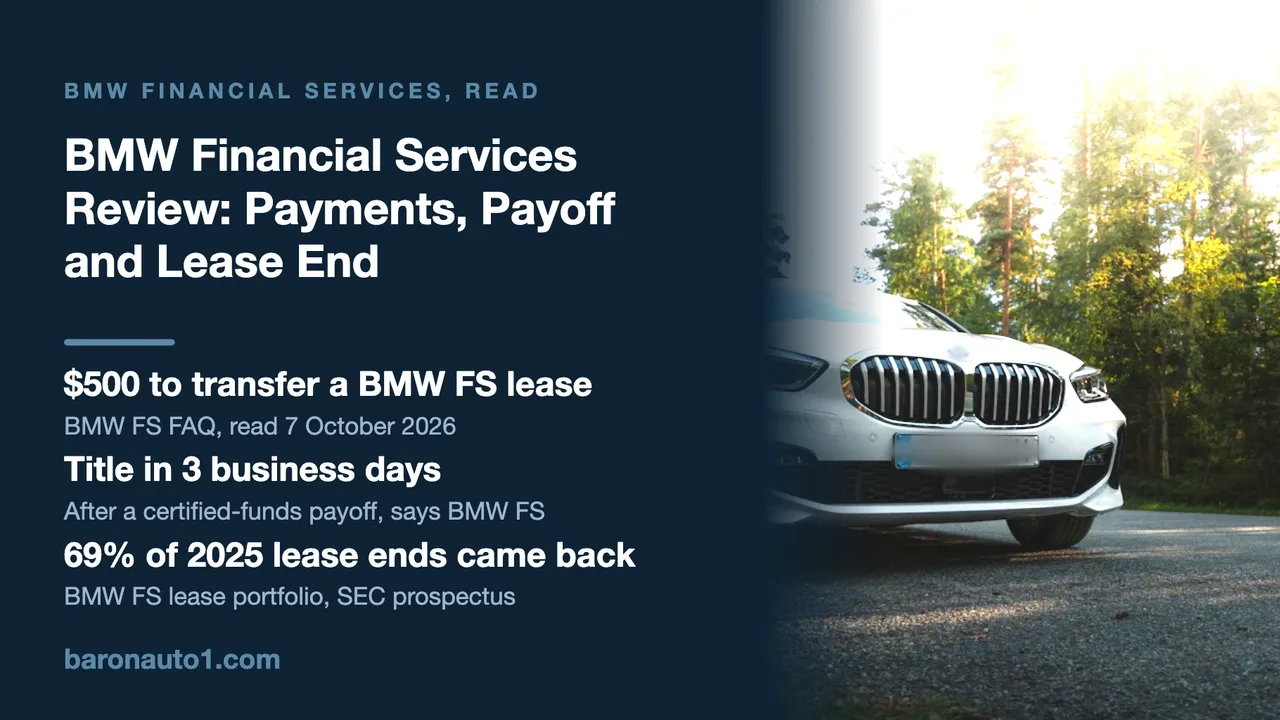 BMW Financial Services Review: Payments, Payoff and Lease End · 21 min
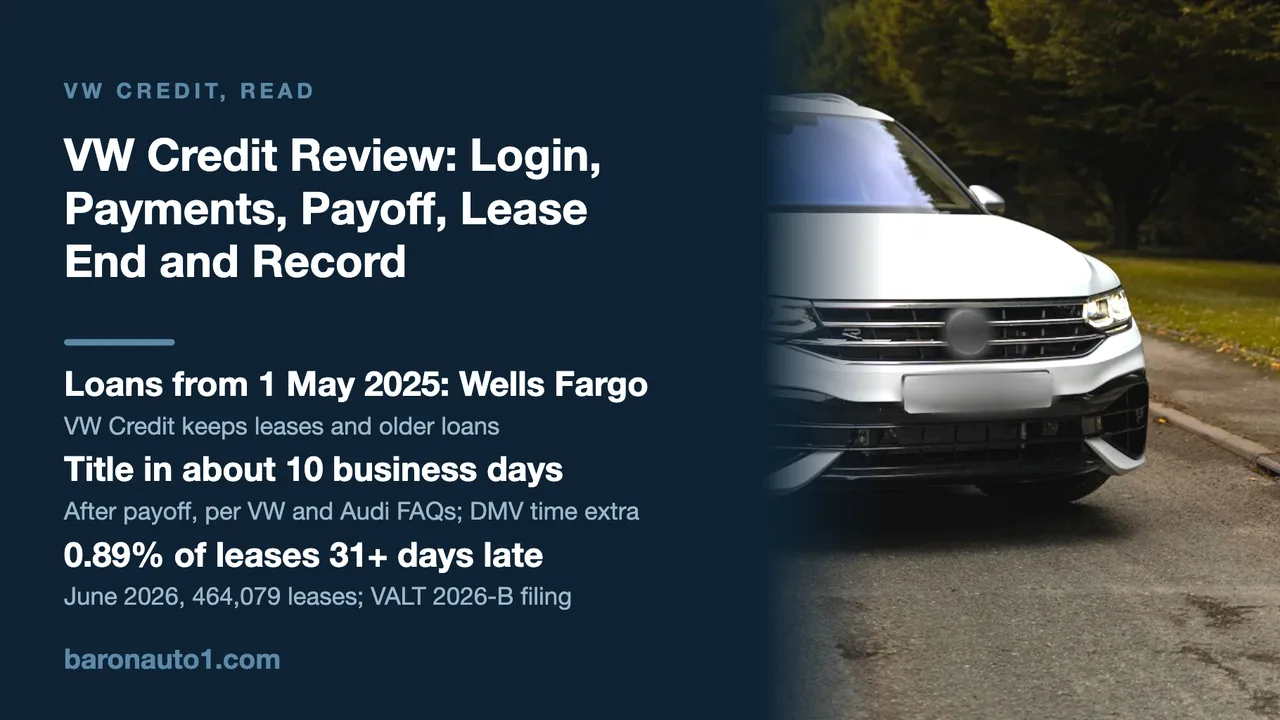 VW Credit Review: Login, Payments, Payoff, Lease End and Record · 22 min
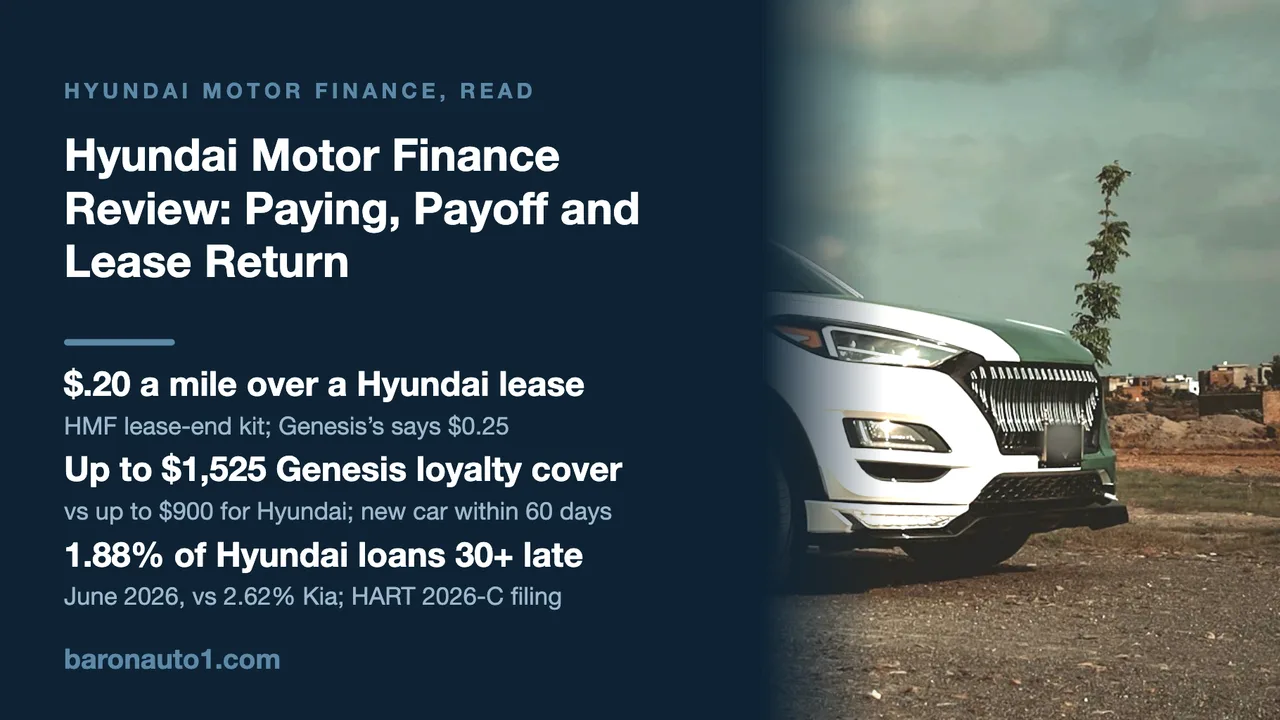 Hyundai Motor Finance Review: Paying, Payoff and Lease Return · 22 min
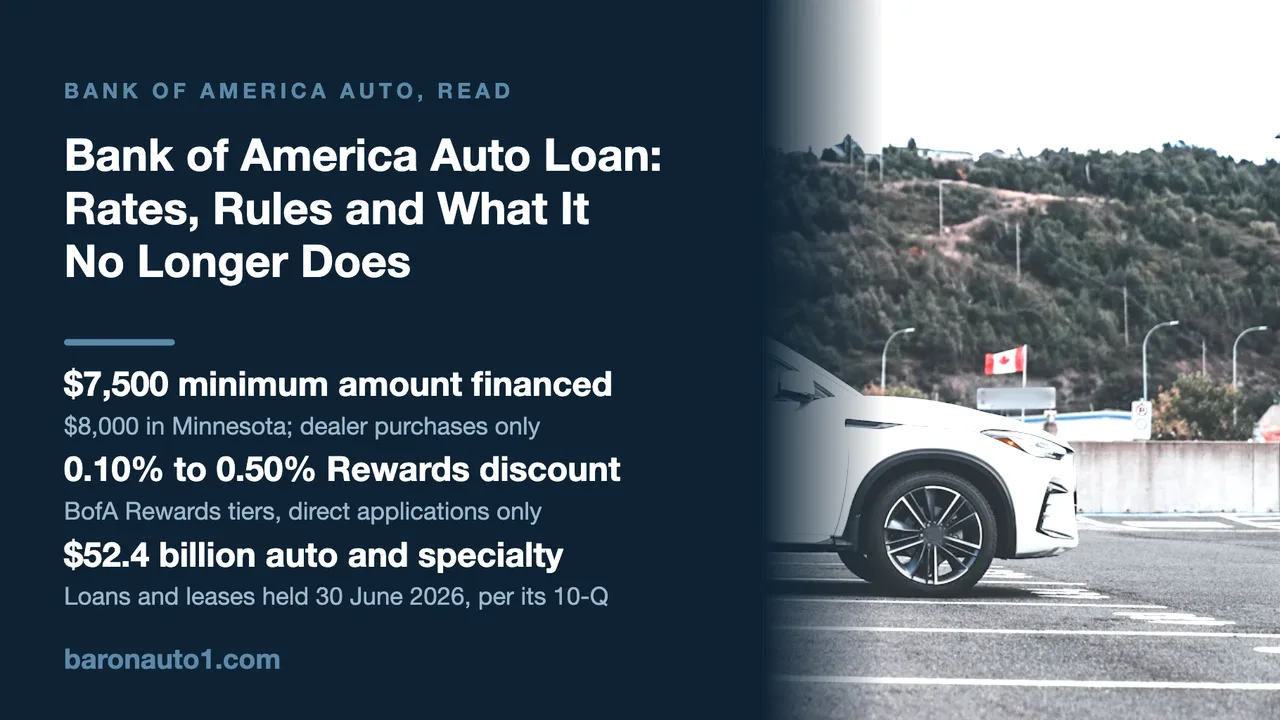 Bank of America Auto Loan: Rates, Rules and What It No Longer Does · 22 min
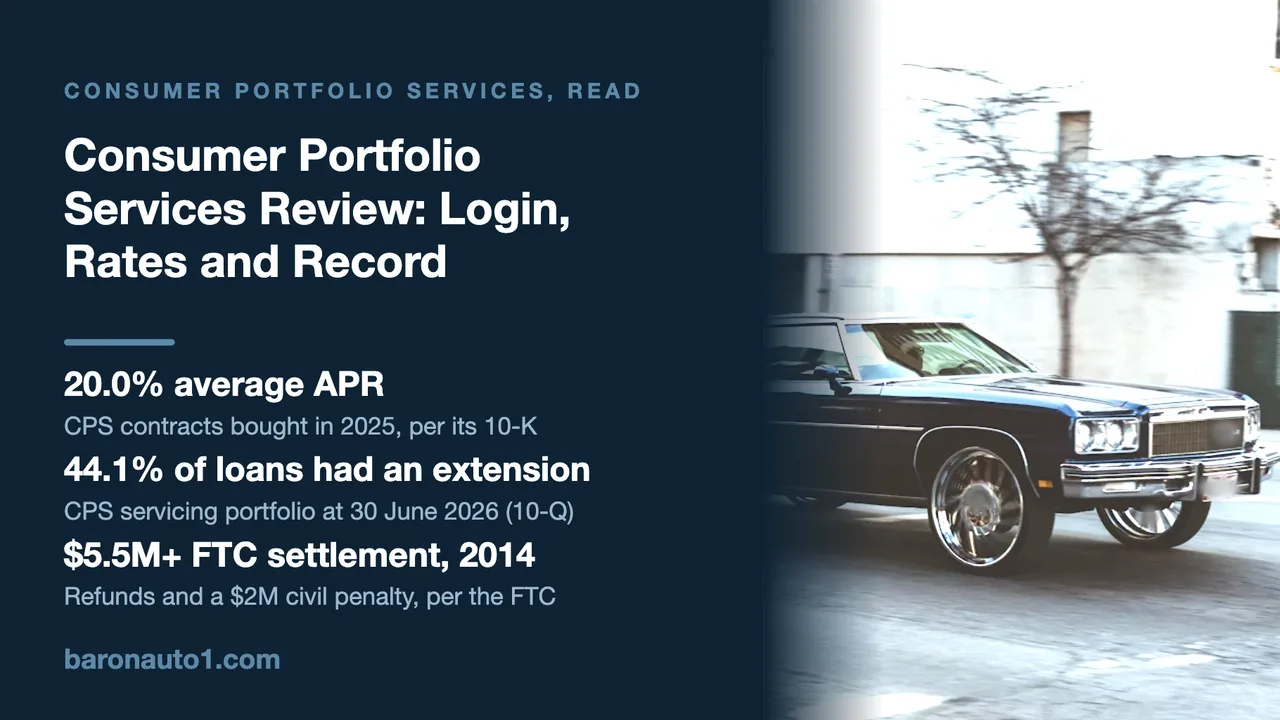 Consumer Portfolio Services Review: Login, Rates and Record · 22 min
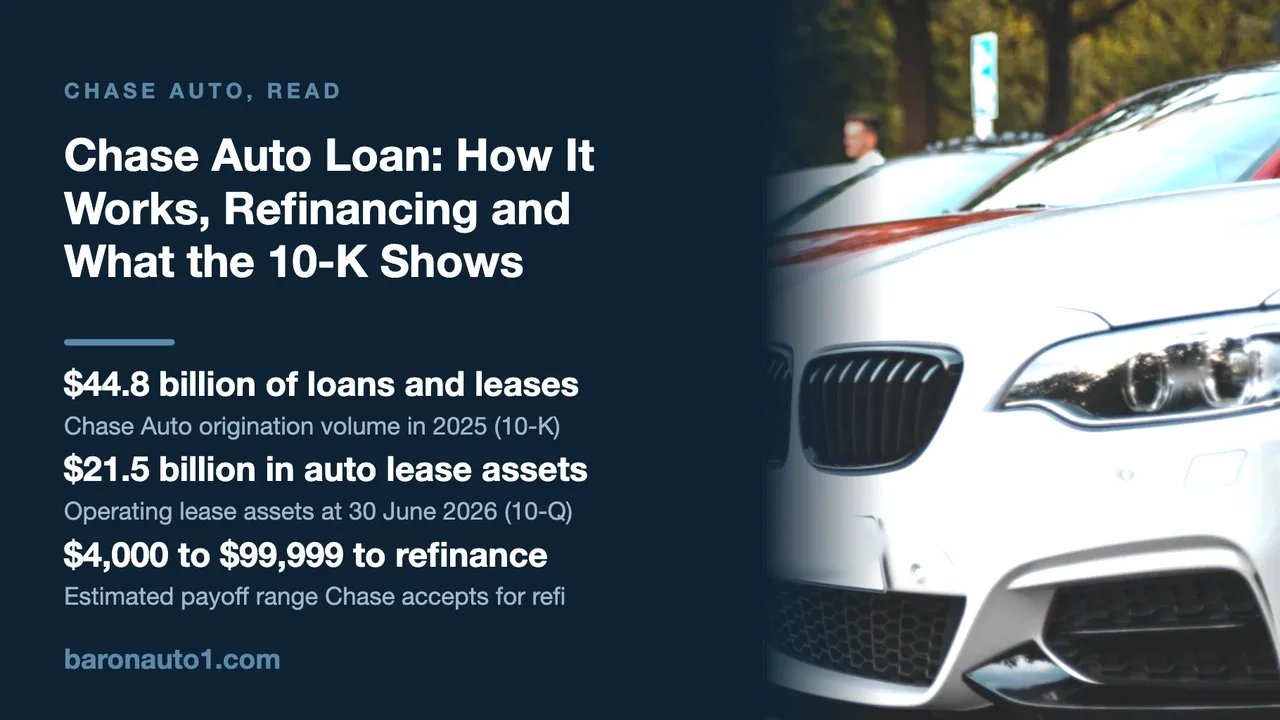 Chase Auto Loan: How It Works, Refinancing and What the 10-K Shows · 22 min
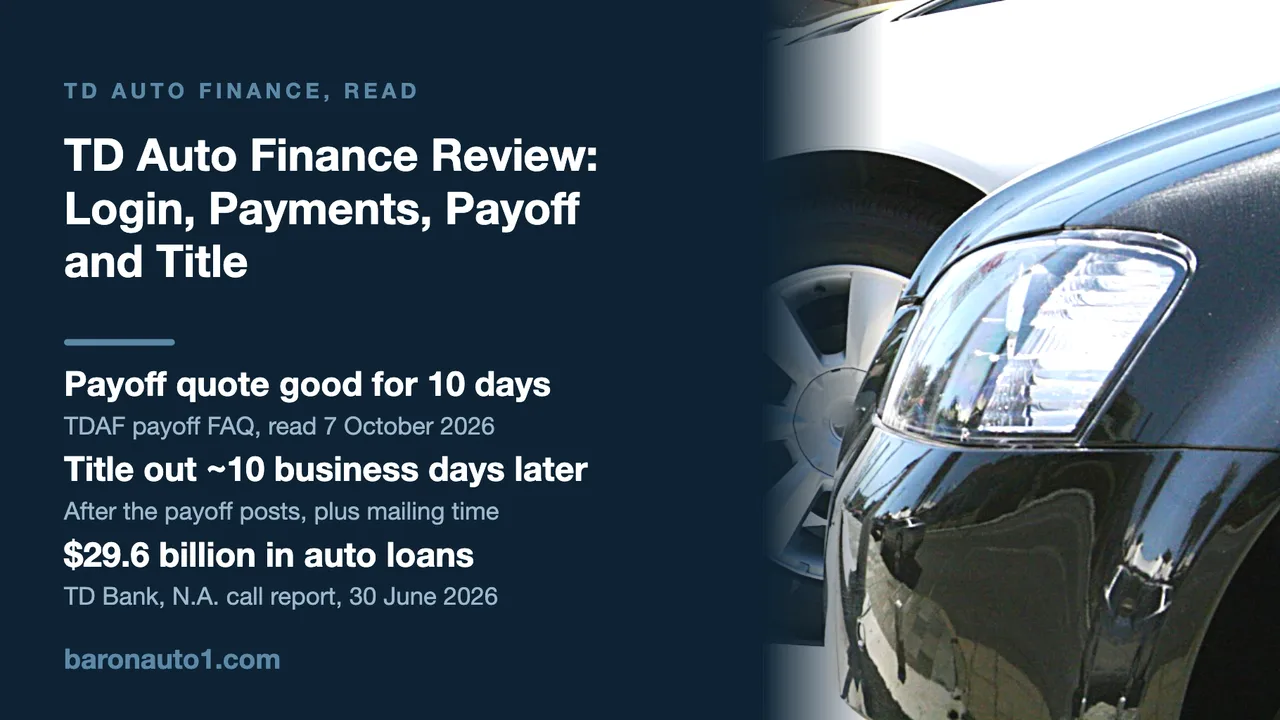 TD Auto Finance Review: Login, Payments, Payoff and Title · 22 min
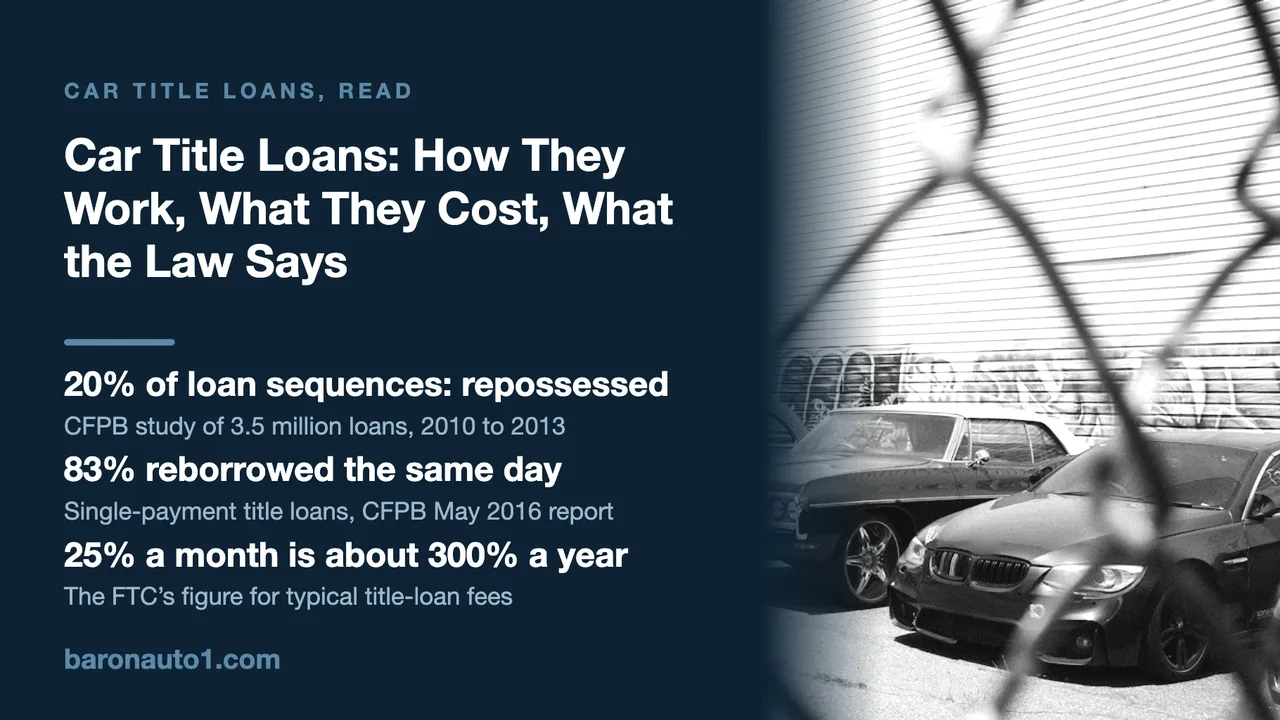 Car Title Loans: How They Work, What They Cost, What the Law Says · 22 min
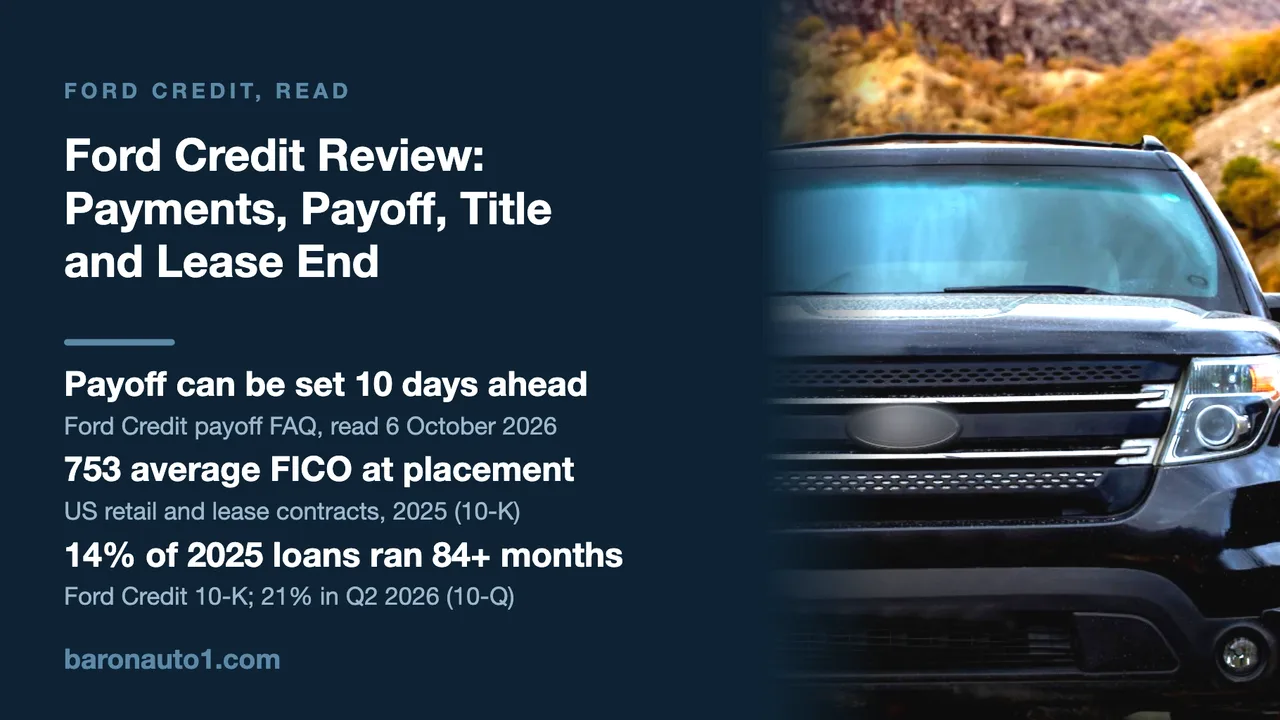 Ford Credit Review: Payments, Payoff, Title and Lease End · 21 min
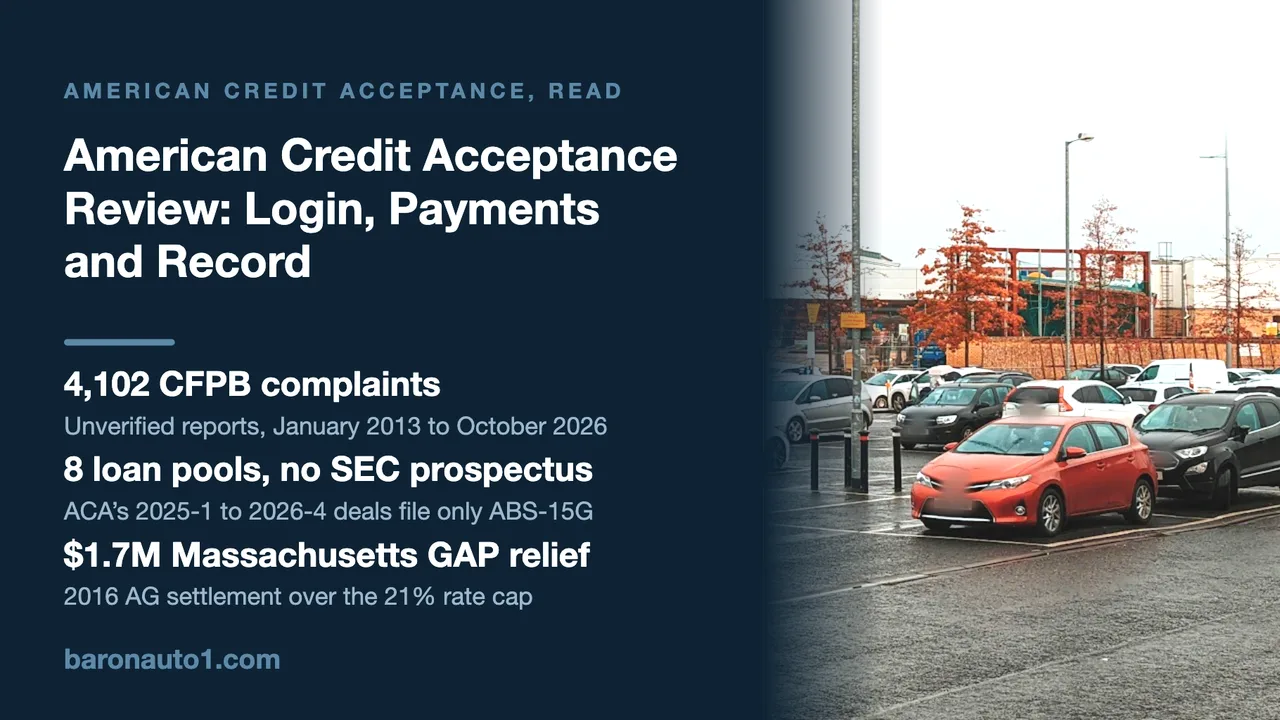 American Credit Acceptance Review: Login, Payments and Record · 22 min
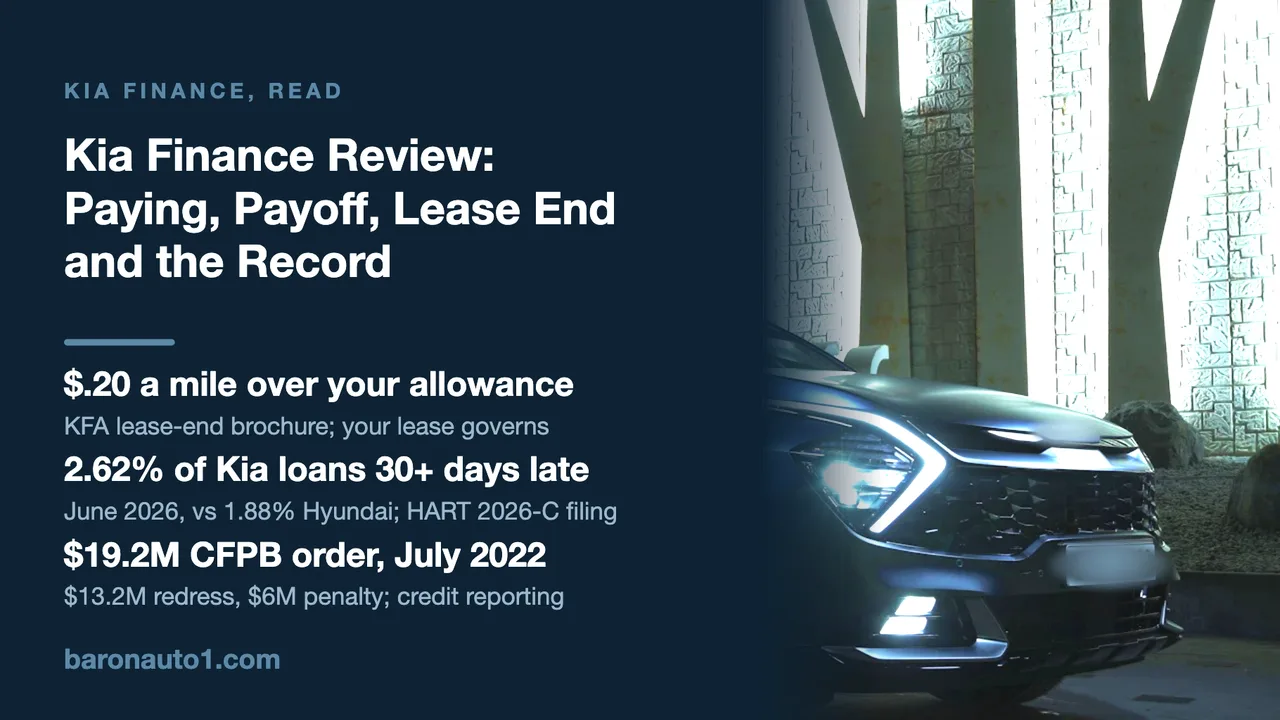 Kia Finance Review: Paying, Payoff, Lease End and the Record · 22 min
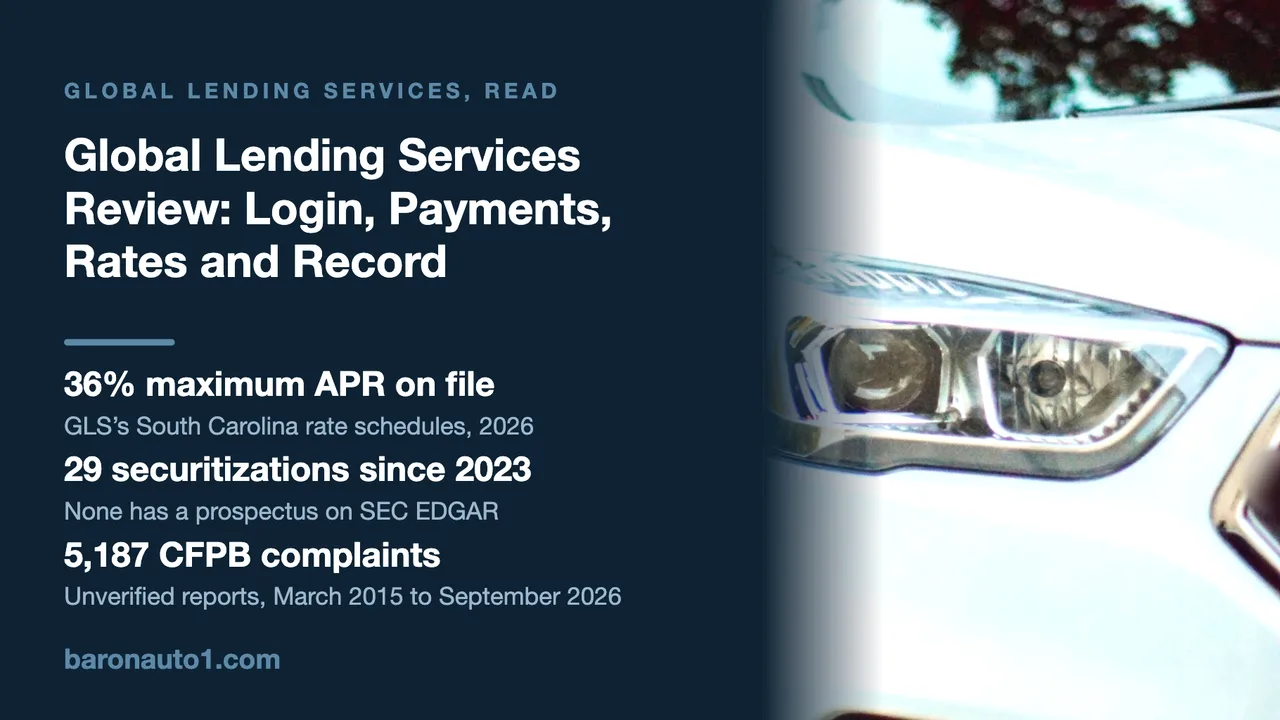 Global Lending Services Review: Login, Payments, Rates and Record · 21 min
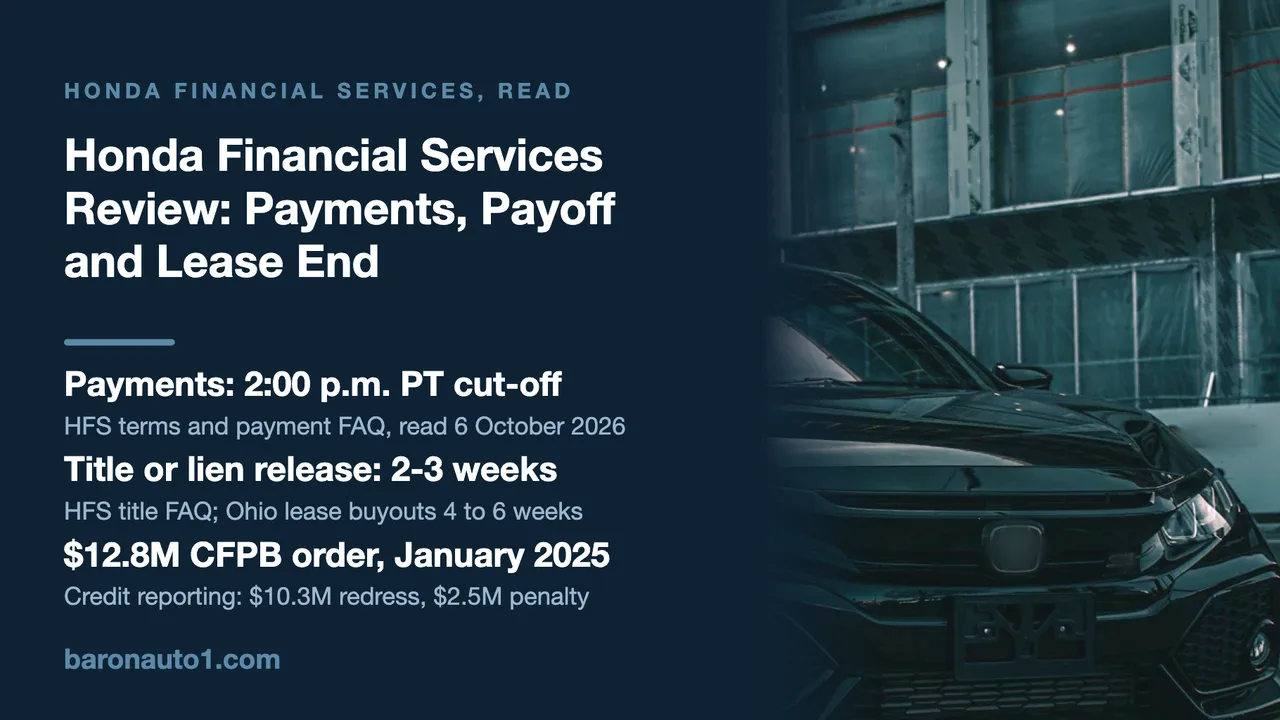 Honda Financial Services Review: Payments, Payoff and Lease End · 22 min
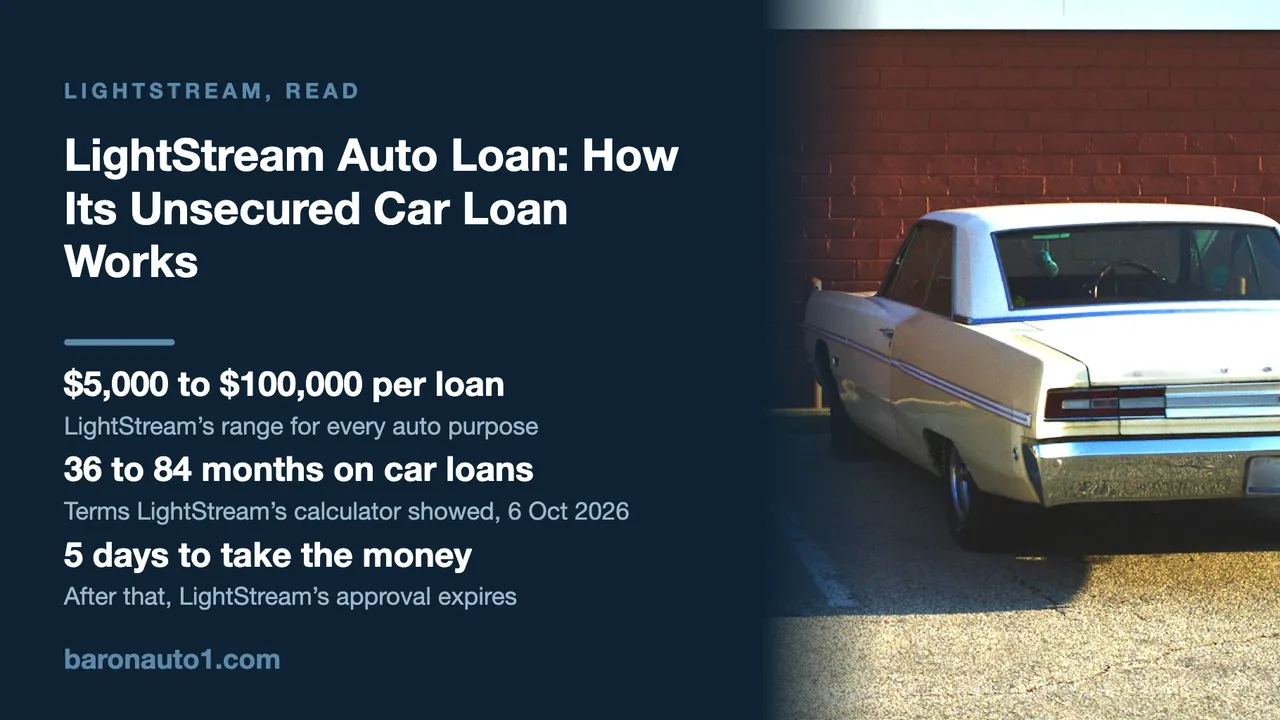 LightStream Auto Loan: How Its Unsecured Car Loan Works · 22 min
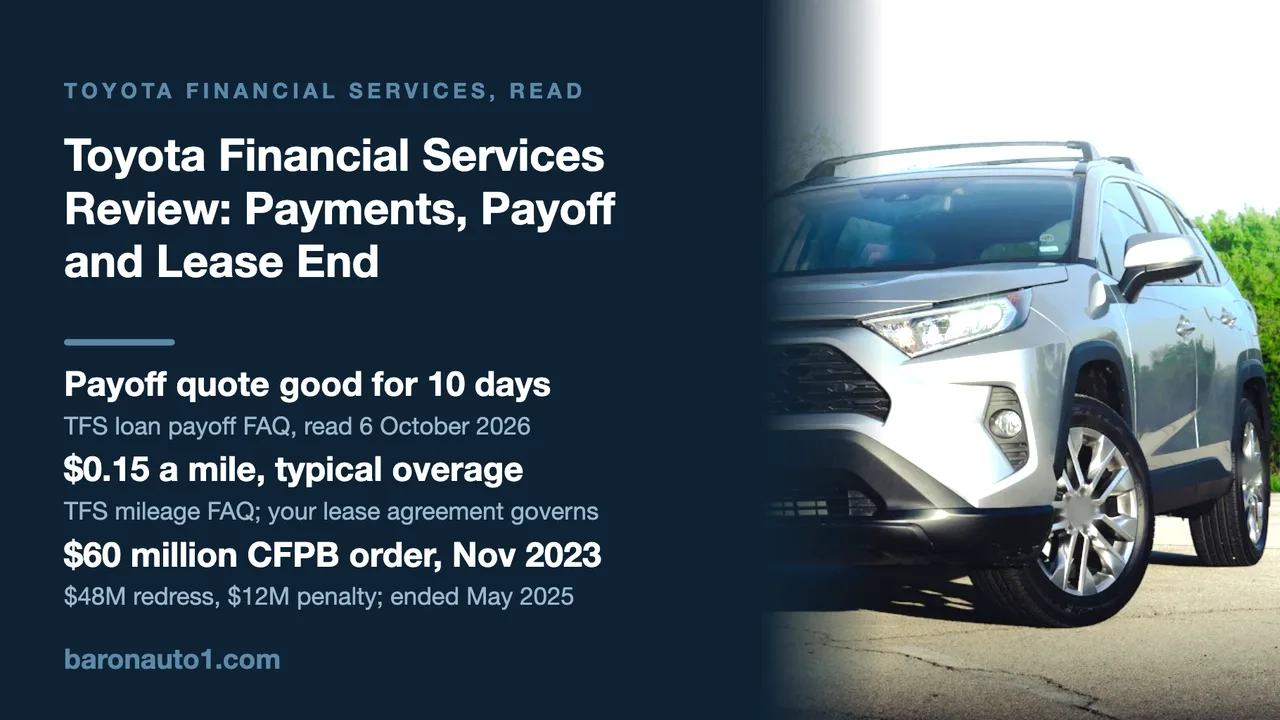 Toyota Financial Services Review: Payments, Payoff and Lease End · 22 min
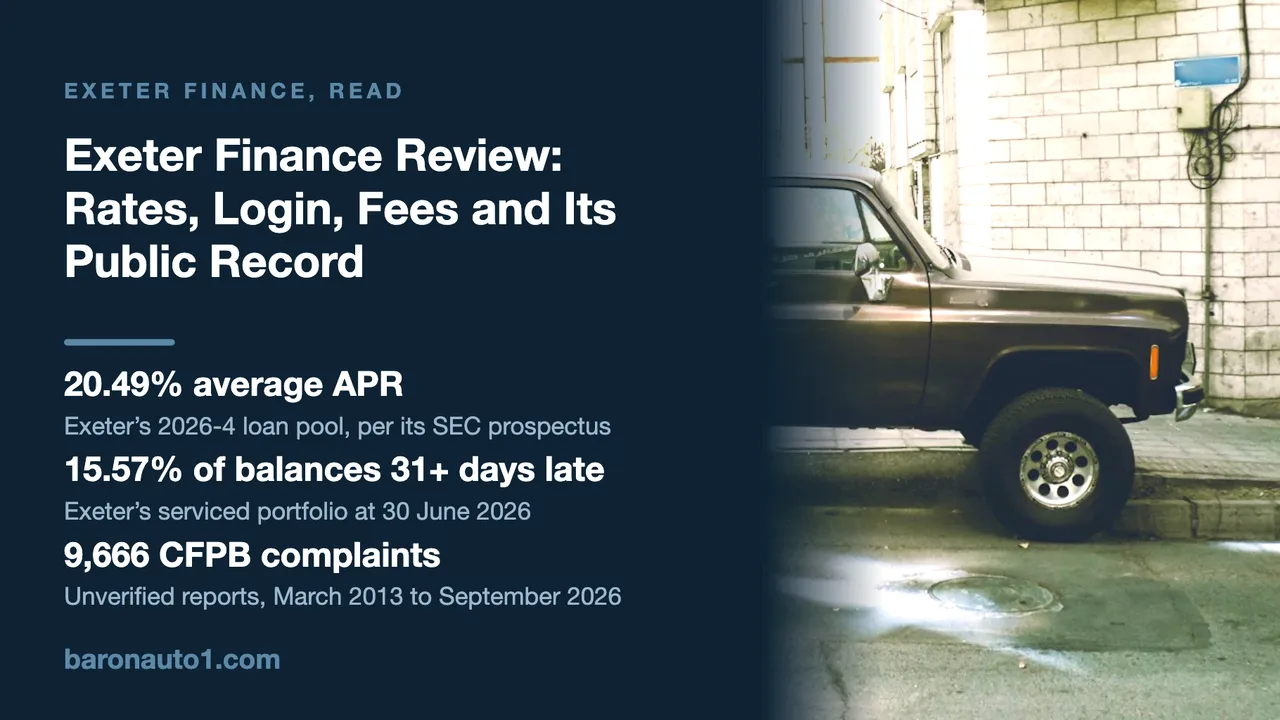 Exeter Finance Review: Rates, Login, Fees and Its Public Record · 22 min
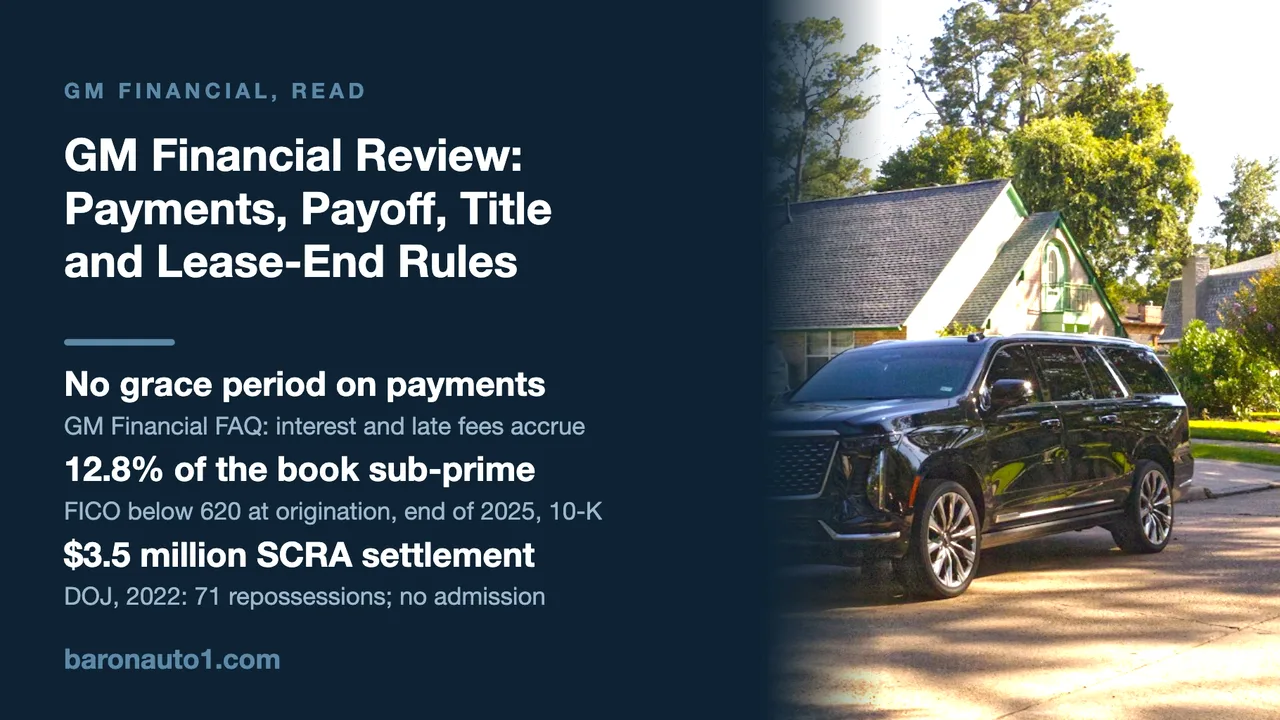 GM Financial Review: Payments, Payoff, Title and Lease-End Rules · 22 min
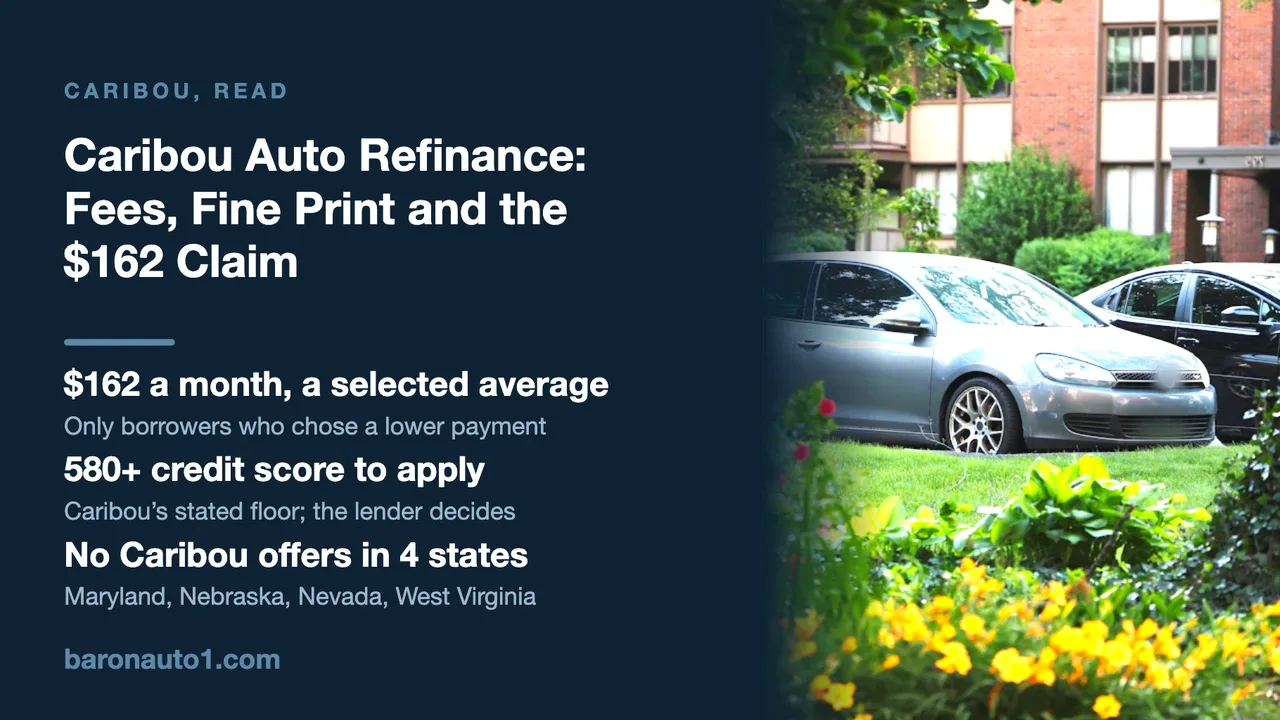 Caribou Auto Refinance: Fees, Fine Print and the $162 Claim · 22 min
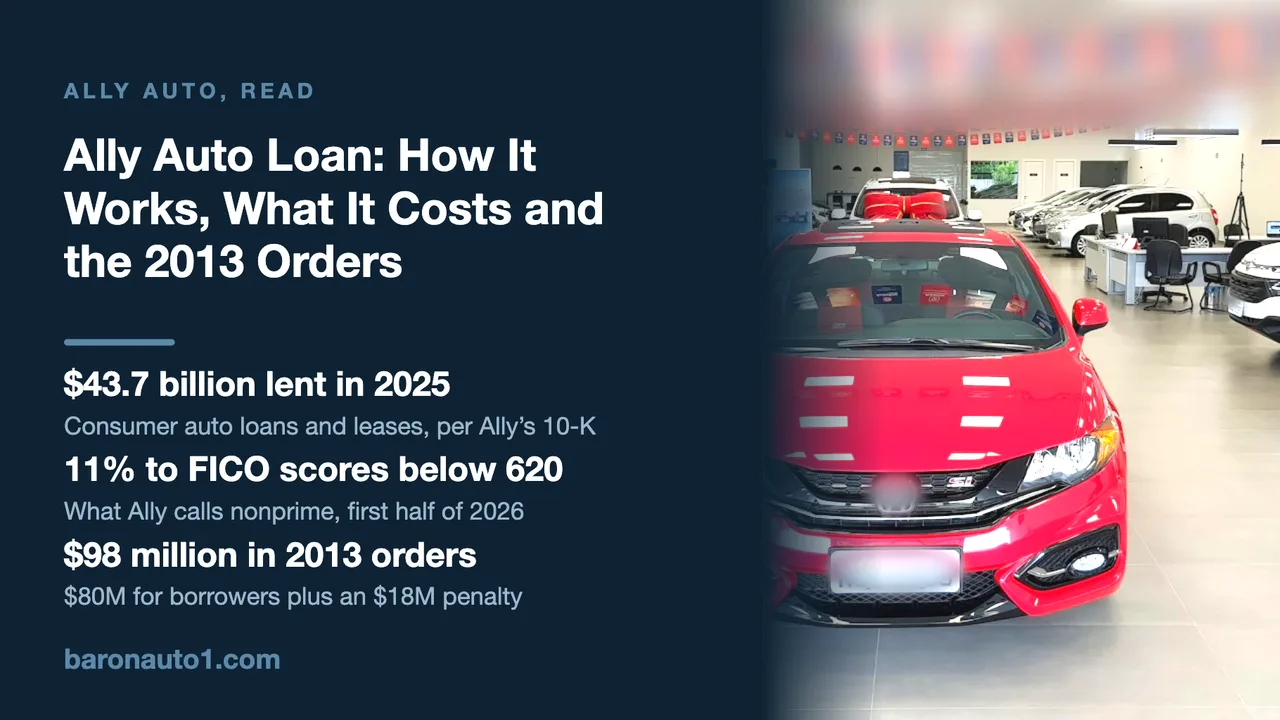 Ally Auto Loan: How It Works, What It Costs and the 2013 Orders · 22 min
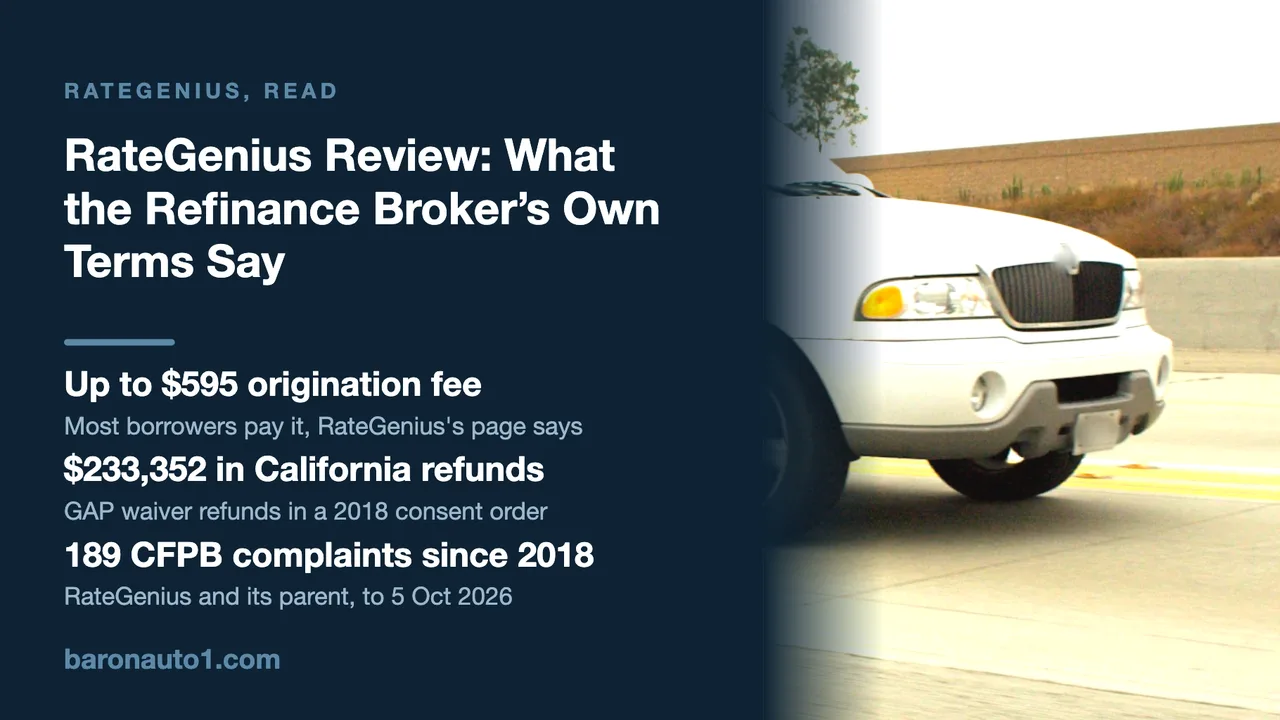 RateGenius Review: What the Refinance Broker’s Own Terms Say · 22 min
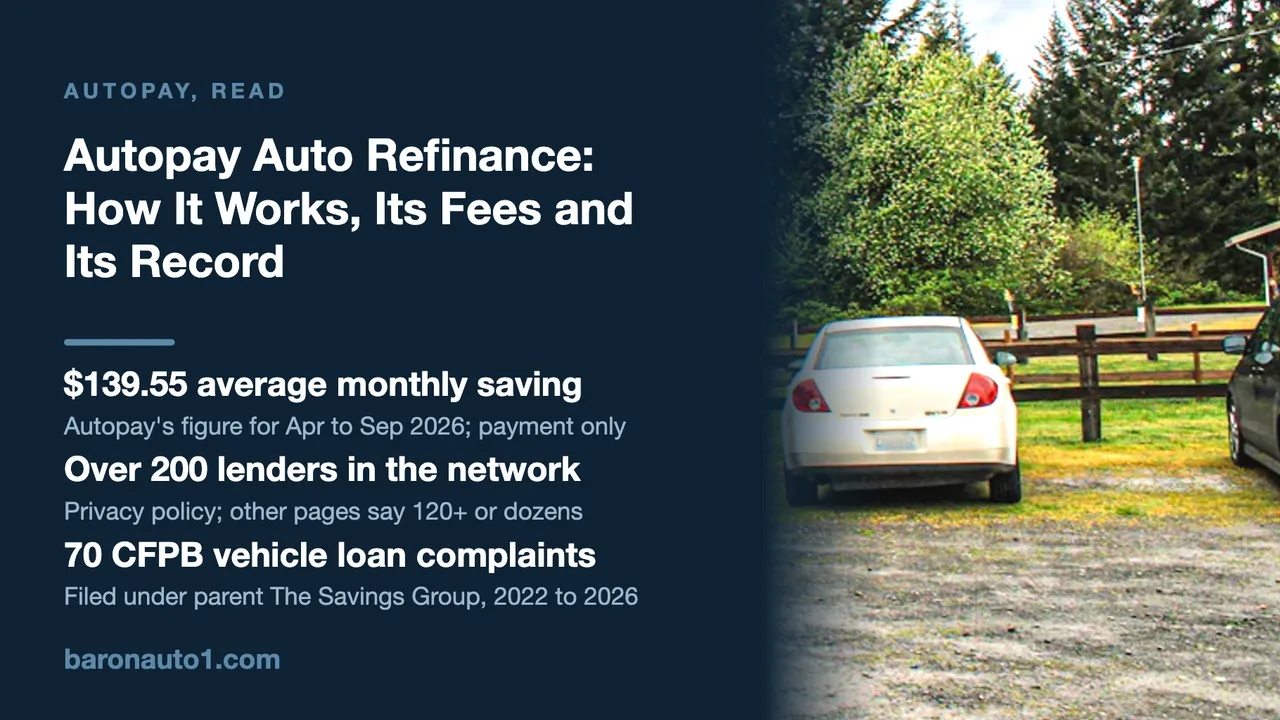 Autopay Auto Refinance: How It Works, Its Fees and Its Record · 22 min
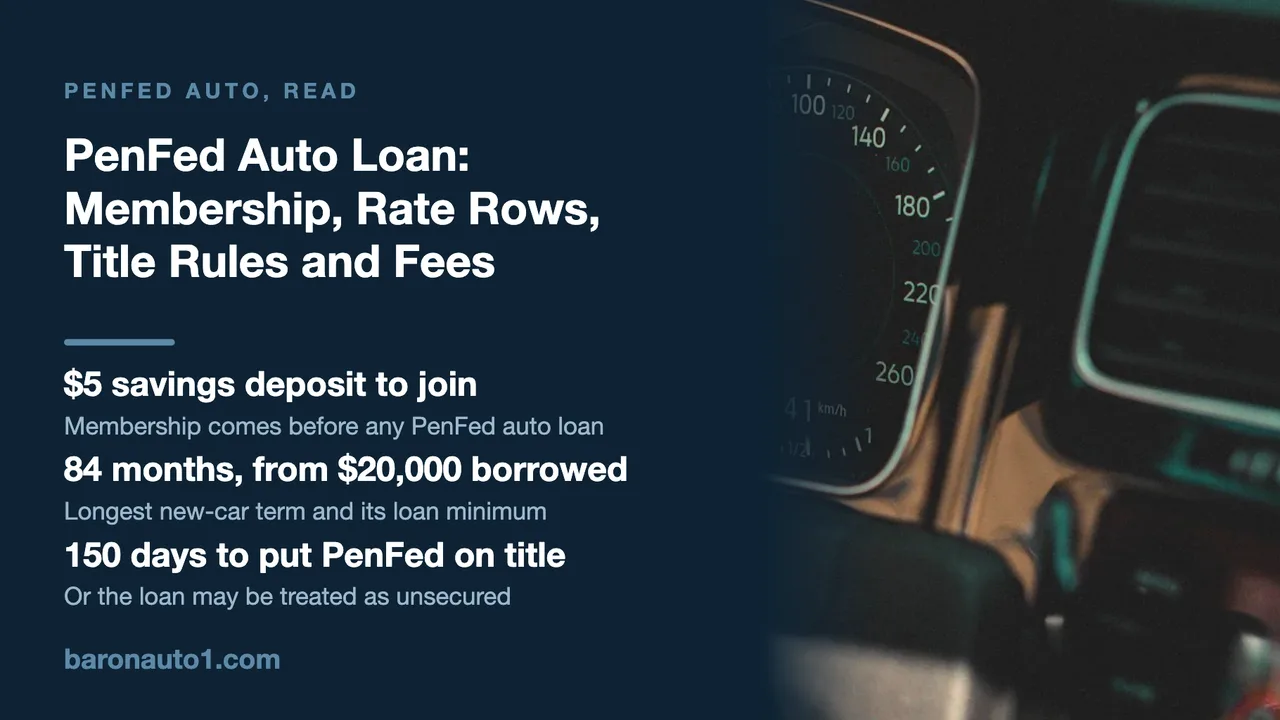 PenFed Auto Loan: Membership, Rate Rows, Title Rules and Fees · 22 min
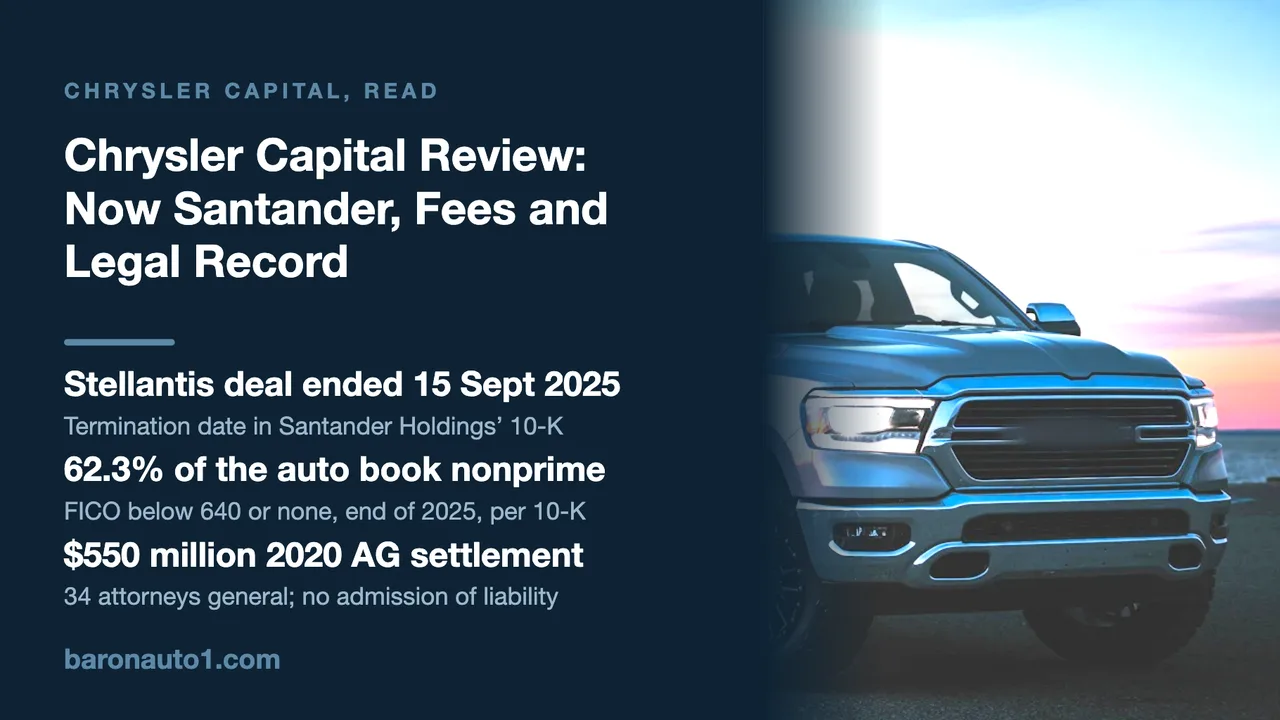 Chrysler Capital Review: Now Santander, Fees and Legal Record · 22 min
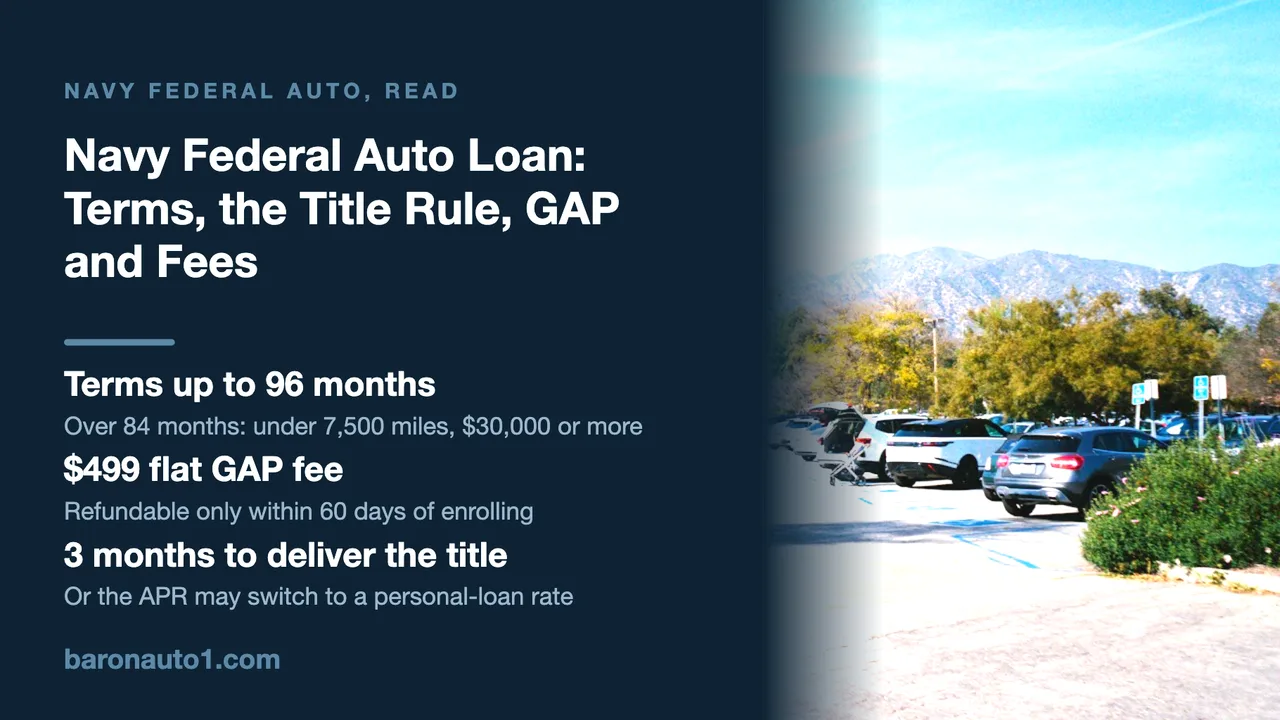 Navy Federal Auto Loan: Terms, the Title Rule, GAP and Fees · 22 min
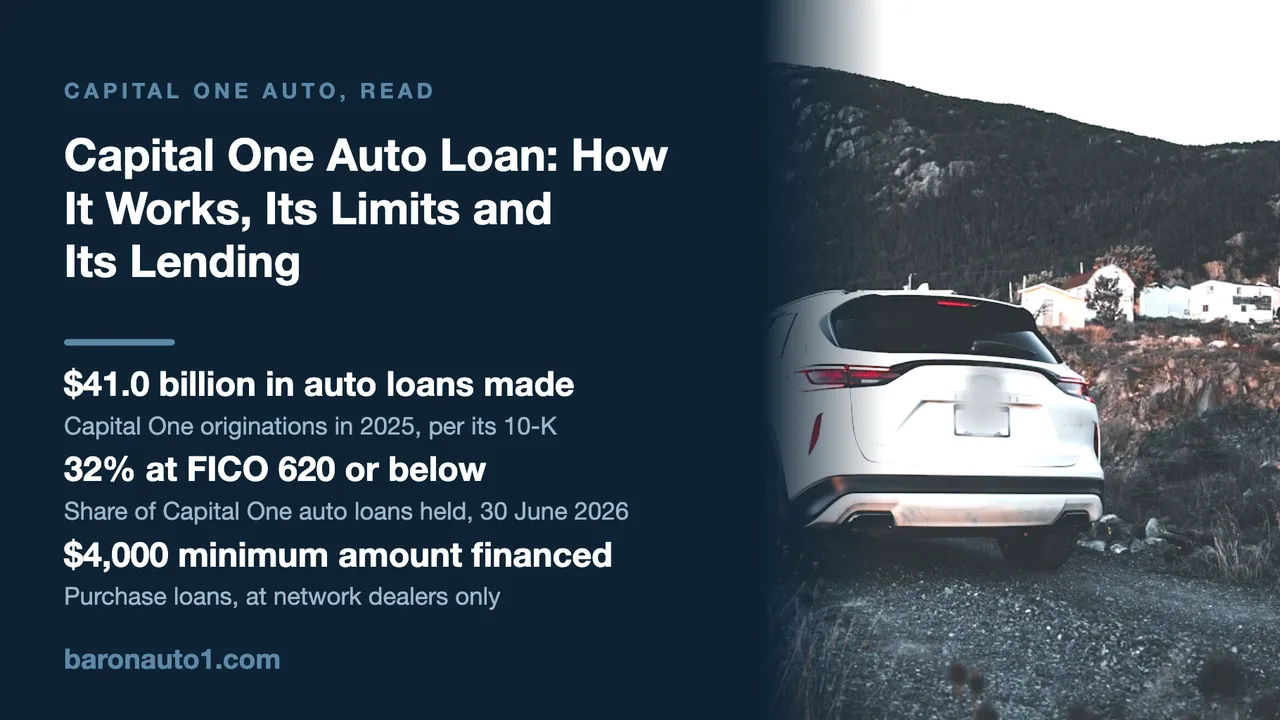 Capital One Auto Loan: How It Works, Its Limits and Its Lending · 22 min
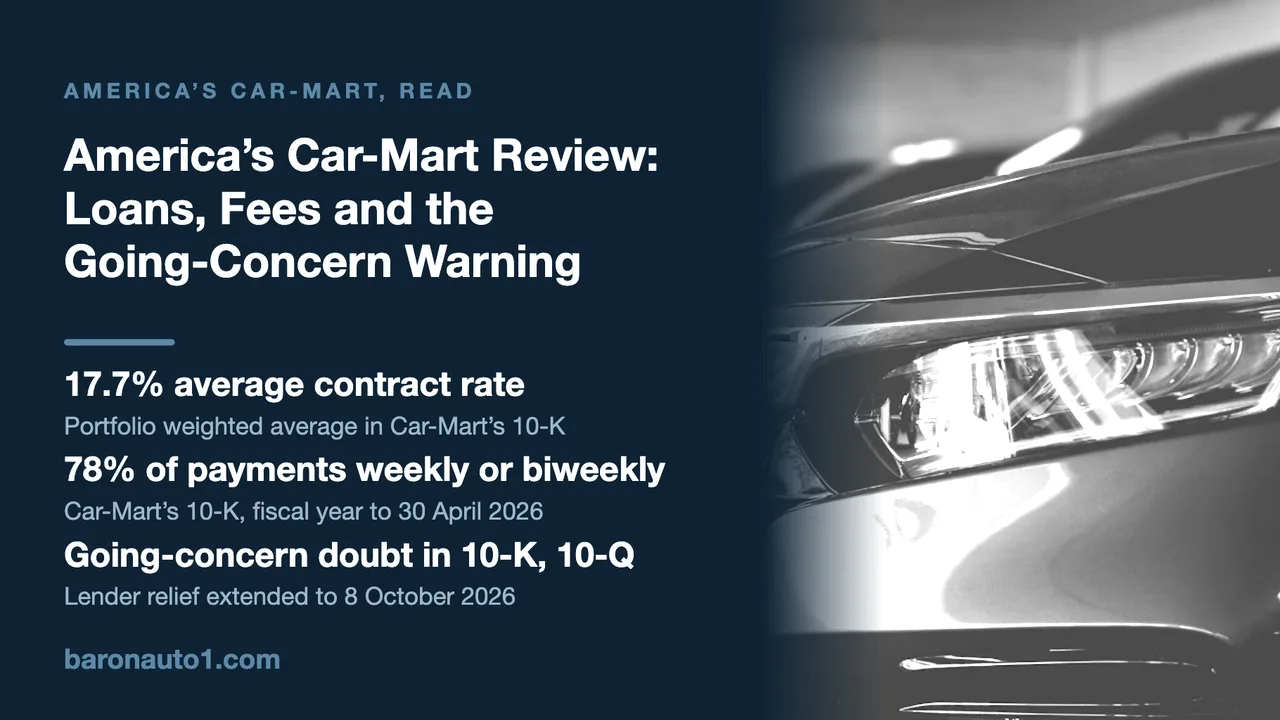 America’s Car-Mart Review: Loans, Fees and the Going-Concern Warning · 21 min
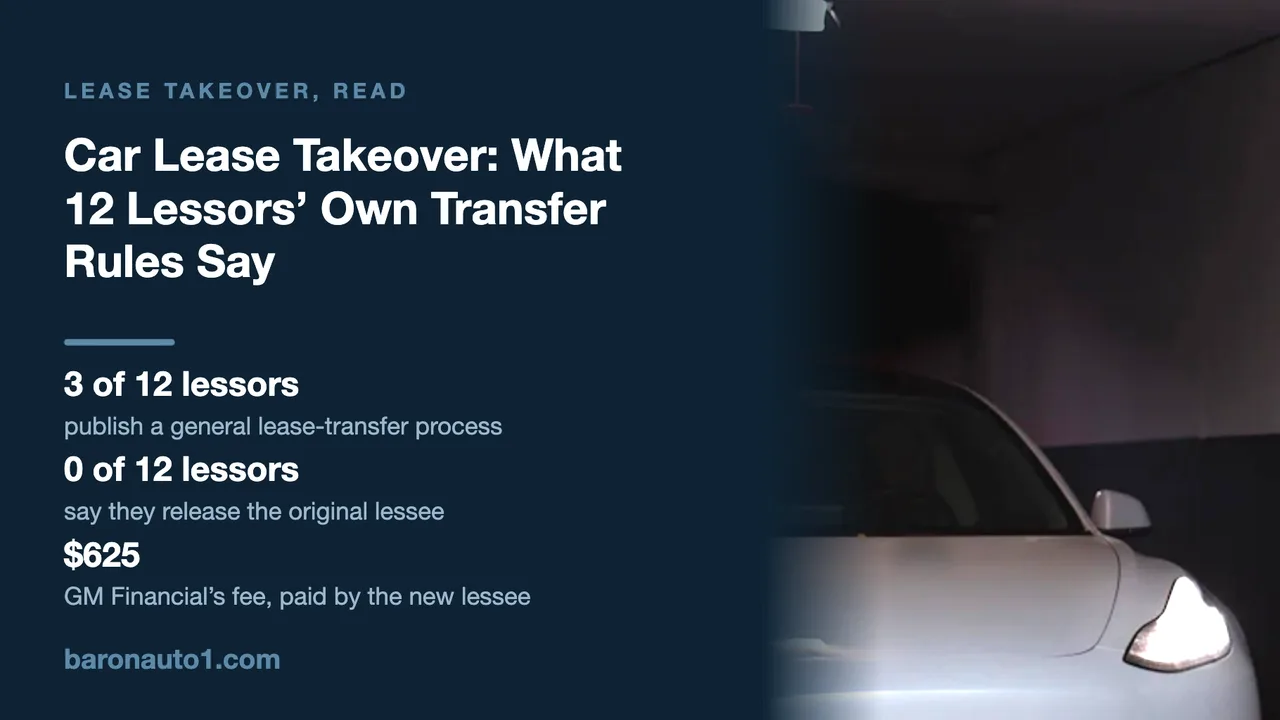 Car Lease Takeover: What 12 Lessors’ Own Transfer Rules Say · 23 min
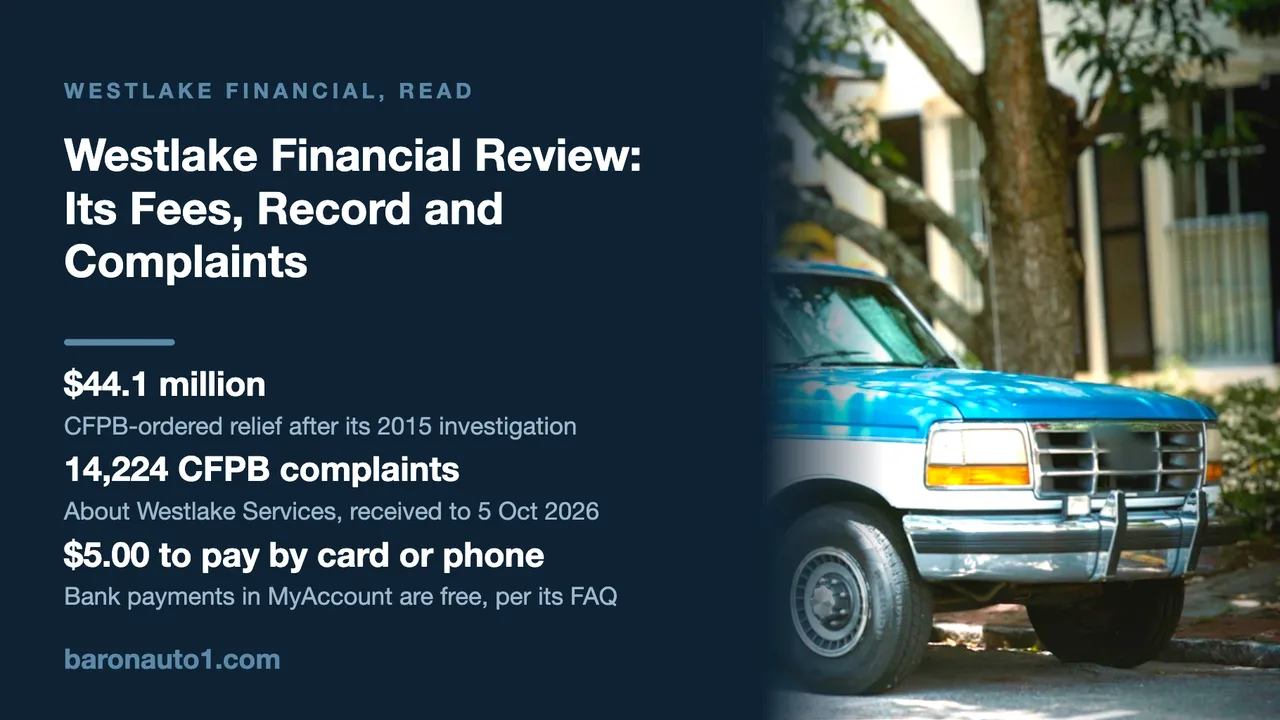 Westlake Financial Review: Its Fees, Record and Complaints · 21 min
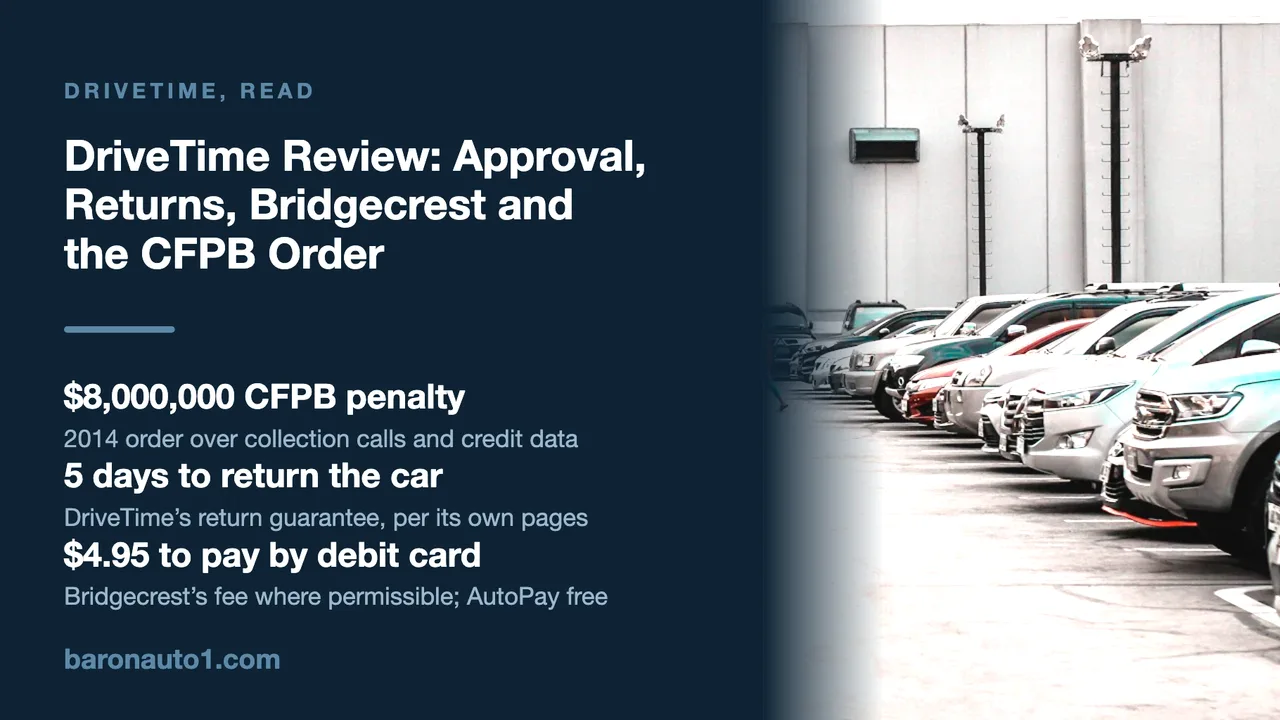 DriveTime Review: Approval, Returns, Bridgecrest and the CFPB Order · 22 min
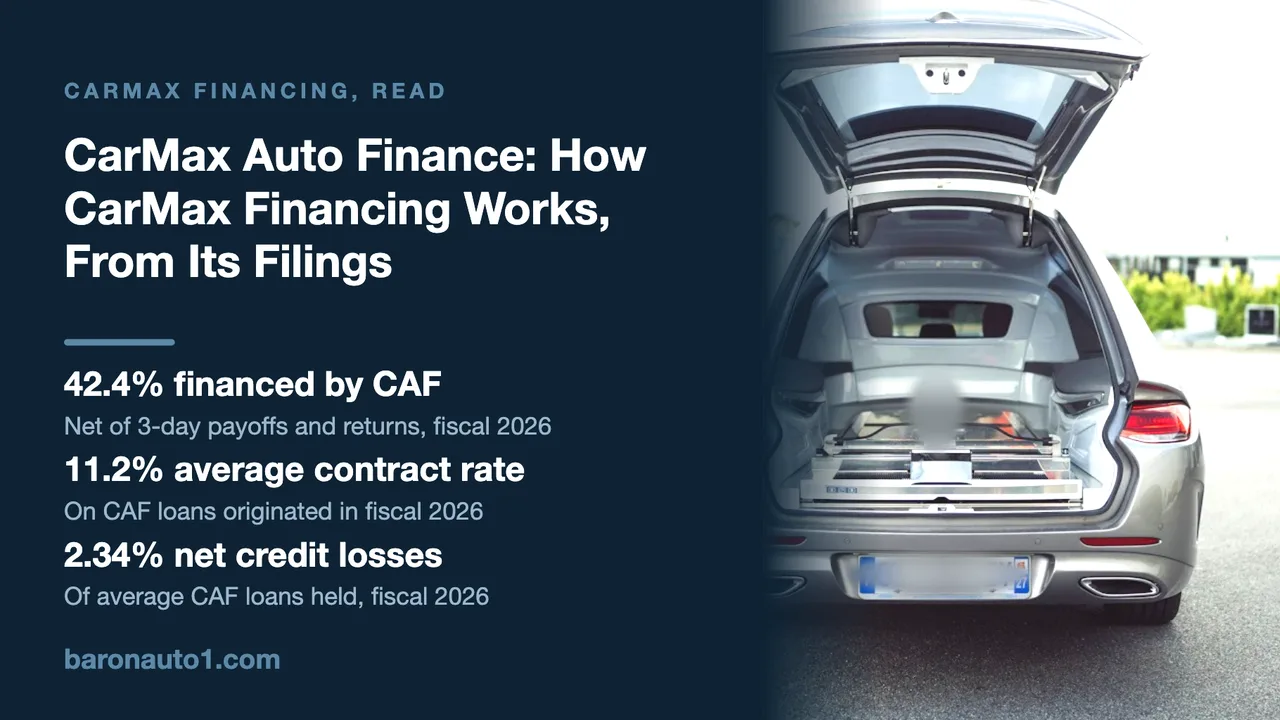 CarMax Auto Finance: How CarMax Financing Works, From Its Filings · 20 min
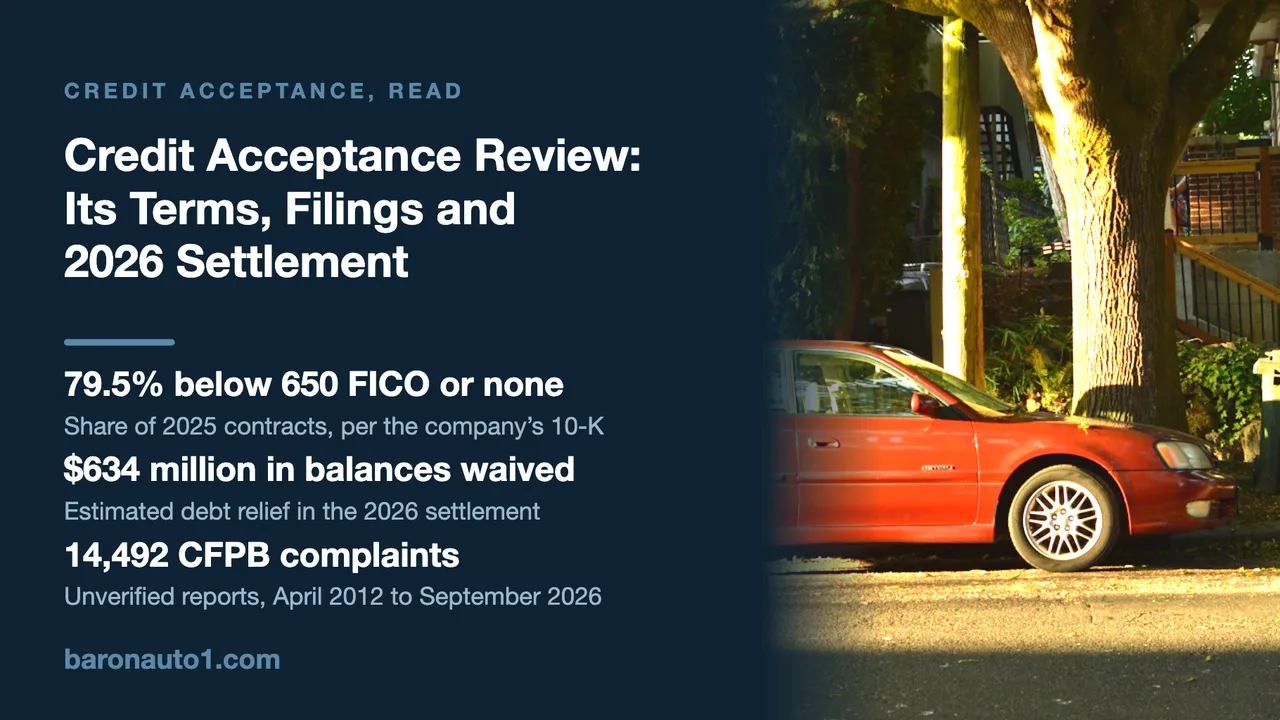 Credit Acceptance Review: Its Terms, Filings and 2026 Settlement · 22 min
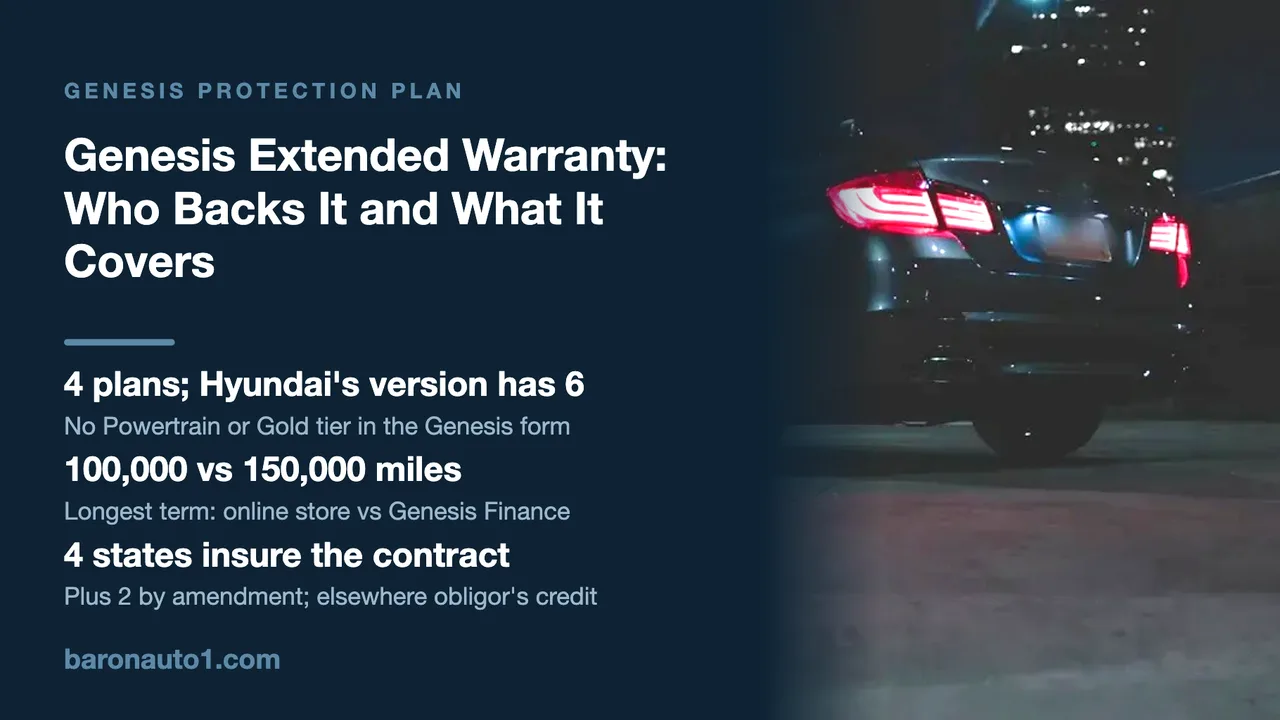 Genesis Extended Warranty: Who Backs It and What It Covers · 23 min
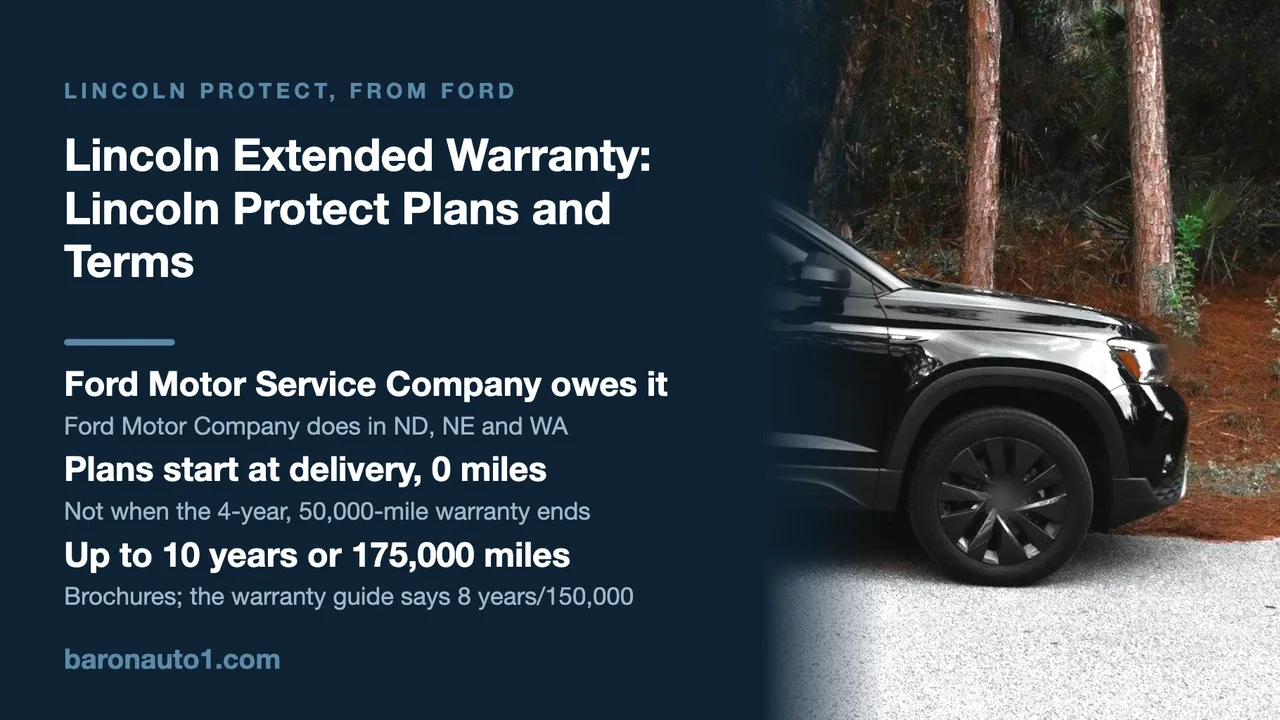 Lincoln Extended Warranty: Lincoln Protect Plans and Terms · 23 min
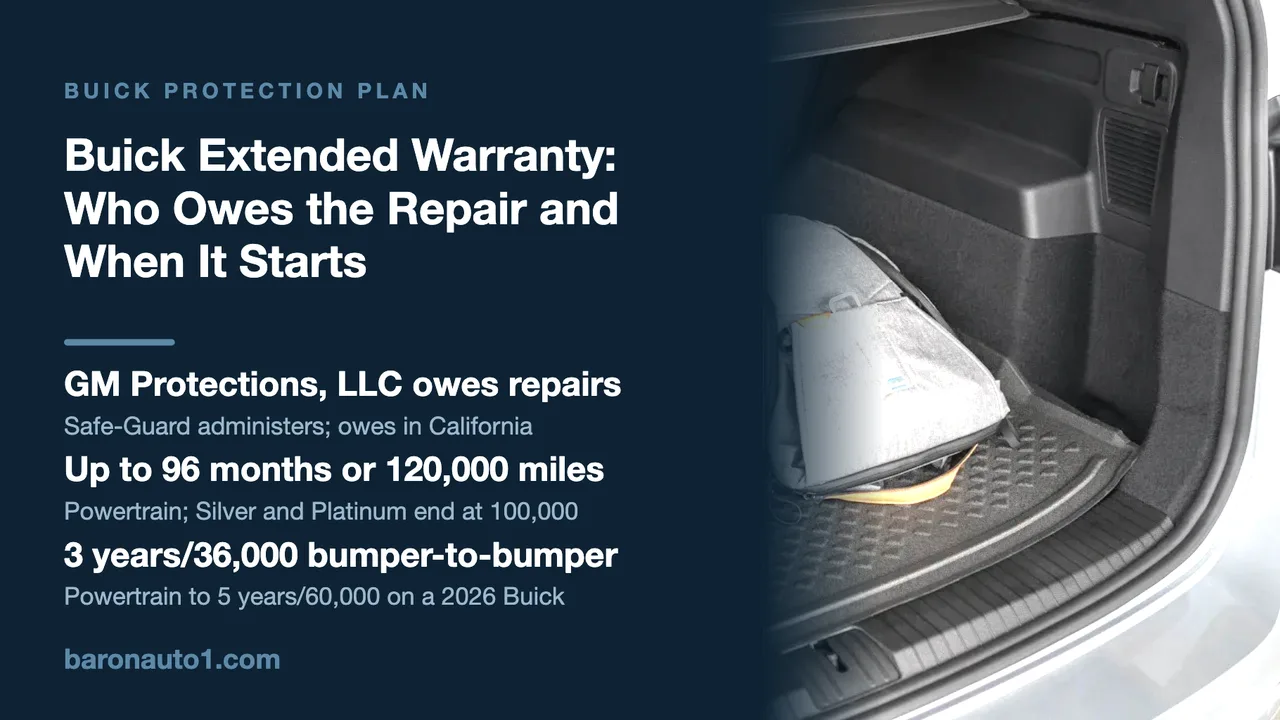 Buick Extended Warranty: Who Owes the Repair and When It Starts · 23 min
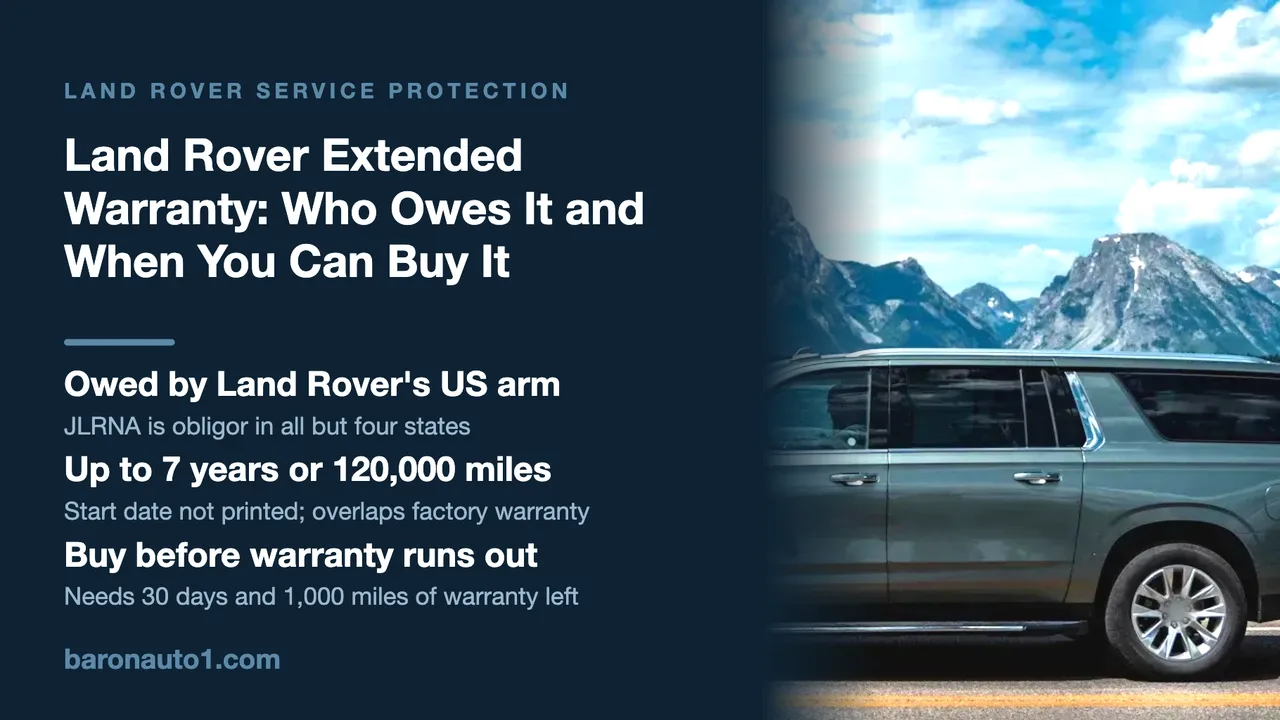 Land Rover Extended Warranty: Who Owes It and When You Can Buy It · 23 min
- Acura Extended Warranty: Who Backs Acura Care, and When It Starts · 23 min
- Cadillac Extended Warranty: Who Owes the Repair and When It Starts · 22 min
- Mazda Extended Warranty: Who Runs It and What Each Plan Covers · 23 min
- Porsche Extended Warranty: Who Owes the Repair and What It Covers · 23 min
- Volvo Extended Warranty: What Volvo Increased Protection Covers · 23 min
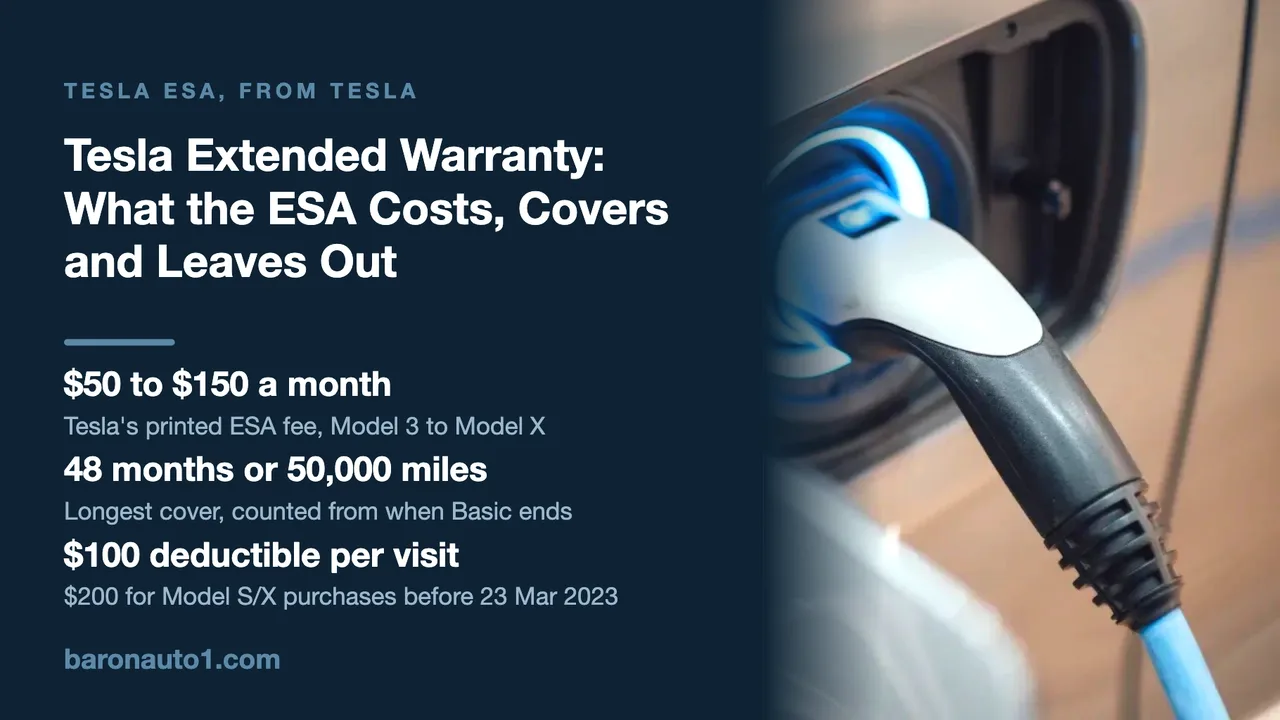 Tesla Extended Warranty: What the ESA Costs, Covers and Leaves Out · 23 min
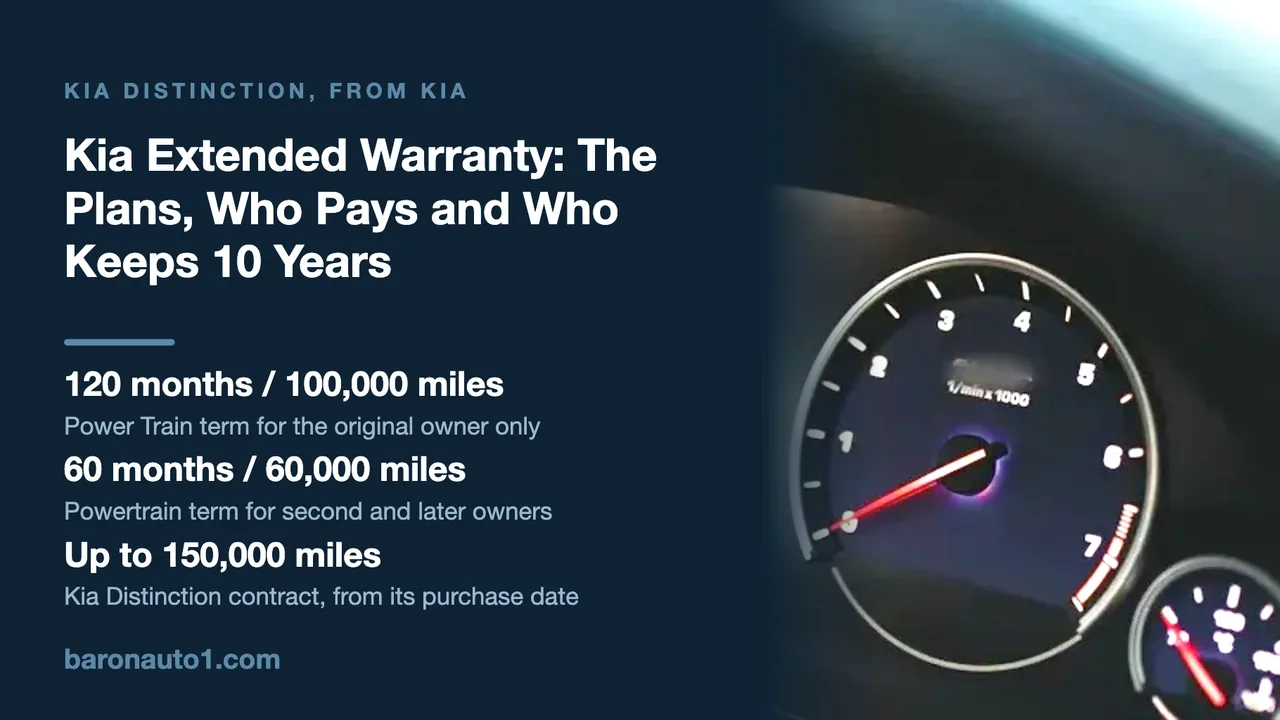 Kia Extended Warranty: The Plans, Who Pays and Who Keeps 10 Years · 25 min
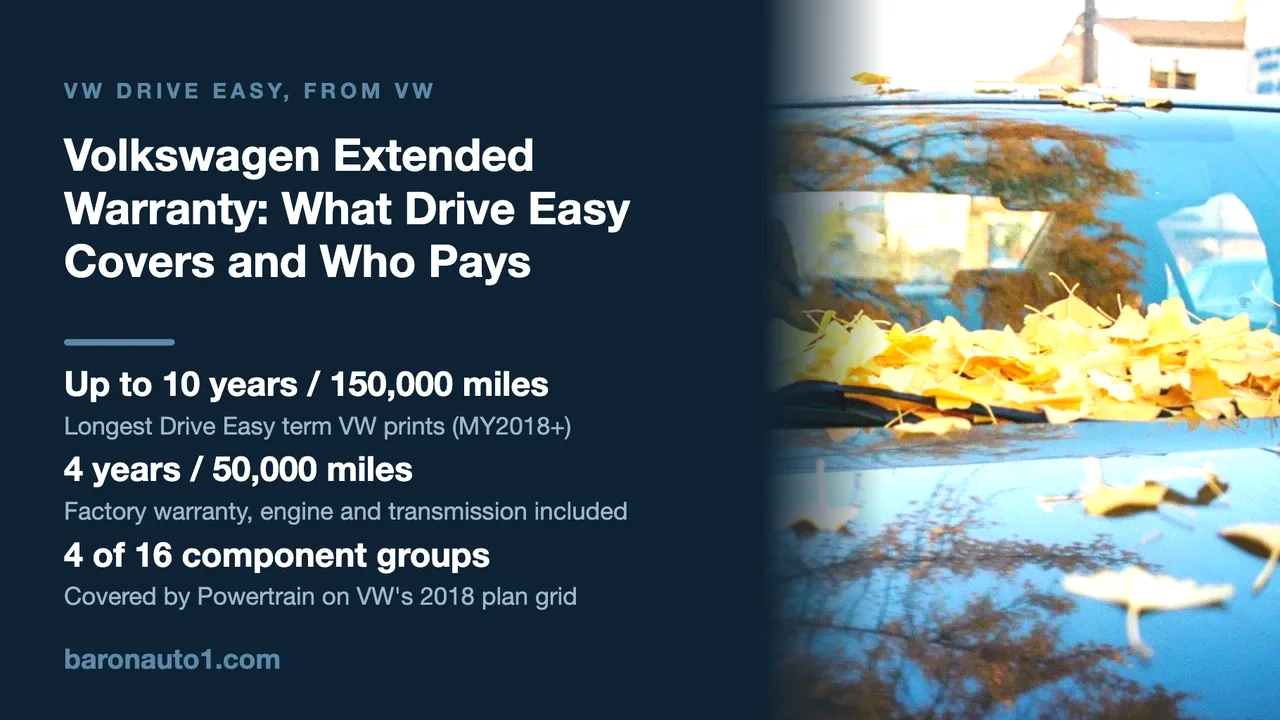 Volkswagen Extended Warranty: What Drive Easy Covers and Who Pays · 23 min
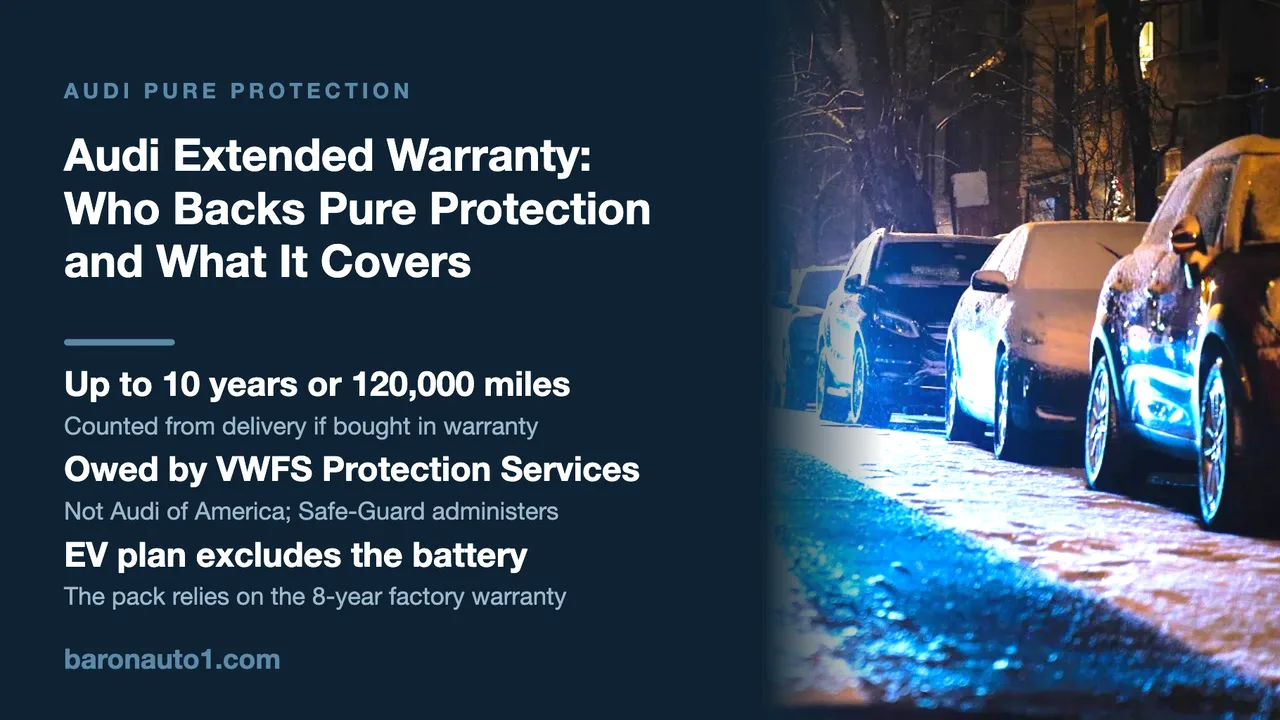 Audi Extended Warranty: Who Backs Pure Protection and What It Covers · 26 min
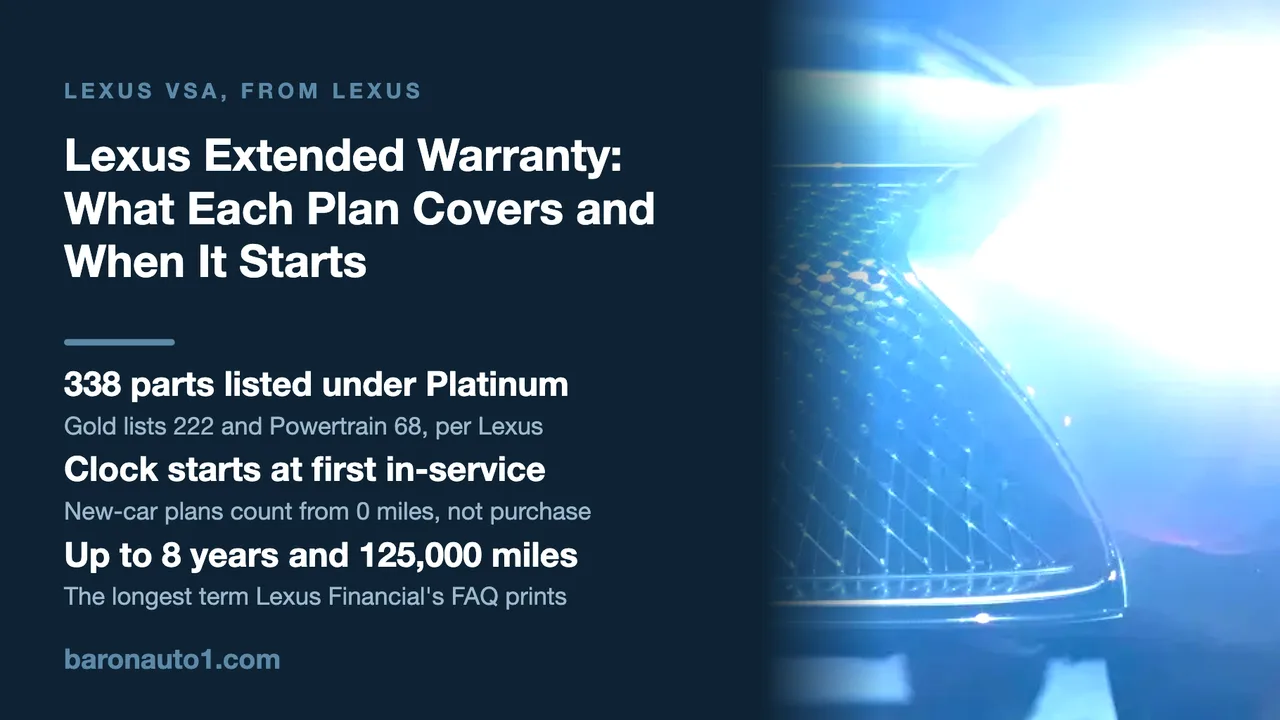 Lexus Extended Warranty: What Each Plan Covers and When It Starts · 23 min
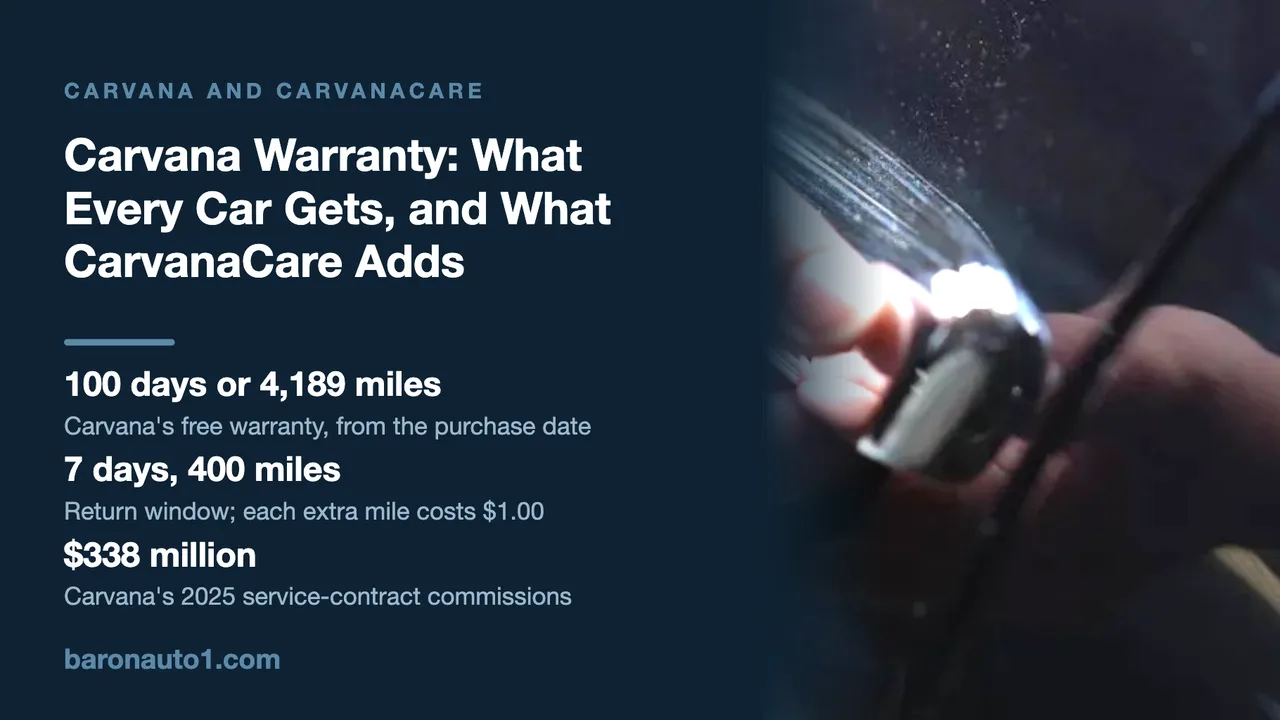 Carvana Warranty: What Every Car Gets, and What CarvanaCare Adds · 27 min
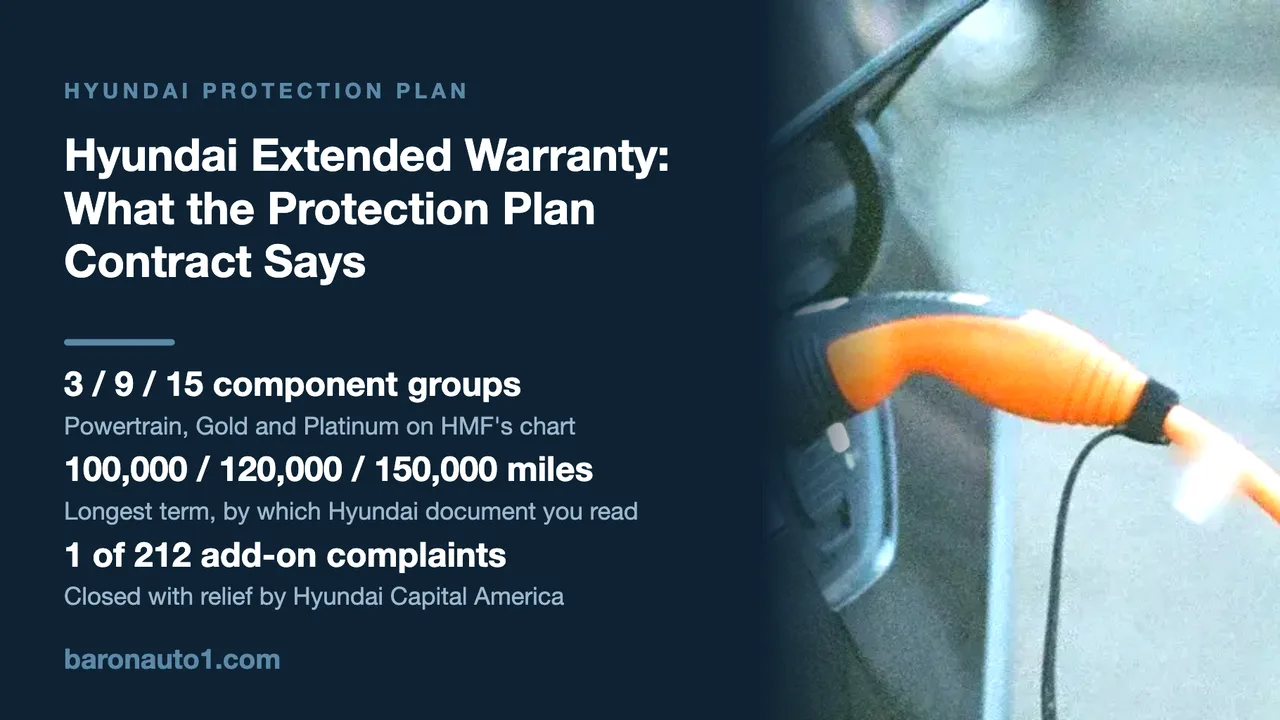 Hyundai Extended Warranty: What the Protection Plan Contract Says · 23 min
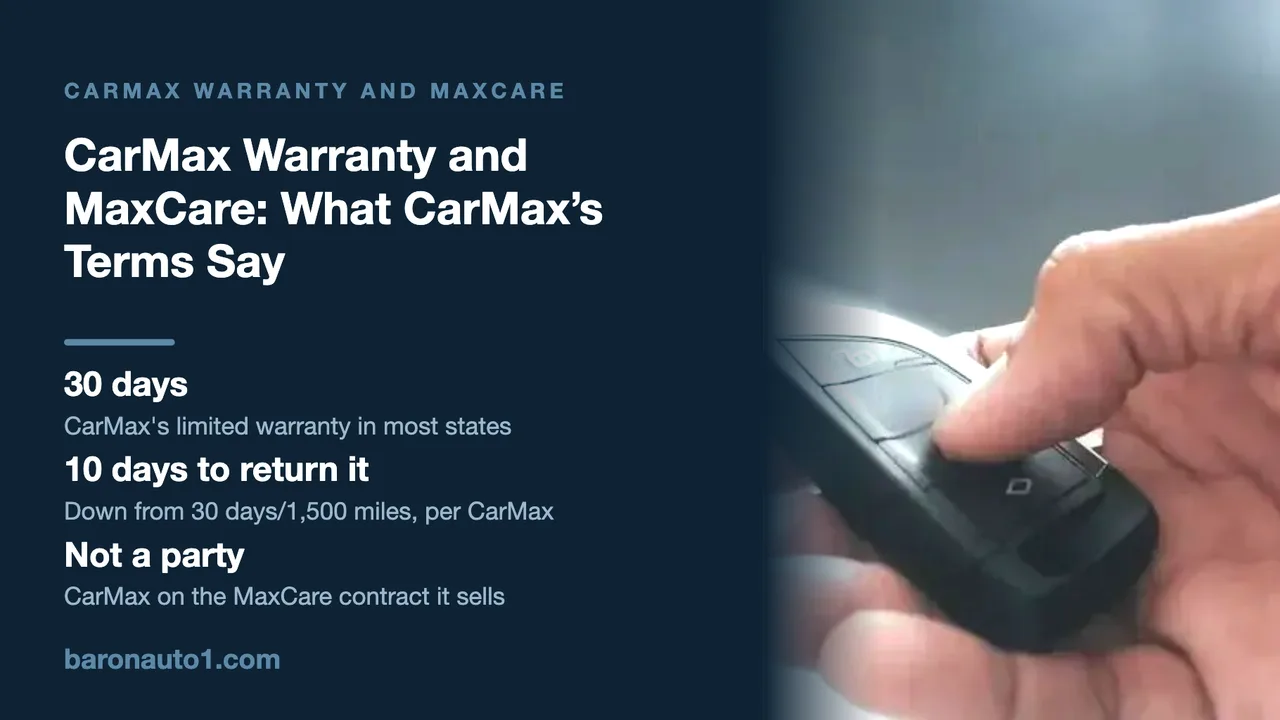 CarMax Warranty and MaxCare: What CarMax’s Terms Say · 25 min
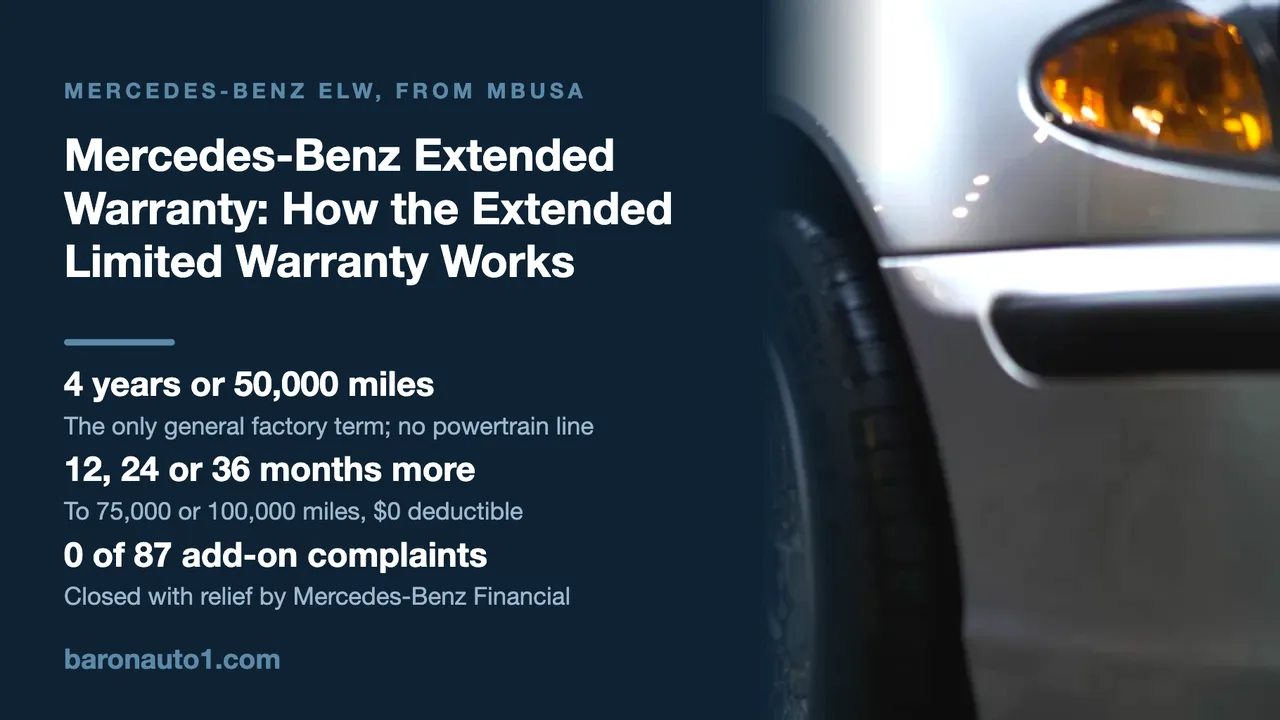 Mercedes-Benz Extended Warranty: How the Extended Limited Warranty Works · 18 min
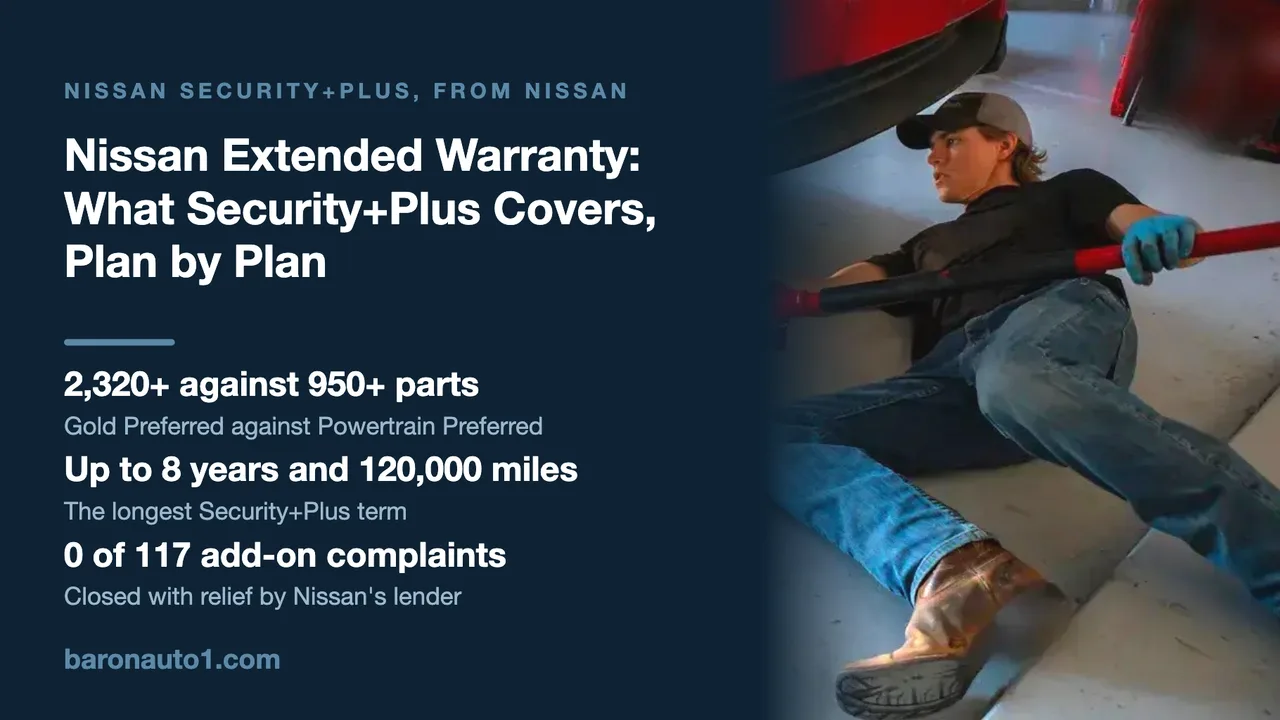 Nissan Extended Warranty: What Security+Plus Covers, Plan by Plan · 20 min
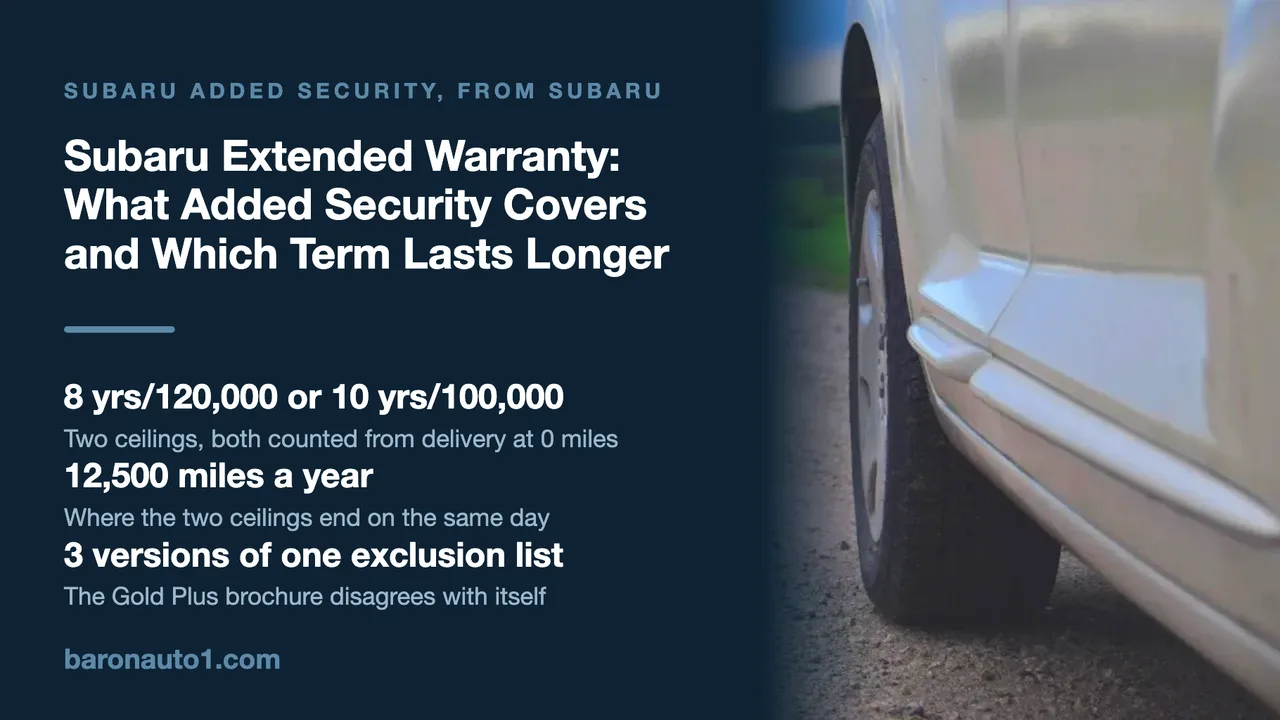 Subaru Extended Warranty: What Added Security Covers and Which Term Lasts Longer · 18 min
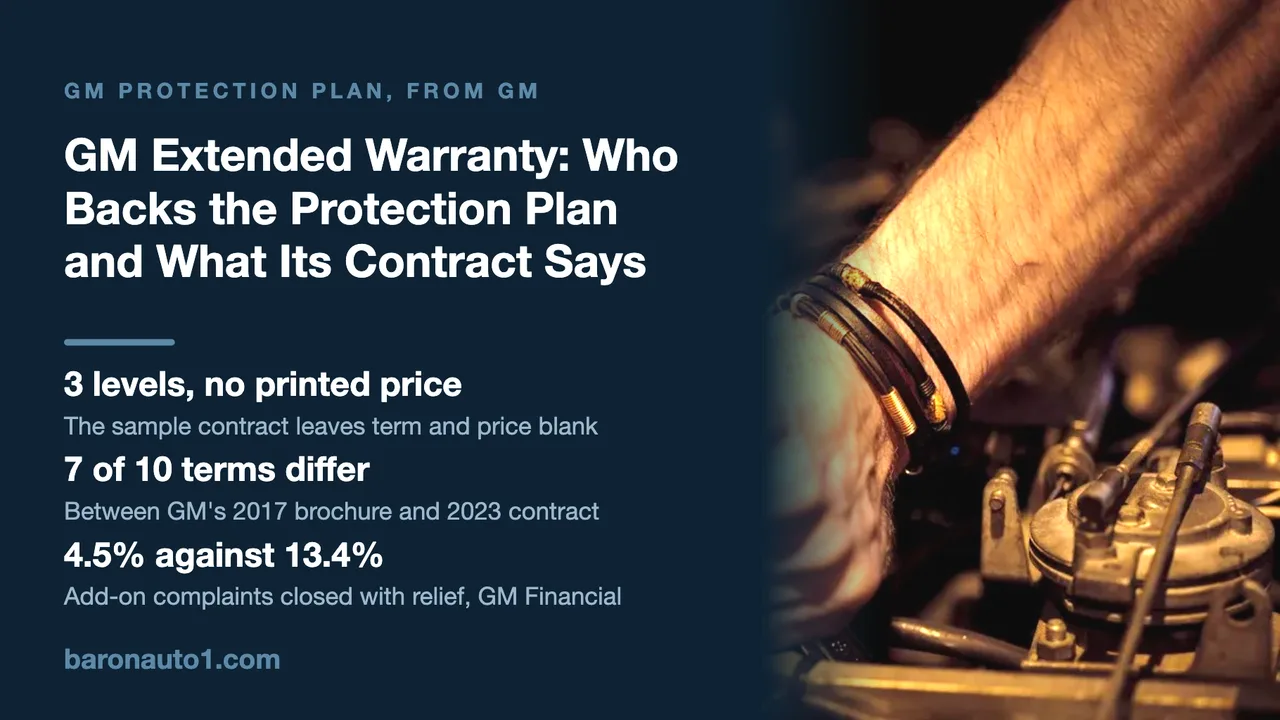 GM Extended Warranty: Who Backs the Protection Plan and What Its Contract Says · 25 min
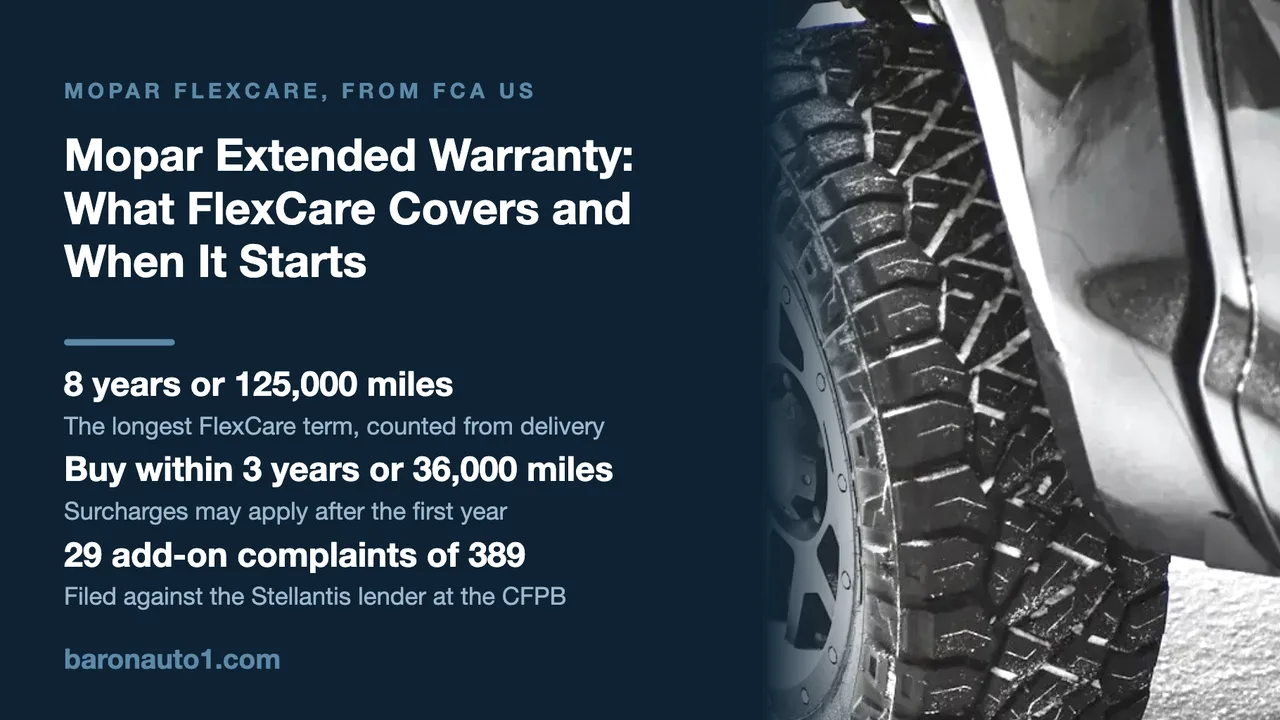 Mopar Extended Warranty: What FlexCare Covers and When It Starts · 26 min
 Honda Extended Warranty: Who Backs Honda Care, and What Its Brochure Leaves Out · 27 min
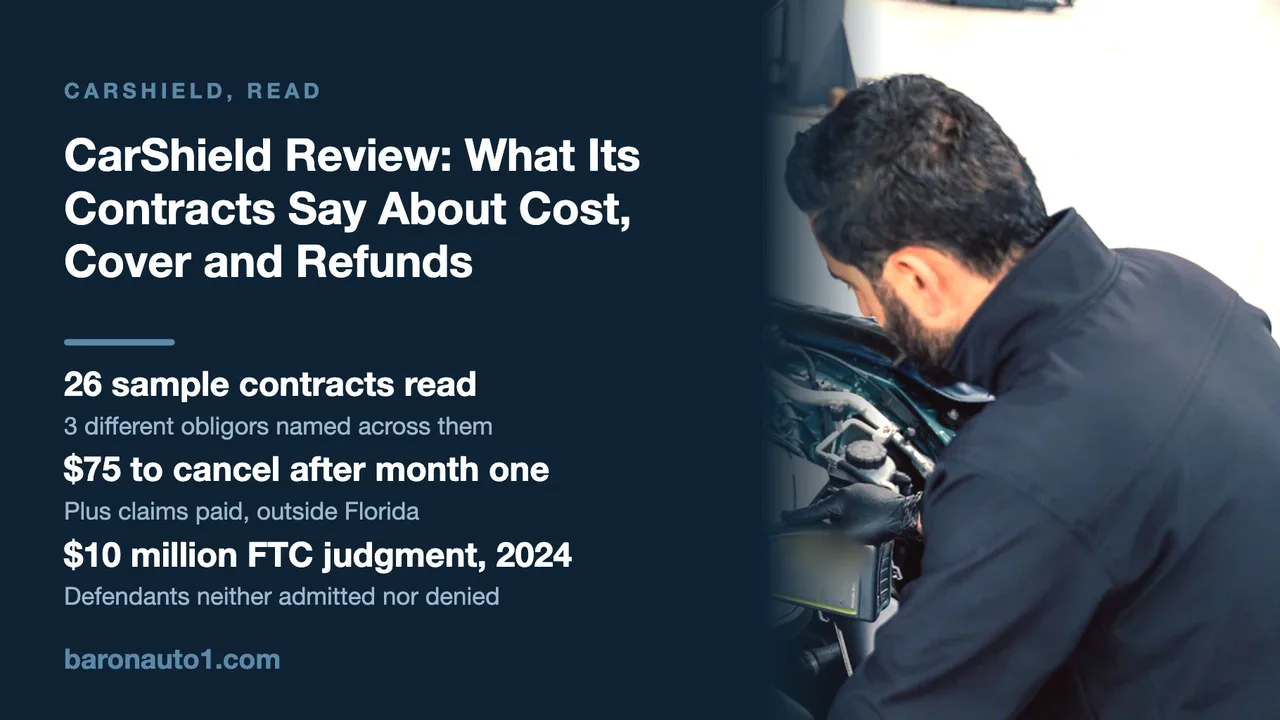 CarShield Review: What Its Contracts Say About Cost, Cover and Refunds · 22 min
 Mechanical Breakdown Insurance: The Extended Warranty That Is Actually Insurance · 7 min
 Extended Car Warranty Cost: What Actually Sets the Price · 7 min
 Gap Insurance: What It Is, How It Works, and When You Need It · 9 min
 Car Repossession: What a Lender Can Do, and What You Still Can · 27 min
 Used Car Loan Rates: The Rate Is One of Three Numbers · 22 min
 Credit Union Used Car Loan Rates: What the Federal Table Says · 29 min
 BMW Extended Warranty: What BMW Already Covers, and What a Contract Adds · 27 min
 Extended Warranty Companies: Who Actually Owes You the Repair · 30 min
 Ford Extended Warranty: What Ford Publishes, and What the Complaint Record Shows · 27 min
 Lease Buyout: What It Really Costs to Exercise the Purchase Option · 29 min
 Toyota Extended Warranty: Reading What Toyota Actually Publishes · 26 min
 Zurich Extended Warranty: Who Actually Owes You the Repair · 29 min
 Endurance Extended Warranty: Who Owes You the Repair, State by State · 31 min
 Used Electric Car Tax Credit: What Section 25E Said, and When It Ended · 26 min
 Used Car Financing Rates: The Published Figure Is a Floor · 28 min
 How Much Car Can I Afford? The Payment Is the Wrong Unit · 24 min
 Buy Here Pay Here: What It Costs and What to Ask · 30 min
 Lease vs Buy: The Two-Way Comparison Leaves One Out · 35 min
- Is an Extended Warranty Worth It on a Used Car? · 17 min
 Private Party Auto Loans: What They Cost and How They Work · 14 min
 Refinancing a Car Loan: When It Saves Money and When It Costs You · 15 min
 Car Loan Pre-Approval: What It Is Worth and What It Is Not · 15 min
 Negative Equity on a Car Loan: What It Costs and What Fixes It · 14 min
 What Are Dealer Fees? Which Ones Are Real and Which Are Negotiable · 15 min
 Is GAP Insurance Worth It? The Arithmetic and the Fine Print · 17 min
 Cosigning a Car Loan: What You Are Actually Signing · 18 min
 What Credit Score Do You Need to Buy a Car? · 19 min
Why the financing office costs more than the car
Most buyers negotiate hard on price and then relax. The finance and insurance office is where that relaxation gets monetised, because the levers there are less visible and the sums are larger than they look. A percentage point of interest on a five-year loan is not a rounding error, and a back-end product sold as “only a few dollars a month” is a four-figure number wearing a disguise.
We have not published our full financing guides yet — they are in production, and we would rather publish one properly researched piece than five thin ones. In the meantime, here is what actually matters, and where to get independent answers.
Get your own approval before you shop
A pre-approval from your own bank or credit union does two things. It tells you what rate you actually qualify for, and it turns the dealer’s finance quote into a competing offer rather than the only offer. Dealers can and do beat outside approvals — that is fine, and it is exactly the outcome you want. What you are avoiding is walking in without a number, because then whatever they quote sounds like the market rate.
Negotiate three things separately
The price of the car, the value of your trade-in, and the terms of the loan are three separate negotiations that get deliberately tangled into one monthly payment. A payment can be made to look attractive by stretching the term, which costs you more in total and puts you underwater for longer. Agree the vehicle price first, in writing. Then the trade. Then the finance.
Read the back end before you sign it
Extended warranties, gap coverage, paint and fabric protection, key replacement and etch packages are all optional, all negotiable, and all far more profitable to the seller than the car was. Some have genuine value in specific circumstances — gap coverage on a long loan with a small deposit, for instance. Most are sold on the fact that you are tired and the number is buried in a monthly figure.
Understand what a credit tier does
The same vehicle, the same term and the same deposit produce very different total costs across credit tiers. Before you shop, check your credit report and correct any errors on it. That is free, and it is the single highest-return hour in the whole process.
Independent guidance worth reading
The Consumer Financial Protection Bureau publishes auto lending guidance that has no product to sell you, which makes it a better starting point than any lender’s website:
- CFPB auto loan resources — how dealer-arranged financing works, what to compare, and the questions to ask before signing.
- CFPB consumer complaint database — search a lender, warranty administrator or servicer by name before you sign with them. It is public, free, and frequently sobering.
- FTC Used Car Rule — the Buyers Guide a dealer must display, which becomes part of your sale contract and overrides anything a salesperson says.
Before you finance anything, verify the car
A loan on a car with a branded title, an open safety recall or an odometer discrepancy is a bad loan regardless of the rate. The verification comes first, and all of it can be done before you talk to anybody about money:
- How to check a used car’s history before buying — the full seven-step sequence, five steps of which cost nothing.
- How to check a used car for open recalls — free, about two minutes, and the remedy is free for the life of the vehicle.
- Buying a used luxury car — where the purchase price is the smallest number in the transaction, and why the maintenance reserve matters more than the rate.
- Used car maintenance guide — the running costs that need to fit in the same monthly budget as the payment.
If you are buying in New York, the state adds its own requirements on title, tax and inspection — see our New York and Long Island section.