Harley-Davidson VIN Decoder: 369 Models Through Four Codes
The purest register on the site: the prefix is a formality and the payload is everything after it — on machines whose identities separate into parts.
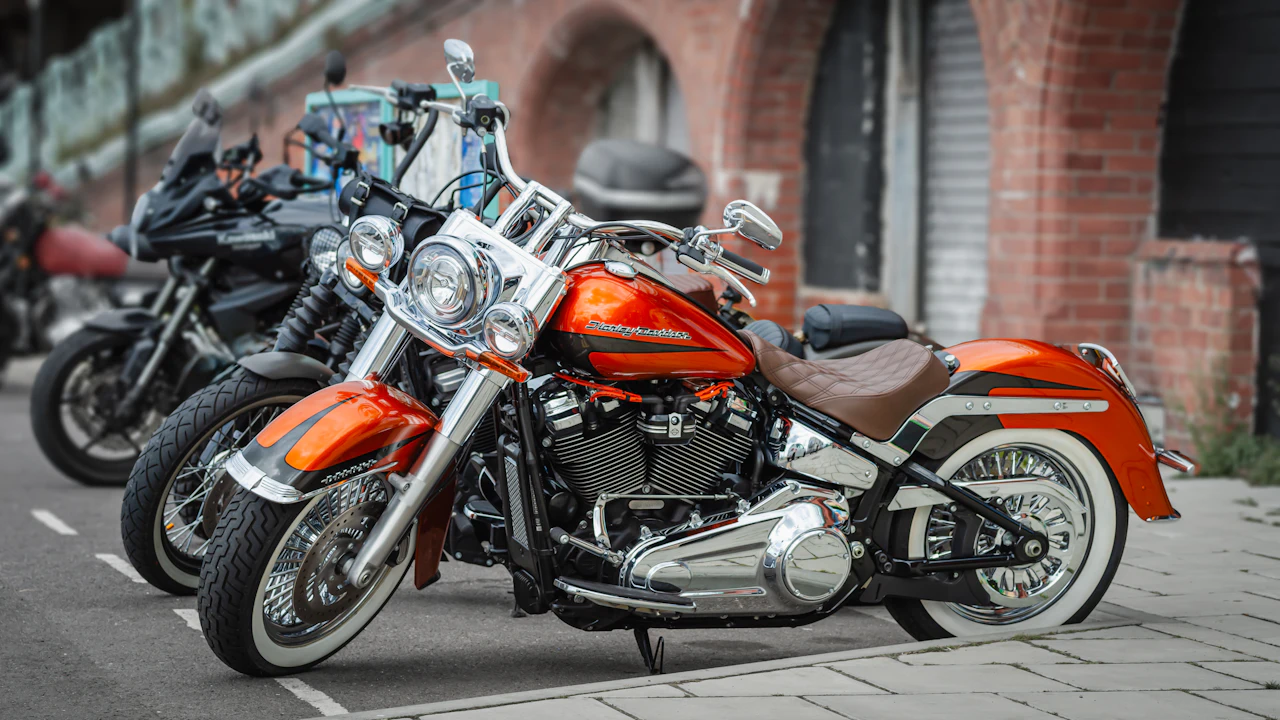
The short version
- Harley-Davidson’s register is four build codes carrying three hundred and sixty-nine model lines — the most extreme models-per-code ratio anywhere on this site.
- Every one of those lines files in a single vehicle class: Motorcycle. The register has no car-style spread to read; all the information is in the middle of the number.
- The registrants are the motor company itself in the United States, a Brazilian operation, and an off-road entity — the register quietly recording that the company’s recent history includes builds outside Milwaukee’s orbit.
- Motorcycle numbers follow the same seventeen-character federal standard as cars, but the middle positions are read to a bike-specific scheme — car lore about “what position five means” does not transfer.
- Bikes are also where cloned and reassigned identities concentrate, because frames, engines and titles separate more easily than a car’s ever do.
- As always: the decode is the build. History is retrieved — and for motorcycles the retrieval systems are thinner, which changes the checklist more than people expect.
This is the only single-class register on this site: three hundred and sixty-nine model lines, four codes, one vehicle type. Reading it teaches something none of the car registers can — what the seventeen-character system looks like when a maker’s entire universe is motorcycles, and what a buyer should do differently because of it.
Four codes, three names
The register lists the Harley-Davidson Motor Company’s American code, a Brazilian operation filing its own, and an off-road entity registered separately. Four codes in all — and through them, a model count that dwarfs makes holding ten times the prefixes.
Single-class filing also means the type field, so useful for sorting other makes’ registers, does no work here at all: every decode returns Motorcycle, and the discrimination burden shifts entirely onto the middle positions and the year letter. It is the purest example on this site of a register where the prefix is a formality and the payload is everything after it.
The ratio is the story. A registrant’s three-character prefix is a door, not a description; behind Harley’s few doors sits a century of model lines, each needing its own middle-block identity. In practice that means the first three characters of a Harley number tell you almost nothing except which legal entity assigned it — and everything a buyer actually cares about, from family to engine to model year, lives from position four onward.
The Brazilian and off-road entries earn their place on the register the same way every entry on every make page has: legal builders file. A bike assigned its number by the Brazilian operation says so in its first characters, whatever dealer badge was on the showroom door.
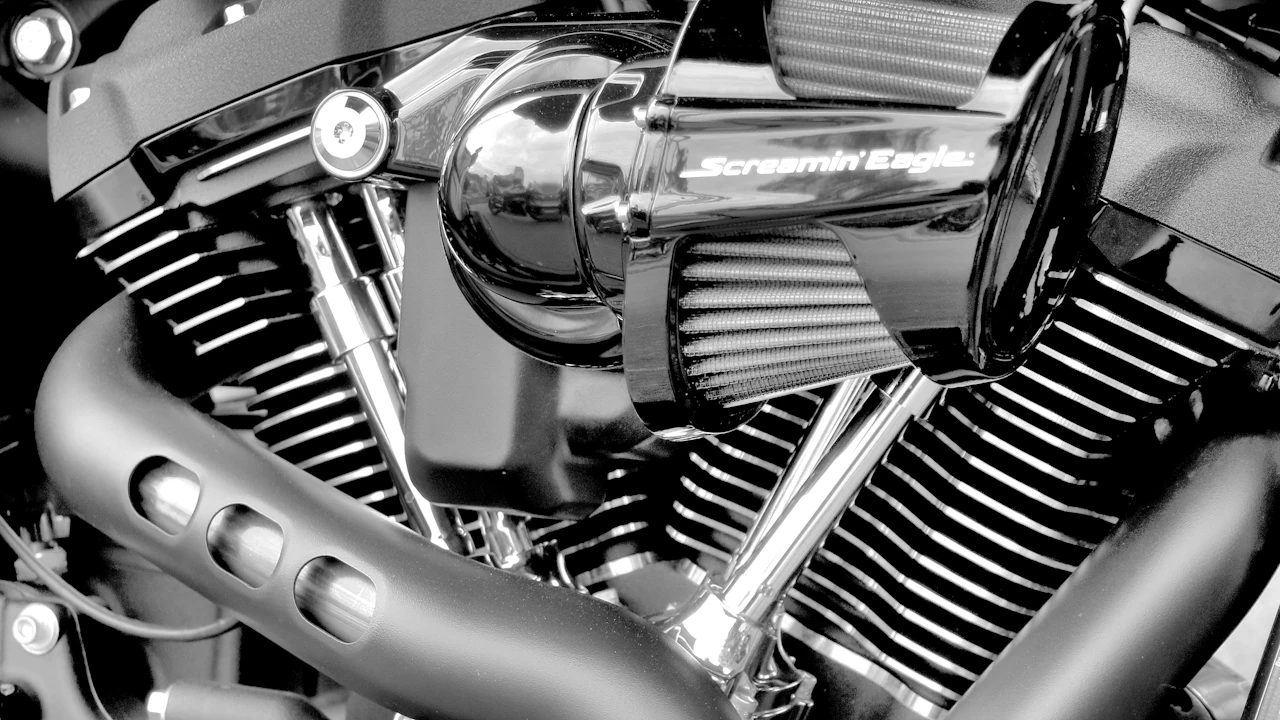
Reading a motorcycle’s seventeen characters
The standard is federal and shared with cars: same seventeen positions, same check digit, same year code in position ten, same plant character at eleven. What differs is the content scheme inside positions four through eight, which for motorcycles carries family, engine and displacement-class information on a bike-specific pattern.
Practical consequences. First, use a decoder rather than car-derived folklore: the position-by-position claims that circulate on four-wheeled forums simply mis-read a bike. Second, the check digit at position nine is your friend on hand-typed listings — motorcycle numbers get transcribed from under fork covers and off steering necks, badly, and a number failing its check digit is a typo or worse before you spend another minute. Our validator page covers running that check.
Third, the year letter matters differently here. Motorcycles trade on model years harder than cars — anniversary editions, first and last years of an engine family — and the tenth character against our year chart is the honest arbiter when an advert’s year and a title’s year disagree, which on bikes they do more often than anybody admits.
Frames, engines and the identity problem
The reason bike decoding deserves its own habits is mechanical: a motorcycle’s identity separates into parts more easily than a car’s. The frame carries the number; the engine carries its own; and on this marque specifically, engines are rebuilt, swapped and transplanted as routine culture, legitimately, for decades.
Legitimate culture creates cover for illegitimate work. A stolen bike’s engine in a clean frame, a written-off frame renumbered, a title from a parts bike floated onto assembled metal — the small size of the components and the enthusiasm of the parts market make all of it easier than the car equivalent. This is why the physical check on a used Harley is not paranoia but the local custom done properly: the frame number read directly off the steering neck, not the title; the engine number read and noted; and the two identities considered separately, because they are separate.
Engine swaps also complicate the recall picture in a way unique to rebuilt culture: a campaign keyed to the frame identity may concern components long since replaced, and one keyed to engine hardware may apply to metal the frame never originally carried. The lookup answers for the filed identity; the inspection answers for the machine as it stands; on a rebuilt bike you need both answers, not either.
Where the frame number and the paperwork disagree, stop entirely. Our guide to stolen-vehicle checks applies with the weights turned up, and the free theft flag is the first query on any bike whose price seems generous.
The records are thinner, and that changes the order
The retrieval systems this site leans on exist for motorcycles — and they run thinner. Fewer states inspect bikes regularly, so odometer readings enter the record at fewer points. Insurance practice differs: more bikes ride uninsured or minimally insured, so total-loss events reach the pooled record less reliably. Service history lives in owners’ garages more than dealer systems.
The consequence is not that checks are pointless; it is that each surviving check carries more weight. The federal recall lookup remains free, per-vehicle and authoritative. The pooled title history still catches brands, theft records and the title chain — a full report on the frame number is cheap relative to any Harley worth arguing about, and the title-chain reading matters more here precisely because the other paper is scarcer. And the physical inspection rises to the top of the stack: on a machine whose record is structurally thin, the metal is the majority of the evidence. Our general motorcycle lookup page carries the cross-marque version of this argument; this page’s job is the Harley-specific weighting.
Three hundred and sixty-nine lines, and what to do about it
The model count is not just a big number; it shapes the buying conversation. Harley’s lines are fine-grained — families splitting into variants, variants into yearly editions — and the market prices those distinctions seriously. Two bikes a casual eye reads as identical can sit a variant apart and a meaningful sum apart.
The decode is the referee. The middle block plus the year letter identifies the line as filed, which anchors the pricing conversation to the machine rather than to the chrome. On this marque especially, where accessories migrate freely and a base bike can wear a premium variant’s costume by Saturday afternoon, the filed identity is the one fact the dress-up cannot touch.
It also protects sellers of the genuine article: a real limited-line bike, decoded and stated as such in the advert, separates itself from the costumed fleet in one verifiable line — the same dynamic our Audi page documents for performance codes, playing out in a market with even more costume culture.
Where the risky bikes enter the market
Two supply channels feed most of this marque’s problem inventory, and both are visible in the records if you look for their signatures.
Storm work. Motorcycles drown easily — low, electrically dense, stored outdoors — and hurricane seasons push waves of water-damaged bikes into salvage auctions, where their small size and easy transport move them across state lines faster than cars ever travel. The record signature is the one our flood material documents everywhere: a total-loss or salvage event in one state, followed by a title issued somewhere with softer rules. On a bike the physical tells are also more accessible than on a car — connectors, frame recesses and fastener corrosion sit in the open — which makes the paired check, record plus metal, unusually decisive here.
Theft recovery. Bikes are stolen at rates cars are not, recovered incompletely, and settled fast; the resulting theft-recovery titles are legitimate merchandise with a history that needs pricing. The flag and the title chain surface them, and the only wrong way to buy one is unknowingly.
Season the two channels with geography and the screen sharpens further: coastal-state salvage feeding inland resale is the flood signature; urban-theft states feeding rural buyers is the recovery one. The title chain shows both journeys.
Neither channel is a reason to avoid the marque used. Both are reasons the ninety-minute record sequence earns its keep before any test ride.
The Brazilian codes, briefly and plainly
Same treatment the Chinese registrant gets on our Volvo page, because the principle is identical. The register records a Brazilian operation assigning numbers; a bike carrying that code says so in its opening characters; and the register offers geography, not judgment. Campaign scoping and market-specification differences are the real uses. Ranking plants is forum sport, not evidence, and the used market’s actual instruments — records and inspection on the specific machine — are open to anyone.
Titles behave differently on two wheels
One more structural difference worth its own section, because it changes what a clean report means.
Motorcycles move through the informal economy at rates cars left behind decades ago. Project bikes sell as frames-plus-boxes; barn finds surface after twenty unregistered years; bikes pass between friends on handshakes and catch up on paperwork later, if ever. Several states make this worse by exempting older or smaller machines from ordinary titling entirely.
So the title chain on a used Harley is often legitimately gappy in ways that would be alarming on a car — and the buyer’s job shifts from expecting an unbroken chain to judging whether this particular gap has an honest shape. A five-year hole matching a rebuild story, with dated receipts in the box, reads fine. A hole that ends the month before the sale, in a paperwork-friendly state, on a bike with a fresh title and no history, reads like our title-jumping and washing material come to two-wheeled life.
The instruments for judging are the ones this page already ordered: the chain as recorded, the theft flag, the frame read directly, and a seller whose account matches all three. Gaps are normal in this market. Gaps plus reluctance are not.
The sequence on a used Harley
Adapted from the site’s standard order, with the bike weights applied.
Read the frame number off the steering neck yourself and validate it — check digit first, then decode. Confirm line, year and engine family against the advert. Note the engine number separately.
Run the free theft flag and the recall lookup before travelling; both are per-vehicle and either can end it from your kitchen.
Buy the title history once and read the chain: brands, theft events, and every state the bike has touched. A short chain with long ownerships reads well everywhere; a bike that has crossed five states in three years is asking a question the seller should be able to answer.
Then the physical inspection, which on this marque means someone who knows the families: where each generation leaks, what a straightened frame does at speed, and how to tell forty thousand honest miles from twenty thousand hard ones — distinctions no document has ever captured.
Editions, and the year-letter economy
No marque monetises model years harder. Anniversary editions, colour-and-badge packages, first and final years of engine families — the market attaches real premiums to distinctions that live entirely in the year letter and the filed line.
Storage patterns amplify the year-letter economy: bikes hibernate, and a machine sold new two seasons after its filed year is common enough that first-registration dates mislead constantly. The letter never hibernates.
Which makes the tenth character a financial instrument here. An edition claim is a claim about a specific filed year; the letter either supports it or it does not, and no amount of commemorative paint outvotes it. Buyers should verify the letter before pricing any edition premium, and sellers of the genuine article should quote it — it is the cheapest authentication in the whole transaction.
The trap inside the economy is the title-year drift this page flagged earlier. Bikes registered late, titled across a state line, or first sold as leftover stock routinely carry title years that disagree with the filed model year. The letter is the regulatory fact; everything else is registration history. On an edition bike, that one-character difference can be the whole premium.
Numbers on parts, and what they are worth
Harley culture stamps and casts identifiers into more components than car culture ever did, and a whole folk-expertise exists around reading them. Useful, with one discipline: only the frame number at the steering neck is the vehicle’s legal identity. Casting dates and component codes can corroborate a story — an engine consistent with its claimed year, tinware from the right era — and corroboration is genuinely worth having on a marque this rebuilt. But a bike is not “matching” because its parts agree with each other; it is matching when the components agree with the frame’s filed identity, and the decode of that frame number is the root of the whole tree.
Where component reading turns serious — collector-grade machines, five-figure originality premiums — the job passes from checklists to marque historians, and this site’s honest contribution is knowing where its tools stop.
Selling one
Photograph the steering-neck number clearly — buyers who know bikes will ask, and pre-empting them marks you as one of them. State the decoded line and year rather than the costume. Note the engine number and its story honestly: a documented rebuild or a period-correct swap is ordinary on this marque, and disclosed beats discovered by a margin measured in whole negotiations. Pull the title history yourself and lead with a clean chain; on a machine whose paper record is thin, the seller who supplies what paper exists owns the conversation.
What insurers see, and why quotes swing
A brief practical coda, because bike buyers meet it within a day of purchase. Insurers rate motorcycles off the decoded identity — family, displacement class, year — plus the theft experience attached to the line, and this marque’s lines span the full width of both axes. Two bikes a lay eye reads as similar cruisers can quote apart by multiples because their filed identities sit in different rating cells.
The buying consequence: quote insurance against the actual number before agreeing a price, not after. The decode you ran at the kerb is the same identity the insurer will rate, and a five-minute call converts it into the largest ownership cost most buyers forgot to include. Sellers of lines that rate kindly have a legitimate selling point sitting unused; sellers of lines that rate brutally should expect the question and price with it in mind.
Common questions
Where is the VIN on a Harley-Davidson?
On the frame, at the steering neck, with a matching label on many years; the engine carries its own separate number. Read the frame number directly, not from the title, and treat any grinding, restamping or overpainting at the neck as a finding in itself.
Do Harley VINs follow the same standard as cars?
Same federal seventeen-character standard, same year code and check digit; different content scheme in the middle positions. Use a decoder rather than car-forum position lore.
What does the engine number tell me?
It identifies the engine as a component, separately from the frame’s identity. Matching-numbers originality matters to collectors; a documented swap is ordinary. An engine number nobody can explain on a bike priced as original is a walk-away.
Can I check a Harley for theft for free?
Yes — the insurance-bureau theft flag is free and covers motorcycles, and it is the first query on any bike. A clear result is weaker than a clean title history, so it starts the checking rather than ending it.
Why does so little history come back on my bike?
Motorcycle records are structurally thinner: fewer inspection events, patchier insurance participation, more owner-garage servicing. A thin report on a bike is normal and proves little either way — which is exactly why the physical inspection carries more of the weight.
Does the VIN show which Harley model I have?
The middle block identifies the filed line and engine family, and with three hundred and sixty-nine lines on the register that filing is the anchor against costume upgrades. Fine trim and accessory questions belong to the parts record, not the number.
What about bikes built in Brazil?
The Brazilian operation files its own code, so those bikes disclose themselves in the first characters. Use it for scoping specifications and campaigns; the register carries no quality verdicts.
Do trikes and off-road machines decode the same way?
The register’s off-road entity files separately, and factory three-wheelers file under the motor company’s ordinary codes with their own middle-block identities. Both decode; both follow the same discipline — frame number read directly, identity resolved against the filing, records retrieved against the number rather than assumed from the shape.
Is an old Harley’s short VIN a problem?
Pre-standard machines carry pre-standard numbers, and everything about decoding them belongs to the classic world — our guide to pre-standardisation numbers covers that territory, and its cautions apply doubled to bikes.
Sources and further reading
Recall, complaint and safety-rating figures on this page were retrieved from the federal databases above on August 19, 2026. Federal data changes — re-check any VIN before you rely on it.
Published September 1, 2026 · last updated September 1, 2026. Found something out of date or wrong? Tell us and we will correct it.