Volvo VIN Decoder: Two Companies Behind One Word
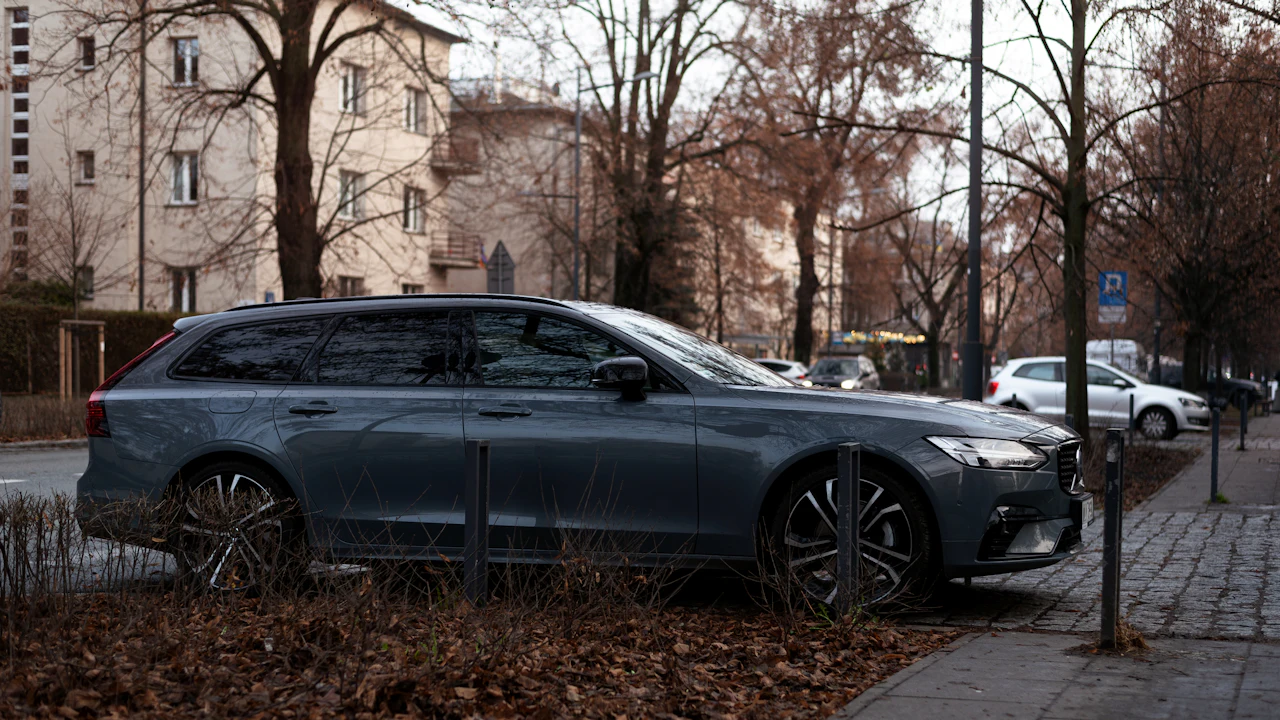
A wagon and an eighteen-wheeler share a word on the grille and nothing else — and the register has kept them apart the whole time.
The short version
- Two separate businesses share the Volvo name, and the federal build-code registry files them separately: car-company registrants on one side, a truck-bus-and-industrial group on the other.
- The register runs to forty-one codes across seven countries — Sweden, the United States, Belgium, China, Mexico, Canada and Brazil — spanning six vehicle classes from passenger cars to trailers.
- The first three characters of any Volvo number tell you within seconds which of the two businesses built it. A wagon and an eighteen-wheeler share a word on the grille and nothing else.
- The car side’s register includes a Chinese registrant and a large American one — the badge’s Swedishness is a channel story, and the number tells the build story.
- One hundred and two model lines run through this register, the widest spread on this site, precisely because it covers two industries.
- The decode is the build. History is retrieved against the number, from the recall archive and the pooled title record, never from the number itself.
Every other make page on this site describes one company’s register. This page describes a name that two companies share — and the registry, which never files by badge, keeps their codes as separate as their businesses actually are.
That split is not trivia. It decides which records exist for a vehicle, which recall system administers it, what an inspection should cost, and whether the search you are running is even pointed at the right industry. So this page starts where the registry starts: with the registrants.
Two businesses, one word
Read the registrant names straight off the register and they sort themselves. On one side: Volvo Car Corporation, Volvo Car USA, and a Chinese car-manufacturing registrant. On the other: Volvo Group North America, Volvo White Truck Corporation, Volvo Europa Truck, the Brazilian and Mexican group operations, and a list of group entities filing for trucks, buses, incomplete vehicles and trailers.
The split is not academic bookkeeping. The two sides answer to different regulators for different rules, recall through different systems, and depreciate on different curves. A search that lands on the wrong side of the name returns confident answers about the wrong industry — which is why this page refuses to continue until the registrant question is settled.
Cars on one side; heavy industry on the other. The two file different codes, in different vehicle classes, from different countries, because they are different companies that happen to share a heritage and a word. The register does not editorialise about the corporate history — it does not need to. The filing pattern is the fact.
For anybody decoding a number, the consequence is immediate: the first three characters resolve to a registrant, and the registrant’s side of the register tells you which industry you are standing in. Nothing else on this page applies until that question is answered.
Which side is your number on?
The class field settles it fastest. A decode returning Passenger Car or MPV puts you on the car side; Truck, Bus, Incomplete Vehicle or Trailer puts you on the group side. The registrant name in the same result confirms it.
Why does a used-car site care about the truck side at all? Because the two populations blur exactly where buyers get hurt. The group side’s register includes incomplete vehicles — chassis shipped for upfitting — and light-end commercial machinery that surfaces in the used market wearing consumer-adjacent bodywork: box conversions, RV platforms, yard tractors sold into small businesses. A number that decodes as an incomplete vehicle is telling you the biography starts with a second manufacturer, the upfitter, whose work the registry never sees. Our page on weight ratings by VIN covers the class boundaries that decide licensing and insurance on exactly these machines.
The car side’s own geography
Stay on the car side and the register still refuses to match the marketing. Alongside the Swedish codes sit an American registrant with a large filing, and a Chinese car-manufacturing registrant — the register’s way of recording that the badge’s sedans, wagons and crossovers have been built on three continents.
The first character resolves it per car: Sweden’s prefix, a United States prefix, or China’s. As everywhere on this site, the character ranks nothing — it scopes things. Campaigns, bulletins and specification packages are frequently plant-scoped, and the buyer who knows which population a car belongs to reads every subsequent record correctly. The buyer who assumes Swedish assembly because the brochure was full of fjords does not.
The register also quietly explains a customs oddity owners meet at borders and titling counters: paperwork for the same badge that names different manufacturing companies entirely, depending on the vehicle’s side and era. Clerks occasionally read the mismatch as an error. It is the opposite — the filings being more precise than the badge — and a printout of the decode usually settles the counter conversation faster than any explanation.
The claim to retire permanently: “all Volvos are built in Sweden.” The register has said otherwise for years, in public, one query away.
A hundred and two model lines
The register credits the name with one hundred and two model lines — the widest count on this site, and the width is the two-industries fact restated. No single showroom ever sold a hundred and two Volvos; the number spans wagons, semi tractors, transit buses, incomplete chassis and trailer platforms.
Two practical readings. First, model-count comparisons between makes — a genre of forum argument — are meaningless without knowing what industries a register spans; this name is the cautionary example. Second, on the car side specifically, the working model list is compact and long-generational, which pushes the pricing weight onto the year code: two visually similar wagons can sit a platform apart, and the tenth character against our year chart is the honest separator before any price is discussed.
Reading a car-side number, weight in the right places
First three characters: registrant and country, which on this name also means industry. Middle block, four through eight: line, body, engine family, restraints — the descriptive core. Tenth: year code. Eleventh: plant letter, doing its usual fine work inside multi-plant registrants.
The marque-specific emphasis is the middle block’s restraint content. This badge built its modern reputation on safety engineering, and its restraint-system filings are correspondingly detailed; a decode is the fastest way to confirm a specific car actually carries the systems an advert brags about, model years being the moving target they are. Safety-package claims are exactly the kind of assertion that should be read off the filing rather than the sales copy.
What the number never says
The standard boundary, drawn once more because every make page draws it: no owners, no accidents, no brands, no odometer readings, no service history in the decode. Filed records, retrieved against the number.
Cost order governs, as always. The federal freebies open: recall status, the stolen flag, the write-off flag. The paid layer is a single purchase — the pooled state record against the number — and it returns titles in sequence, brands, and every recorded mileage point. On this marque the odometer line earns special attention for a happy reason: the cars are famous for surviving enormous mileages, which means the used pool genuinely contains three-hundred-thousand-mile examples — and a fleet with legendary longevity is also the perfect place to hide a rolled-back odometer, because the story is always plausible. The sequence in the record, not the plausibility of the story, is the check. Our guide to reading a mileage history covers it.
The incomplete-vehicle trap, in detail
Because this register actually contains incomplete-vehicle codes, the trap deserves its full shape.
An incomplete vehicle leaves the first manufacturer as a chassis-cab or stripped platform and is finished by an upfitter into whatever it became — a camper, a box truck, a shuttle. The number decodes to the first stage. Everything about the second stage — the conversion’s weight, its build quality, its compliance — lives in the upfitter’s paperwork and the final-stage label, not in the registry.
Buying one, therefore, is buying two manufacturers’ work with one number, and the checks double: decode plus recall plus title history for the chassis, and the final-stage label, upfitter documentation and a competent physical inspection for the body. The number of used motorhomes and conversions sold on the strength of a clean chassis decode, with nobody asking who built the other half, keeps this section on the page.
The Chinese registrant, read plainly
The entry that generates the most email on pages like this one deserves plain handling. The car side’s register includes a car-manufacturing registrant in China, filing its own codes for vehicles assigned numbers there. Some of the marque’s sedans sold in the United States have carried those codes; the first character discloses it on any specific car in one glance.
Three things this site will and will not do with that fact. It will state it, because the register does and hiding it would be editorial cowardice. It will scope with it, because campaigns and specifications track plants and knowing your population matters. It will not rank with it, because the registry contains no quality data and the used market’s actual evidence — records and inspections on specific cars — is available to anybody who prefers evidence to assumption.
A buyer who cares where a specific car was assigned its number can check in a second and price accordingly; that is their prerogative and the market’s. What no buyer should accept is a seller’s assurance in either direction, when the character is right there on the windscreen.
The sequence on a used example
Car side, standard order, marque emphases applied. Decode from the windscreen at the viewing; confirm side-of-register, registrant, year and middle-block content against the advert. Recall lookup, free, exact number. Title history once, read hardest at the odometer sequence for the reasons above. Then the inspection — and on high-mileage examples of this badge, an inspection aimed at the expensive wear items, because the marque’s longevity reputation is about engines and shells, not about every subsystem equally.
One sequencing note the split adds: run the class check before paying for anything. A report bought for a consumer car and delivered against a group-side machine answers questions nobody asked, and the refund conversation afterwards is nobody’s favourite. Thirty seconds of free decode first; money second.
Group side: this site is not a heavy-truck adviser and will not pretend to be. The decode and class field will tell you that you are on that side; from there the records, inspections and valuations belong to commercial-vehicle practice, and the one wrong move is pricing an eighteen-wheeler’s history with consumer-car tools.
Which records exist depends on the side
The split runs through the record systems too, and this is where getting the side wrong wastes money.
Car-side vehicles live in the systems this site documents everywhere: the federal recall archive, the theft and total-loss flags, the pooled state title record with its brand fields. Every check on this site applies as written.
Group-side machinery half-escapes them. Heavy commercial vehicles generate inspection and crash records in the federal motor-carrier system — a different database with a different purpose, covered in our provider teardown where it appears in a consumer report. Their titles exist, but their working lives are documented in operator files, inspection lanes and fleet-maintenance systems the consumer tools never touch. Buying used at the light end of that world — the retired shuttle, the municipal truck at auction — means accepting that the paper trail is differently shaped, and pricing the uncertainty rather than pretending a consumer report closed it.
The number tells you which regime you are in before you spend anything. That is the entire reason this page keeps returning to the first three characters.
Selling one
Quote all seventeen characters and photograph the windscreen plate; this marque’s buyers skew researcher. Close open recalls first — free, and the safety-brand badge makes an open campaign read doubly badly. On a high-mileage example, pull the title history yourself and lead with the odometer sequence: an unbroken recorded climb to three hundred thousand is not a liability on this badge, it is the sales pitch, and it is the one pitch a buyer can verify from their sofa.
The Belgian codes, and Europe’s quiet role
Two Belgian entries sit in the register — one on each side of the name. The car side’s European manufacturing history and the group side’s truck operation both file there, which makes Belgium the register’s quiet reminder that this name’s industrial map was never just Sweden-plus-everywhere-else.
For a buyer the Belgian codes work like every other geography on this page: scope, not score. An older European-built example’s campaigns and specification history resolve against its actual origin, and the first characters disclose it. The broader habit this register teaches better than any other on the site: read the registrant list before assuming anything about a badge’s geography, because seven countries and two industries were filing under this one word while the adverts showed a lake and some knitwear.
The estate-buyer’s specific homework
A closing note for the buyers who keep this marque’s used market unusual: the estate loyalists, who buy fifteen-year-old wagons on purpose and run them another decade.
That intent changes the homework’s weights. On a car you plan to keep ten years, the recall record’s completeness matters more than on a three-year flip — run the lookup, then ask a dealer to confirm every campaign shows completed against the number, because open work closes free now and awkwardly later. The odometer sequence matters more too: you are buying position on a two-hundred-thousand-mile curve, and where on the curve decides every maintenance dollar of your ownership. And the middle block’s engine-family content is your parts-availability forecast — long-lived families mean cheap decades; orphaned ones mean patience.
None of this is unique to the badge, but the badge concentrates the buyer who needs it. The number, the records and the inspection are the same three instruments as everywhere on this site; a keeper simply reads them on a longer horizon.
Pricing the safety halo honestly
The marque’s halo deserves one honest paragraph in a page about verification. Reputation attaches to the badge; engineering attaches to the filed identity. A two-decade-old example carries the restraint systems and structures of its own filing year — verifiable in the middle block — not the showroom’s current safety story, and the gap between those two things is where the halo overprices old metal. The number lets a buyer pay for the safety content a specific car actually carries. That is not cynicism about the badge; it is the badge’s own method — engineering over impression — applied to buying one.
Reading the number twice
Standard closing discipline, tuned to this register’s split personality. Read the number once at the kerb for identity — side of register, registrant, year, class — and once at the desk against the records. The kerb reading decides which regime you are in and which tools apply; the desk reading decides whether this particular machine’s biography survives contact with its story. On most makes those two readings blur into one. On a name where the first three characters can mean a wagon or an eighteen-wheeler, keeping them separate is the entire method — and it costs nothing but the discipline of doing the cheap half first.
Common questions
Are Volvo cars and Volvo trucks the same company?
No. The register files car-company registrants and a truck-and-bus group separately, with different codes, because they are separate businesses sharing a name. The first three characters of any number tell you which one built the vehicle.
How do I know if my Volvo was built in Sweden?
First character: Sweden’s prefix opens Swedish-assigned numbers; American and Chinese prefixes open the others. The register’s car side spans three continents, whatever the brochures imply.
Is a Chinese-built Volvo different?
The register records registrant and place, not merit. Campaign scoping and occasional specification differences track plants; quality rankings do not come out of the registry, here or anywhere on this site.
What does “incomplete vehicle” mean on my decode?
The number belongs to a chassis finished by a second manufacturer — an upfitter — whose work the registry never records. Check the final-stage label and the upfitter’s documentation, and treat the vehicle as two builders’ work, because it is.
Does the decode show my Volvo’s safety equipment?
The restraint-system content is in the middle block, and on this marque it is unusually detailed. For package-level claims beyond restraints, the build record and window sticker take over — our window-sticker page covers that route.
Can a decode verify a high-mileage car’s odometer?
The decode cannot; the retrieved odometer sequence can. Title events, inspections and service records log readings over the car’s life, and an unbroken ascending sequence is the evidence — on a marque where big numbers are believable, insist on the sequence rather than the story.
Why does the model count look so huge?
Because the register spans two industries: a hundred and two lines includes buses, semi tractors, trailers and incomplete platforms alongside the cars. Model-count comparisons across makes mean nothing until you know what a register covers.
Do the two Volvos share recalls or parts?
No. Separate businesses run separate recall administrations, separate dealer networks and separate parts systems. A campaign on one side never reaches the other, which is one more practical reason the first three characters must be read before anything else on this page is trusted.
My VIN decodes to Volvo White Truck. What is that?
A group-side registrant from the heavy-truck lineage. It confirms you are holding a commercial vehicle’s number — price it, insure it and inspect it as one.
For sale near you
Dealer listings, checked liveFinding used Volvo cars near you…
Sources and further reading
- NHTSA VIN decoder
- NHTSA recall lookup
- NMVTIS (US Department of Justice)
- 49 CFR Part 567 — Certification
Recall, complaint and safety-rating figures on this page were retrieved from the federal databases above on August 19, 2026. Federal data changes — re-check any VIN before you rely on it.
Published September 1, 2026 · last updated September 1, 2026. Found something out of date or wrong? Tell us and we will correct it.