Most Reliable Used Cars Under $10,000: How to Actually Find One
Under $10,000 you buy a history, not a brochure. Failures cluster early, not at high mileage — so read the maintenance record, find the durable families, and inspect before you buy.

The short version
- Under $10,000 you are buying a car’s history far more than its model. At this price the individual example — how it was maintained, whether its record is clean — matters more than the badge on the back.
- High mileage is not the risk most buyers think. In the federal complaint record, 78.1% of reported failures happened below 100,000 miles, and about half (49.8%) below 60,000 — failures cluster early, not late.
- So a well-maintained higher-mileage car often beats a neglected low-mileage one. Read the maintenance history, not just the odometer.
- Look for the same durable families that age into this budget — common compacts and small SUVs with simple engines and cheap parts — then judge the specific car on its record.
- At this price a pre-purchase inspection is not optional. It is the cheapest insurance you can buy against the one expensive fault that turns a bargain into a loss.
The search for the “most reliable used cars under $10,000” usually turns up a ranked list of models. That list is the least useful part of the answer, because at this price you are not really buying a model — you are buying one particular older, higher-mileage car, and two examples of the same model can be a world apart. What actually protects you under $10,000 is knowing how to read a specific car’s record and condition, and knowing which durable families are worth looking for in the first place. This guide covers both, grounded in what the federal complaint data actually shows about when cars fail.
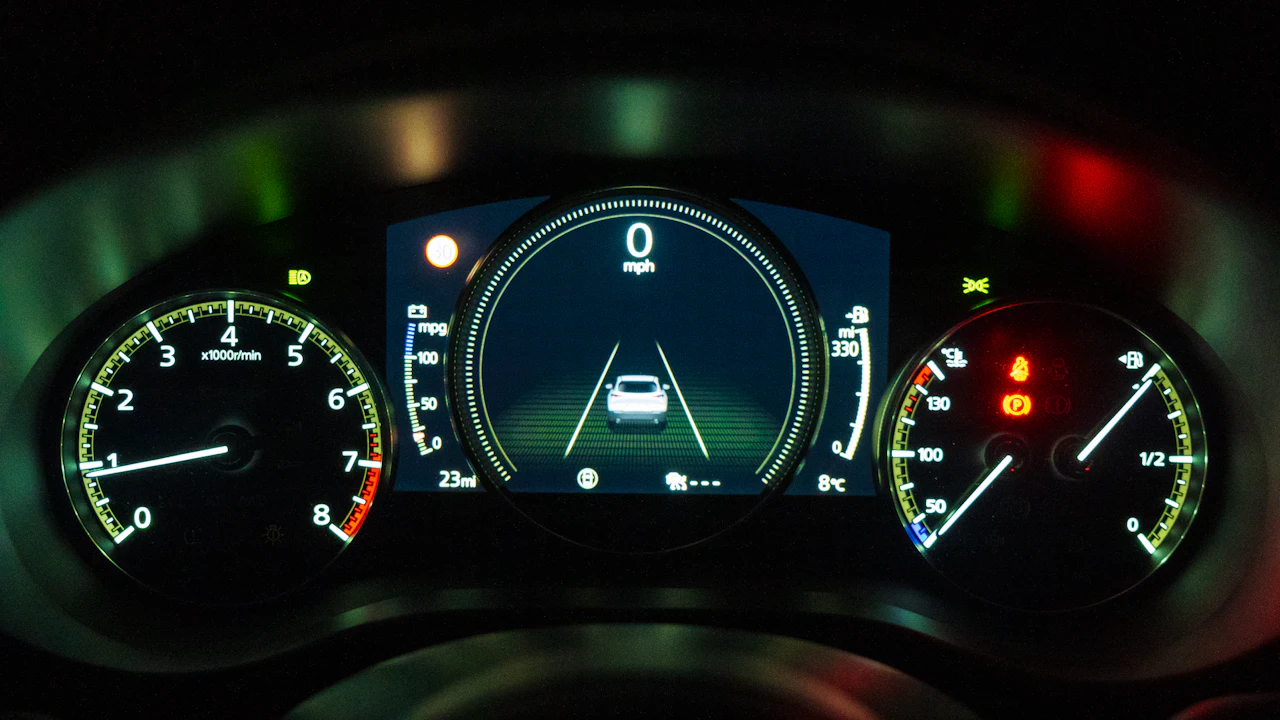
Under $10,000, you buy a history, not a brochure
Every car in this budget is old enough that its factory reputation has been overwritten by its own life. A model that left the showroom as a paragon of reliability can arrive at your driveway with a decade of skipped oil changes, a rebuilt front end, or a wound-back odometer. The brochure describes the model when new; the record describes the car as it is now. That is why a “most reliable” list, on its own, is close to useless at this price — it answers a question about the model when the thing determining your ownership is the individual example. The method from our main guide to the most reliable used cars applies here with the volume turned up: model narrows the field, the specific car’s record decides it.
The high-mileage myth
The single biggest mistake budget buyers make is treating the odometer as the reliability score. It isn’t. When you look at where failures actually happen in the federal complaint record, they cluster early, not late: 78.1% of reported failures occurred below 100,000 miles, and about half — 49.8% — below 60,000. Some of that reflects how long the data has watched these cars, but the direction is clear and useful: a car does not become a lottery ticket the moment it crosses 100,000 miles. What changes its odds is how it was treated. A one-owner car with a full service folder at 120,000 miles is very often a safer bet than a mysterious “low mileage” car with no records at 70,000, because the first one’s reliability is documented and the second one’s is a guess.
The practical takeaway: stop shortlisting by mileage alone. Read the maintenance history first, and treat a documented, cared-for higher-mileage car as a genuine candidate rather than skipping it for a cheaper, undocumented one.
Which reliable families reach this budget
The models that age into the sub-$10,000 market with their dependability intact are the unglamorous, common ones — the compacts and small SUVs built in huge numbers with simple engines and cheap, everywhere parts. Familiar Honda, Toyota, Subaru and mainstream compacts dominate this space for a reason: their mechanicals are mature, a mechanic on any corner knows them, and a failed part is a cheap shelf item rather than a special order. This guide deliberately does not hand you a ranked price list, because a specific car’s price at this level swings on condition, mileage and location, and a list that pretends otherwise is guessing. Look for the durable family; then let the individual car’s record and a mechanic decide, exactly as our segment guides to used SUVs and midsize sedans do year by year.
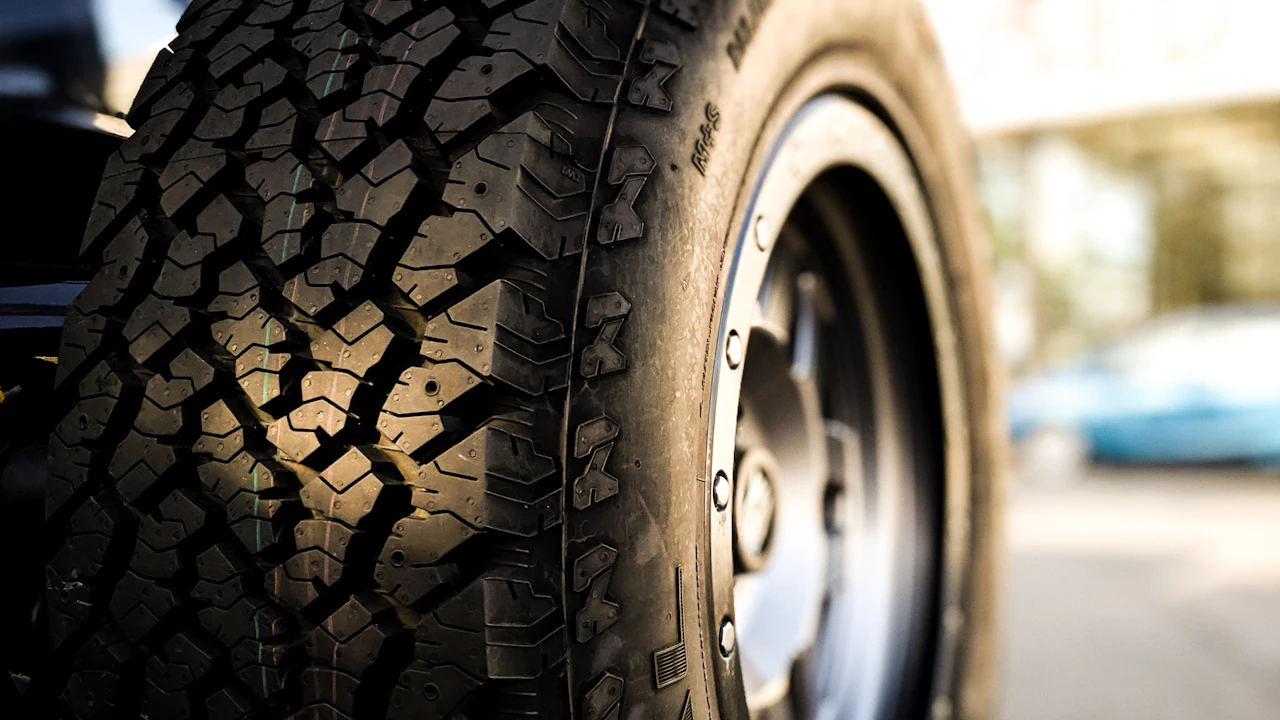
What to check hardest at this price
The cheaper the car, the more the checks matter, because there is less margin to absorb a surprise. Four things carry the most weight under $10,000.
- The maintenance record. Ask for it first and weight it heaviest. A documented history is the strongest reliability signal you can get on an old car.
- The odometer, verified. Rollback is more common at the bottom of the market. Check the reading against the title and the service records with our mileage check and odometer tool, and against the physical wear.
- The wear items. Tyres, brakes, belts and fluids come due on a schedule regardless of the model, and a seller of a cheap car has often deferred them. Price them into the deal.
- A pre-purchase inspection. Non-negotiable at this price. A professional inspection costs a small fraction of the car and catches the one expensive fault — a tired transmission, a rusted structure — that would erase the bargain.
The budget traps
Under $10,000, the most important question about a suspiciously cheap car is why it is cheap. Sometimes the answer is innocent — a quick sale, high but honest mileage, a dated interior. Often it is not. A price well below the rest of the market is frequently the visible edge of a hidden problem: a branded title from a salvage or flood history, a known-bad model year, or deferred maintenance the seller is passing to you. Our guides to used-car red flags and how many miles is too many cover the patterns; the rule at this price is simply that a bargain you cannot explain is a bargain you should assume you do not understand yet.
The checks that cost nothing
Before you spend on an inspection, the free federal record filters out the cars that are not worth inspecting. Look up the model and year in the complaint lookup to see what owners report failing, run the VIN through the recall lookup for open and “park it” recalls, and pull the car’s full history report for title brands, accidents and the odometer story. Only spend the inspection money on a car that clears those. If you are paying cash at this end of the market, that discipline matters even more, because there is no lender doing any checking for you.
The one rule under $10,000. Buy the best-documented car you can find, not the cheapest or the lowest-mileage one. A maintained, verifiable higher-mileage car from a durable family will cost you less over the next three years than an undocumented bargain — and the pre-purchase inspection is the cheapest money you will spend on the whole transaction.
Common questions
What are the most reliable used cars under $10,000?
At this price the durable choices are the common compacts and small SUVs with simple engines and cheap parts, from mainstream Japanese and domestic families. But the model is only half the answer — a specific car’s maintenance history and clean record matter more than its badge under $10,000. Look for the durable family, then verify the individual car and get it inspected.
Is high mileage bad on a cheap used car?
Less than most buyers assume. In the federal complaint record, 78.1% of reported failures happened below 100,000 miles and about half below 60,000 — failures cluster early, not at high mileage. A documented, well-maintained higher-mileage car is often a safer bet than an undocumented lower-mileage one. Read the service history rather than shortlisting by the odometer alone.
Why is a used car priced far below the others?
Assume there is a reason until you find it. A price well under the market often signals a branded (salvage or flood) title, a known-bad model year, or deferred maintenance the seller is handing to you. Occasionally it is a genuine quick sale — but confirm that with the history report and an inspection rather than hoping.
Do I still need an inspection on a cheap car?
Especially on a cheap car. A pre-purchase inspection costs a small fraction of a sub-$10,000 car and catches the one expensive fault — a failing transmission, hidden rust, a tired engine — that would wipe out the saving. It is the single best money you can spend at this price.
For sale near you
Dealer listings, checked liveFinding used cars near you…
Sources and further reading
Recall, complaint and safety-rating figures on this page were retrieved from the federal databases above on August 19, 2026. Federal data changes — re-check any VIN before you rely on it.
Published September 10, 2026 · last updated September 10, 2026. Found something out of date or wrong? Tell us and we will correct it.