Buying a Modified Used Car: What to Check Before You Buy

The short version
- Modified cars sell for a fraction of what was spent on them. The gap between the receipts and the asking price is the entire subject of this guide.
- A VIN decodes the car the factory built. It does not know about a single part fitted afterwards, so modifications are invisible to every VIN-based check.
- What a history check does show — title brands, previous owners, reported odometer readings, accident records — is what tells you how the car was used while it was modified.
- Undeclared modifications are the fastest way to have a claim denied. Get the insurance quote before you agree the price, not after.
- Removing or defeating emissions equipment is prohibited by federal law regardless of what the previous owner did, and the liability transfers with the car.
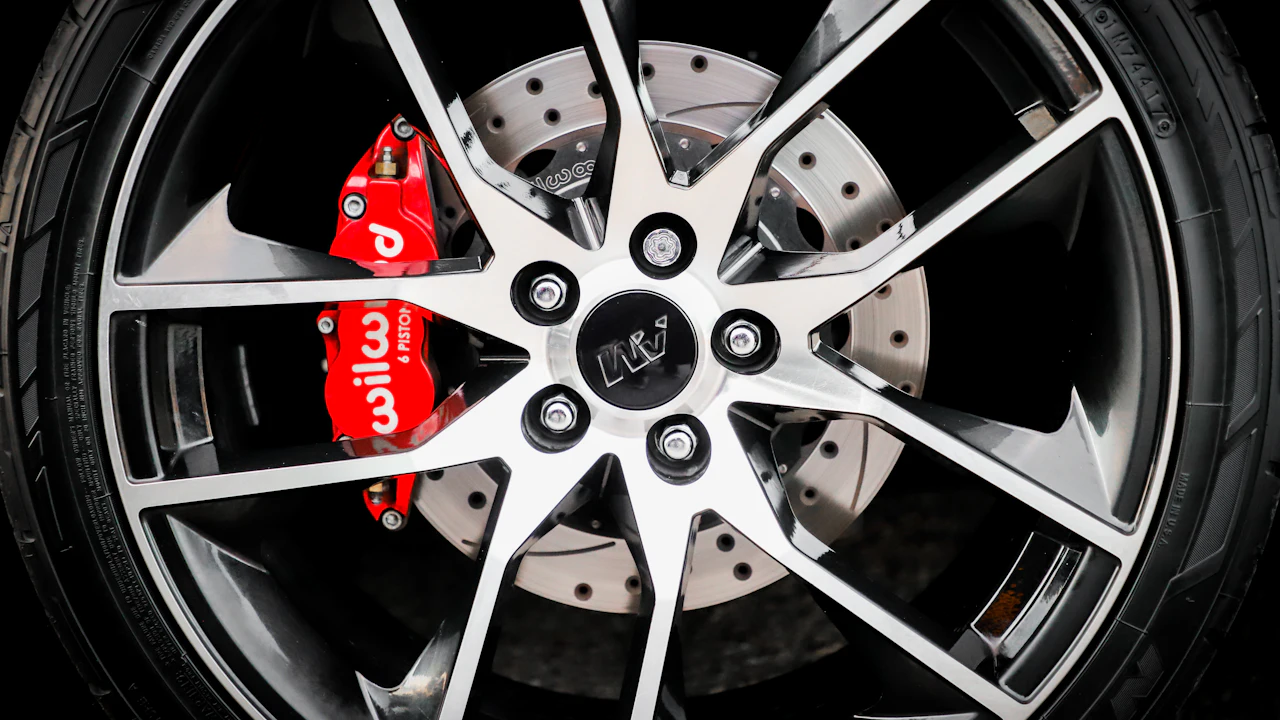
Somebody spent a great deal of money on this car. You can usually see it in the first photograph: the wheels are not the wheels it left the factory on, the ride height is wrong in the way that means it was chosen rather than worn out, and there is a receipt pile somewhere that runs to five figures. The asking price does not reflect any of it.
That gap is not a mistake, and it is not an opportunity in itself. The used market prices modified cars low because the buyer pool is small, because the work is unverifiable from a listing, and because a modification that was done badly costs more to undo than it cost to do. Sometimes the gap is a genuine bargain. Sometimes it is the market correctly pricing a car that has been driven hard and repaired cheaply.
Telling those apart comes down to two questions, and everything below is a way of answering them. Was the work done competently, and what did the car actually do during the years it was in that state?
What counts as a modification, and why the tier matters
“Modified” covers everything from a set of wheels to a different engine, and the distinction is not cosmetic. Each step up the ladder changes what your insurer will do, what a state inspection will accept, what a warranty covers, and what an appraiser will pay.
| Tier | Typical work | What it changes for you |
|---|---|---|
| Cosmetic | Wheels, tyres, wraps and paint, lighting, badges, interior trim | Usually declarable and usually cheap to insure. Reversible if the original parts came with the car. Watch for wheel and tyre sizes that were never offered on the model. |
| Bolt-on | Intake, exhaust, suspension, brakes, anti-roll bars, cooling | Insurers want to know. Some parts affect emissions equipment and inspection. Quality varies enormously between brands and, more importantly, between installers. |
| Engine management | Remapped or replaced ECU, forced induction added or uprated, injectors and fuelling | The car no longer behaves as certified. Emissions equipment is frequently the casualty. This is the tier where an unverified tune becomes an engine risk rather than an insurance question. |
| Structural and drivetrain | Engine swap, gearbox conversion, roll cage, chassis reinforcement, seam welding | Registration and inspection implications in most states, a specialist insurance market, and a car whose repair history can no longer be read from any database. |
Most cars on the market sit in the first two tiers, and most of those are fine. The reason to classify the car in front of you before anything else is that the checks worth doing are different at each level. A car with aftermarket wheels needs a tyre and alignment inspection. A car with a turbocharger fitted to an engine that never had one needs an engine builder to look at it.
What a vehicle history report shows — and what it never will
This is the part that surprises people, so it is worth stating plainly: no VIN check anywhere reports modifications.
A vehicle identification number encodes what the manufacturer built — model, body style, engine as fitted on the line, restraint system, plant of assembly. Run it through a decoder and you get the factory specification, which on a modified car is a description of a vehicle that no longer exists in that form. Nothing bolted on afterwards is recorded anywhere in the number, and no database is fed by the workshops that did the work.
What a history check does report is how the car was treated, and on a modified car that matters more than it does on a standard one:
- Title brands. Salvage, rebuilt, junk or flood branding on a modified car is worth pausing over. Cars are frequently modified, crashed, written off and rebuilt, and the rebuild is where corners get cut.
- Reported odometer readings over time. A car that covered very few miles across several years was probably being worked on rather than driven. That is not automatically bad, but it changes what “low mileage” means.
- Number of owners and how long each kept it. A modified car that has changed hands repeatedly in a short period is telling you something that the photographs are not.
- Reported accidents and total-loss records. The relevant question on a heavily modified car is not whether it was ever damaged but whether the repair was done to the same standard as the modifications.
Pull that record before you drive to see the car. A vehicle history report by VIN will show the ownership and title picture, and it costs a fraction of the trip. The full sequence — decode the VIN, check the title, verify the odometer, then inspect — is set out in our guide to checking a used car’s history before buying.
One thing that does survive modification: safety recalls. They are issued against the VIN, they remain open until somebody has the work done, and modified cars are disproportionately likely to have skipped them, because owners who do their own maintenance rarely visit a franchised dealer. The check is free and takes two minutes — our guide to checking a car for open recalls walks through it.
Insurance is where undeclared modifications become expensive
More modified-car purchases go wrong here than anywhere else, and the failure is almost always the same one.
A standard motor policy insures the car as the manufacturer built it. If you do not declare the modifications, two things follow. The parts are not covered, so a claim pays out the market value of an unmodified example and you absorb the difference. Worse, non-disclosure of a material fact gives the insurer grounds to reduce or refuse the claim entirely, and in some circumstances to void the policy from inception — which leaves you having driven uninsured without knowing it.
Do this before you agree a price
Get a written quote from an insurer with the full modification list in front of them, on the specific car, with your details. Some insurers decline modified vehicles outright, some load the premium heavily, and specialist brokers exist precisely because of this. A car you cannot insure affordably is not a cheap car, and finding that out after the money has moved is a bad afternoon.
Two further points are worth understanding before you make the call. First, ask whether the policy is written on an agreed-value or actual-cash-value basis. Actual cash value is what the market says a comparable car is worth, and the market does not credit aftermarket parts. Agreed value fixes a figure in advance and is usually the only way for parts spend to be covered at all, but it requires documentation — an inventory, receipts, and often photographs.
Second, ask the insurer what they consider a modification. The answer is frequently broader than owners expect and can include wheels, suspension height, exhaust systems, and anything that changes performance, security or the value of the vehicle. Declare everything and let them decide; the cost of over-declaring is nothing, and the cost of under-declaring is the claim.
Engine swaps, tuning and the paperwork that has to follow
The law that catches people out is federal, not local, and it applies to the current owner regardless of who did the work.
Under the Clean Air Act it is illegal to remove or render inoperative any emissions control device on a road vehicle, and illegal to manufacture, sell or install parts whose principal effect is to defeat those controls. The EPA has been enforcing this actively against tuners, parts sellers and installers. Catalytic converters, oxygen sensors, exhaust gas recirculation systems and evaporative emissions equipment are all covered, and so is software that disables them. The agency’s own tampering and defeat device policy sets out the position in detail.
The practical consequence for a buyer is simple. If a car has been decatted, if the tune has emissions functions switched off, or if the parts fitted are marked for competition use only, then bringing it back to a legal, inspectable condition is your problem the moment you own it, and the parts required are not cheap.
On top of the federal position sit the state rules, and these vary more than any other part of this subject:
- Safety and emissions inspection. Most states inspect annually or biennially, and what an inspector will accept differs by state. New York, for example, runs both a safety and an emissions inspection on registered vehicles — the specifics are covered in our New York buying guides.
- Emissions-standard states. A number of states follow California’s standards rather than the federal ones, and in those states aftermarket parts that affect emissions need a specific exemption order to be legal on a road car. A part that is legal in one state may not be in the next.
- Engine swaps. The VIN stays with the body, but swapping an engine can require documentation of the donor engine’s source, and in emissions-standard states the replacement generally has to be no older and no dirtier than the original. Some states require a referee inspection.
- Ride height, glass and lighting. Tint limits, headlight colour and beam pattern, and minimum or maximum ride height are all set at state level and all routinely fail cars at inspection.
Ask the seller for the inspection certificate and its date. A modified car that has been passing inspection recently, in your state, is a materially different proposition from one that has not been inspected in years.
What to inspect on a modified car
The single most useful judgement you can make is about the standard of the work rather than the choice of parts. Good parts fitted badly are worse than modest parts fitted well.
Wiring and plumbing. Look behind the dashboard and along the bay for added looms. Soldered and heat-shrunk joints in a sheathed loom mean somebody cared. Twisted wires under insulating tape, scotch locks and connectors hanging unsupported mean the rest of the car deserves the same suspicion. The same applies to fluid lines: proper fittings and secured routing versus hose clamps and cable ties.
Fasteners and welds. Rounded bolt heads, mismatched hardware and paint cracked around fixings tell you how many times a part has been off. On any car with welded reinforcement or a cage, look at the welds themselves — consistent, evenly spaced, fully penetrating, and not simply laid over painted metal.
Suspension and tyres. Check coilovers for oil weeping and seized adjusters, and check the tyres for uneven wear across the tread, which is the cheapest evidence of an alignment that was never corrected after the car was lowered. Look inside the wheel arches for contact marks between tyre and bodywork on compression.
Brakes against power. If the engine has been given significantly more output, ask what was done to the brakes and cooling. Frequently the answer is nothing.
The tune. Ask who mapped it, on what, and whether there are logs. A reputable tuner will have a record and the owner will know their name. “It came like this” on a boosted car is a reason to walk unless you are prepared to pay for a fresh map and a compression test.
Body and panel fit. Aftermarket bodywork rarely fits as well as factory panels, which makes accident repair easy to hide behind it. Check gaps for consistency, look for overspray in the door shuts and under the bonnet lip, and check that fixings for kit components go into something structural rather than through a panel.
Corrosion. Lowered cars, larger wheels and wider tyres all throw more road salt and water into places the factory did not intend, and cars that live at meets rather than on commutes are often stored damp. Our guide to protecting a car from rust covers where to look and what is structural.
The receipts. Ask for the pile. Not because the spend justifies the price — it does not — but because invoices name the workshops, and named workshops can be called. A modified car with a documented build by identifiable people is a knowable car. One without is a stranger’s judgement that you are buying on trust.
What modifications do to resale value
Assume they subtract, and be pleasantly surprised if they do not.
An appraiser values the car the manufacturer built, adjusted for condition, mileage and market. Aftermarket parts sit outside every valuation guide, and where they register at all it is usually as a risk factor rather than an addition — because a modified car may have been driven harder, and because the next buyer is a smaller pool. The same mechanism explains why even genuine factory options fade in the used market; we work through the appraiser’s side of that in our guide to how trim and options affect trade-in value.
Three practical conclusions follow. Cars sold with their original parts in boxes are worth more, because reversibility restores the mainstream buyer pool. Tasteful, well-documented, professionally executed work on a platform with an enthusiast following can hold value where the same money on an ordinary car cannot. And if you are buying to sell later, buy the car that has been modified rather than the one you have to modify, because the previous owner has already absorbed the depreciation on every part.
The buying checklist
In order, and most of it before you travel.
- Get the VIN and run the history check for title brands, owner count, reported odometer readings and accident records.
- Check for open recalls against the same VIN. Free, and frequently outstanding on cars like these.
- Ask for the full modification list in writing and get an insurance quote against it before you agree a price.
- Ask whether the original parts are included. If they are, the car is worth more to you and to whoever buys it next.
- Ask for the tuner’s name and the last inspection certificate. Both are single questions that separate documented cars from stories.
- Establish what emissions equipment is present. Look under the car. A missing catalytic converter is not a negotiating point; it is a cost you inherit.
- Inspect the workmanship, not the parts list — wiring, plumbing, fasteners, welds, panel gaps.
- Drive it cold. Insist on starting it from cold yourself. Warm-up behaviour is where fuelling and mechanical problems announce themselves, and a seller who has pre-warmed the car may have a reason.
- Pay a specialist for a pre-purchase inspection — ideally somebody who works on that platform and that kind of build. A general workshop will report on a car it does not recognise.
None of this means avoiding modified cars. Plenty of them are better sorted than the standard equivalents, precisely because somebody cared enough to spend money on them. It means buying the build and the record, not the parts list.
Frequently asked questions
Does a vehicle history report show modifications?
No. A VIN encodes the specification the manufacturer built, and no database records parts fitted afterwards, so modifications are invisible to every VIN-based check. What a history report does show is title branding, reported ownership changes, odometer readings at each transfer and recorded accidents — which on a modified car is the information that tells you how it was used. Modifications themselves have to be established by inspection and by the seller’s receipts.
Do I have to tell my insurer about modifications?
Yes, and the list of what counts is usually broader than owners expect — wheels, suspension, exhaust, engine management, and anything affecting performance, security or value. Undeclared modifications give an insurer grounds to reduce or refuse a claim, and in some cases to treat the policy as void. Declare everything, ask whether cover is on an agreed-value or actual-cash-value basis, and get the quote before you commit to the purchase.
Will a modified car pass a state inspection?
It depends entirely on the modification and the state. Safety and emissions inspection requirements are set at state level and differ substantially, and a car that passes in one state may fail in the next. Anything that removes or disables emissions equipment will fail an emissions test wherever one is required. Ask for the most recent inspection certificate and its date before you buy.
Is an engine swap legal?
Generally yes, subject to conditions that vary by state. The vehicle keeps its original VIN, but many states require documentation of the replacement engine’s origin, and states following California emissions standards typically require the replacement to be no older and no less clean than the engine it replaced, sometimes with a referee inspection. Separately, federal law prohibits removing or defeating emissions control equipment regardless of which engine is fitted.
Do modifications add value to a used car?
Rarely. Valuation guides price the car as the manufacturer built it, and aftermarket parts sit outside them — so a dealer appraisal will usually reflect the base car and may treat the modifications as a risk. The exceptions are professionally executed, well-documented builds on platforms with a real enthusiast following. If you want to protect resale value, keep the original parts and sell them with the car.
This site is not affiliated with Modified Street Cars, or with any vehicle manufacturer or parts maker named on this page.
For sale near you
Dealer listings, checked liveFinding used cars near you…
Sources and further reading
- NHTSA VIN decoder
- EPA vehicle and engine tampering policy
- NY DMV inspection requirements
- NHTSA recall lookup
- FTC used car buying guide
Recall, complaint and safety-rating figures on this page were retrieved from the federal databases above on August 19, 2026. Federal data changes — re-check any VIN before you rely on it.
Published August 20, 2026 · last updated August 20, 2026. Found something out of date or wrong? Tell us and we will correct it.