Questions to Ask When Buying a Used Car
The point isn't the answers — it's whether they survive a check. Ask things that leave a paper trail, write them down, then verify the trail against the record.

The short version
- The point of questioning a seller is not the answers — it is whether the answers survive a check. Ask things that leave a paper trail, then verify the trail.
- Write the answers down. A story is far easier to test against records when it is on paper in front of you, and a seller who knows you are noting it stays closer to the truth.
- Ask open questions, not yes/no ones: “why are you selling,” “what has been repaired,” “who serviced it.” The useful information is often in what gets skipped.
- The highest-value questions are the ones the record can confirm or contradict — title status, accident history, the odometer story, whether the seller is the owner.
- Different sellers need different questions: a private seller knows the car’s life, a dealer knows the paperwork. Aim each question where the answer actually lives.
- Every important answer maps to a free check on this site. Ask, note, then verify — the question opens the door and the record walks through it.
Buyers treat questions to a seller as a way to gather facts. They are better understood as a way to gather claims — statements you can then test against the record and the car. A dishonest seller answers smoothly; an honest one answers checkably. So the goal is not to collect reassurance but to collect specific, verifiable claims, write them down, and confirm them against the paperwork and the free federal checks. This guide is the question set, organised by where each answer lives and how to verify it.
How to ask, before what to ask
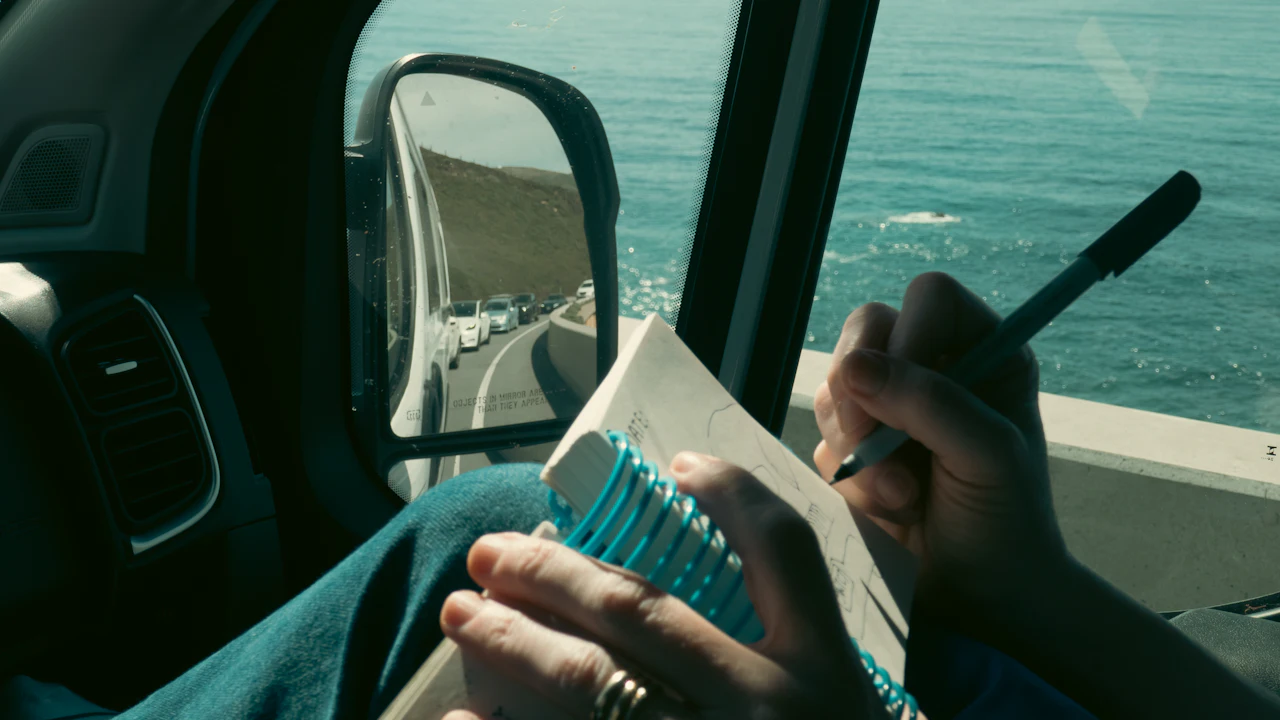
The technique matters as much as the list. Three habits turn questions into evidence. First, write the answers down — a notebook or your phone — because a claim on paper is one you can check later and one a seller is less likely to inflate. Second, ask open questions rather than yes/no ones: “tell me about the accident” reveals more than “has it been in an accident?” and the gaps in an open answer are themselves data. Third, listen for what is skipped — the service history that jumps two years, the repair mentioned without a receipt, the reason for selling that keeps changing.
Questions about ownership and the title
Start here, because the answers gate everything else. “Is the title in your name?” and “is there any money owed on the car?” are the two that most often end a deal — a seller who is not on the title is handing you someone else’s transaction, the move our guide to title jumping explains, and an undisclosed lien follows the car, not the seller. Verify both: the name on the title against the seller’s identification, and the lien status through our lien-check guide. Ask, too, how many owners the car has had — and check the answer against the record.
Questions about the car’s history
These are the questions the record can confirm or contradict, which is exactly what makes them worth asking.
- “Has it been in any accidents?” An open answer, then check what reached the record — our accident-check guide covers what does and does not show up.
- “Has the title ever been branded — salvage, flood, lemon?” Then verify against the national brand record via a title check by VIN. A seller’s “no” that the record contradicts is the end of the conversation.
- “Is the mileage original and correct?” Then run the odometer check and compare the reading to the wear and the records — rollback is real, as our mileage guide shows.
- “Are there any open recalls?” Free to verify yourself with the recall lookup — and open recalls are free to fix and a fair negotiating point.
The pattern is deliberate: every one of these is a claim you can immediately test. Pull the free federal checks and the full history report, and the seller’s answers become either confirmed or disqualifying.
Questions about maintenance and use
“Who serviced it, and do you have the records?” is the question that separates a cared-for car from a neglected one — and a documented service history is worth more than any verbal assurance, because it is checkable. Ask what major work has been done and for the receipts; ask how the car was used (commuting, towing, short trips); ask about the tyres’ age, which you can confirm yourself with our tyre-age decoder. A seller who produces a folder of dated invoices is answering with evidence; a seller who remembers everything but can show nothing is answering with a story.
Questions about the sale itself
“Why are you selling?” is the oldest question for a reason — not because the answer is always honest, but because an evasive or shifting answer is informative. Ask how long they have owned it (a very short ownership can signal a flipped problem car, or title jumping), whether the price is firm, and — for a private sale — how they want to handle payment and paperwork. A seller pushing for a deposit to “hold” the car sight-unseen, or cash-only with no bill of sale, is telling you something before you have inspected anything; our guides to the bill of sale and paying cash safely cover doing it properly.
Aim the questions where the answer lives
A private seller and a dealer know different things, so the questions differ. A private seller can tell you the car’s actual life — how they drove it, what broke, why they are selling — and our guide to buying from a private seller covers that conversation. A dealer usually cannot speak to the car’s life but can answer the paperwork questions that matter at a lot: “is it sold with a warranty or as-is?” (the answer is on the Buyers Guide in the window), “what fees are on the out-the-door price?”, and “can I take it to my own mechanic?” — a no to that last one is itself an answer. Our guide to buying from a dealer covers the rest.
The one answer that overrides all the others. If a seller refuses to let you take the car for a proper cold-start test drive or to a mechanic for a pre-purchase inspection, no reassuring answer to any other question matters. A seller confident in the car welcomes the checks; one who blocks them is answering the most important question without words.
Common questions
What questions should I ask when buying a used car?
Ask ones you can verify: is the title in your name, is money owed on it, has it been in accidents or branded, is the mileage correct, who serviced it and where are the records, and why are you selling. Write the answers down and check each against the record and the car — the value is in whether the answers survive verification.
How do I know if a used-car seller is being honest?
Not from how smoothly they answer — from whether their answers hold up. Ask open questions, note the answers, then verify against the free federal record, the history report and the car itself. An honest seller’s claims match the paperwork; a dishonest one’s do not, and the gap is the whole point of asking.
What questions should I ask a dealer versus a private seller?
Aim each question where the answer lives. A private seller knows the car’s life — how it was driven, what broke, why it’s for sale. A dealer knows the paperwork — whether it’s sold as-is or with a warranty, what fees are in the out-the-door price, and whether you may take it to your own mechanic. That last question’s answer matters most.
What is the most important question to ask?
“May I take it for a cold-start test drive and to my own mechanic for an inspection?” A seller confident in the car says yes; one who blocks either check has answered the real question without words, and no reassurance elsewhere outweighs that.
For sale near you
Dealer listings, checked liveFinding used cars near you…
Sources and further reading
Recall, complaint and safety-rating figures on this page were retrieved from the federal databases above on August 19, 2026. Federal data changes — re-check any VIN before you rely on it.
Published September 2, 2026 · last updated September 2, 2026. Found something out of date or wrong? Tell us and we will correct it.